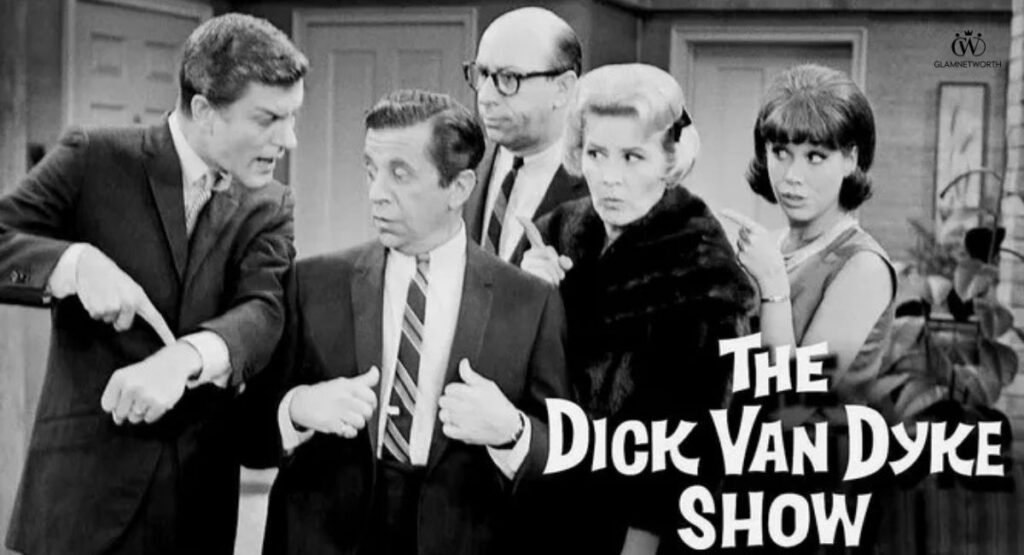


The Dick Van Dyke Show remains one of the most iconic sitcoms in American television history. Premiering in 1961, this show captured the essence of middle-class life while blending wit, humor, and heartfelt moments. Its clever writing, impeccable timing, and memorable characters made it an instant hit with audiences. Even decades later, the Dick Van Dyke Show continues to be celebrated for its innovation in storytelling, character development, and comedic timing.
Starring Dick Van Dyke as the lovable comedy writer Rob Petrie and Mary Tyler Moore as his charming wife Laura Petrie, the show offered a refreshing look at family life, work struggles, and romantic dynamics in the early 1960s. Unlike many sitcoms of its time, it combined physical comedy with intelligent dialogue, setting a new standard for television comedy. Its influence on later sitcoms is undeniable, and its cultural impact continues to be felt in both TV and popular culture.
With its witty scripts, unforgettable characters, and engaging plotlines, the Dick Van Dyke Show not only entertained audiences but also provided a window into the societal norms and family dynamics of its era. Its enduring popularity reflects its timeless humor and the universal appeal of relatable, well-drawn characters.
Origins and Creation of the Dick Van Dyke Show
The Dick Van Dyke Show was the brainchild of Carl Reiner, a legendary writer and comedian who sought to bring a fresh perspective to television comedy. Reiner wanted to create a show that went beyond slapstick humor and addressed the complexities of everyday life. Drawing inspiration from his own experiences as a writer and family man, he crafted characters that felt real, relatable, and multidimensional.
Originally conceived as a vehicle for Carl Reiner himself, the role of Rob Petrie ultimately went to Dick Van Dyke, whose comedic timing and physical humor perfectly embodied the character. Reiner’s vision was to blend the sharpness of witty dialogue with the charm of situational comedy, creating a show that was both clever and accessible. The inclusion of Mary Tyler Moore as Laura Petrie added depth to the show, portraying a modern, confident woman who was much more than a typical 1960s sitcom housewife.
The setting of the show—a comedy writer’s life at the fictional Alan Brady Show—allowed for a rich mix of workplace humor, family interactions, and cultural commentary. This unique blend helped the Dick Van Dyke Show stand out in a crowded television landscape, offering viewers a combination of laughter and insight that was rare for its time.
Characters That Made the Dick Van Dyke Show Legendary

One of the greatest strengths of the Dick Van Dyke Show lies in its memorable and relatable characters. Rob Petrie, played by Dick Van Dyke, is a charming, slightly bumbling comedy writer whose endearing clumsiness often lands him in hilarious situations. His physical comedy, paired with a sharp wit, made Rob a character audiences could root for and laugh with.
Laura Petrie, portrayed by Mary Tyler Moore, was groundbreaking for her time. She was elegant, witty, and intelligent—a far cry from the stereotypical sitcom housewife. Her relationship with Rob showcased a genuine partnership filled with love, humor, and occasional playful tension. Together, Rob and Laura represented a modern, aspirational American couple, and their chemistry became a defining feature of the Dick Van Dyke Show.
Supporting characters such as Buddy Sorrell, Mel Cooley, and the eccentric Alan Brady added layers of humor and personality. Each character brought a unique flavor to the show, creating memorable interactions and comedic situations. The ensemble cast’s chemistry made the Dick Van Dyke Show feel like a real, lived-in world, drawing viewers into the everyday lives of these unforgettable characters
Humor That Set the Dick Van Dyke Show Apart
The Dick Van Dyke Show masterfully blended physical comedy with clever dialogue, appealing to a wide audience. Rob Petrie’s clumsy antics, from tripping over furniture to misadventures in the office, were paired with witty repartees that showcased the intelligence behind the humor. This combination ensured that the comedy was both accessible and sophisticated, appealing to children, adults, and critics alike.
The show’s humor also stemmed from relatable situations—marital misunderstandings, workplace challenges, and social etiquette mishaps. Unlike some sitcoms of its era, which relied solely on predictable punchlines, the Dick Van Dyke Show infused its comedy with character-driven storytelling. This made the laughter feel earned and the jokes more memorable.
Physical comedy was not just about gags; it became a storytelling tool. Dick Van Dyke’s background in stage performance allowed him to use body language and expressive movements to enhance humor, making scenes more dynamic and visually engaging. This innovative approach influenced countless sitcoms and comedy shows that followed, cementing the Dick Van Dyke Show’s legacy in television history.
Cultural Impact of the Dick Van Dyke Show
The cultural impact of the Dick Van Dyke Show cannot be overstated. It redefined the sitcom genre by portraying a realistic yet entertaining view of American life. Its portrayal of a working husband, a modern wife, and their young son reflected the aspirations and challenges of many families during the 1960s.
The show also pushed boundaries in terms of gender roles and workplace dynamics. Laura Petrie’s character demonstrated that women could be intelligent, funny, and independent, paving the way for future strong female leads in television. The workplace humor at the Alan Brady Show highlighted the challenges of creative professions, offering a behind-the-scenes glimpse into the entertainment industry.
Even decades after its original airing, the Dick Van Dyke Show continues to influence television writers, comedians, and actors. It has been celebrated with numerous awards, including multiple Emmys, and frequently appears on lists of the greatest TV shows of all time. Its ability to balance humor, heart, and social commentary ensures that it remains relevant and enjoyable for modern audiences.
Why the Dick Van Dyke Show Still Matters Today
The Dick Van Dyke Show has stood the test of time because its themes are universal. Family dynamics, workplace challenges, and romantic relationships are experiences that remain relatable across generations. The show’s clever writing, timeless humor, and memorable performances ensure that it resonates with audiences even in the 21st century.
Modern sitcoms owe much to the Dick Van Dyke Show. Its blend of witty dialogue, physical comedy, and relatable characters laid the foundation for future classics like Cheers, Friends, and The Office. Additionally, its approach to portraying strong female characters continues to inspire writers and producers seeking to create balanced and authentic ensembles.
Streaming services and reruns have introduced the show to new generations, proving that its humor and charm are far from outdated. Audiences today can still enjoy the warmth, laughter, and clever storytelling that made the original broadcasts of the Dick Van Dyke Show so beloved.
Conclusion
The Dick Van Dyke Show is more than just a sitcom; it is a cultural landmark that redefined American television comedy. Its combination of clever writing, brilliant performances, and relatable characters created a timeless series that continues to entertain and inspire audiences. Dick Van Dyke, Mary Tyler Moore, and the entire ensemble cast brought to life a world filled with laughter, love, and everyday challenges, leaving an indelible mark on television history.
Decades later, the charm and wit of the Dick Van Dyke Show remain unmatched. Whether you are watching it for the first time or revisiting it as a nostalgic fan, the show offers a delightful and enduring experience that celebrates humor, heart, and the human experience.
FAQs
Did Rose Marie not like Mary Tyler Moore?
No, Rose Marie and Mary Tyler Moore got along professionally, though Rose Marie reportedly had a strong personality on set.
What actor turned 99 today?
This depends on today’s date; as of 2025, it’s best to check current sources for which actor recently turned 99.
Was the Alan Brady Show a real show?
No, the Alan Brady Show was fictional, created as the workplace setting for the Dick Van Dyke Show.
What show was Jerry Van Dyke in?
Jerry Van Dyke starred in shows like Coach and appeared in various sitcoms, including guest roles on The Dick Van Dyke Show.
Who created the Seinfeld show?
Seinfeld was created by Larry David and Jerry Seinfeld in 1989.
You May Also Read

wellcome to glamnetworth i am rimsha razzaq and AI-Powered SEO , and containt writer with four years of experince i help website rank higher, grow traffic, and look amazing . my goal is to make SEO and web design simple and effective for everyone . Lets achieve more together|