
Introduction
Fast food has become an essential part of modern life. Whether you’re grabbing a quick burger during a lunch break, ordering pizza for a family movie night, or picking up fried chicken on your way home, fast food offers convenience that fits today’s busy lifestyle. Over the past few decades, the industry has evolved dramatically, offering everything from traditional burgers and fries to healthier wraps, salads, plant-based meals, and international cuisines.
The popularity of fast food continues to grow because it saves time, is widely available, and often costs less than dining at a full-service restaurant. Major chains have expanded globally, while local fast food restaurants continue to introduce unique flavors that cater to regional tastes. Thanks to online delivery platforms and mobile apps, ordering a meal has never been easier.
However, fast food also sparks discussions about nutrition, health, sustainability, and consumer choices. Understanding both the advantages and disadvantages helps people enjoy fast food responsibly while maintaining a balanced lifestyle.
What Is Fast Food?
Fast food refers to meals that are prepared and served quickly. Unlike traditional restaurant meals that may take longer to cook, fast food focuses on speed, efficiency, and convenience. Most items are partially prepared in advance, allowing restaurants to serve customers within minutes.
The concept dates back many decades, but it gained worldwide popularity during the rise of major restaurant chains in the mid-20th century. Since then, fast food has expanded into nearly every country, adapting menus to local cultures while maintaining quick service.
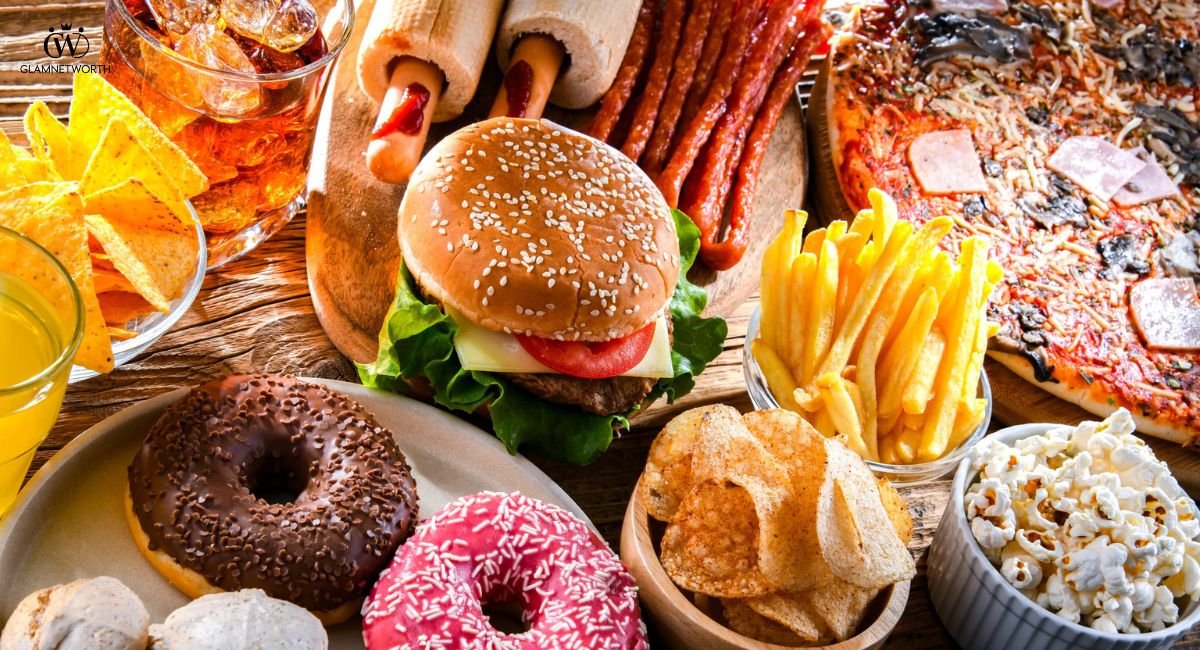
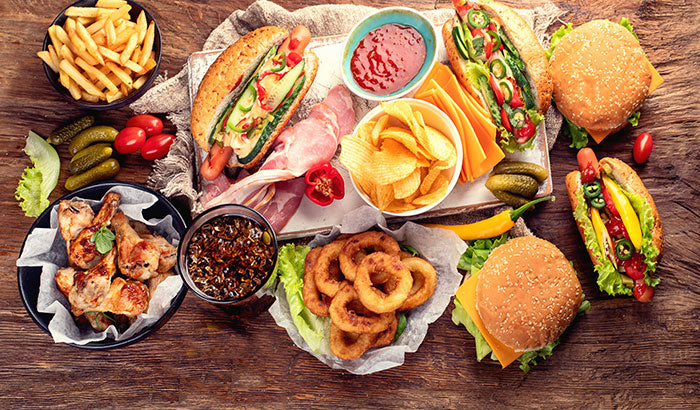
Today, fast food includes burgers, sandwiches, tacos, fried chicken, pizza, hot dogs, fries, noodles, wraps, salads, desserts, beverages, and even healthier meal options. The definition has broadened considerably, making fast food one of the largest sectors in the global food industry.
Why Fast Food Is So Popular
Convenience is the biggest reason people choose fast food. Busy work schedules, school activities, travel, and family responsibilities often leave little time for cooking. Fast food offers a quick solution without requiring meal preparation or cleanup.
Affordability also contributes to its popularity. Many restaurants offer value meals, combo deals, discounts, and loyalty rewards, making fast food accessible to a wide range of customers. Families often appreciate the ability to feed multiple people at a reasonable price.
Technology has further boosted fast food consumption. Mobile ordering, contactless payments, curbside pickup, and food delivery services have made ordering incredibly simple. Customers can customize meals, earn rewards, and receive food at their doorstep within minutes.
Popular Types of Fast Food
Burgers remain one of the world’s most recognized fast food items. Available in beef, chicken, fish, and plant-based varieties, burgers are served with fries and beverages as classic combo meals. Restaurants continue to introduce gourmet toppings and specialty sauces to keep menus exciting.
Pizza is another global favorite. From thin crust and deep dish to stuffed crust and wood-fired options, pizza satisfies individuals and families alike. Fast pizza delivery has become one of the industry’s biggest success stories.
Other popular categories include fried chicken, tacos, burritos, sandwiches, wraps, hot dogs, noodles, rice bowls, sushi, salads, and breakfast sandwiches. Many chains now include vegetarian, vegan, and gluten-free options to meet changing customer preferences.
The Advantages of Fast Food
One of the greatest benefits of fast food is convenience. People with demanding schedules can quickly enjoy a hot meal without spending time shopping, cooking, or cleaning. This makes fast food particularly appealing for students, professionals, and travelers.
Consistency is another advantage. Major restaurant chains maintain standardized recipes and quality control, allowing customers to enjoy similar flavors regardless of location. This reliability builds trust and customer loyalty.
Fast food restaurants also create millions of jobs worldwide. They provide employment opportunities for students, entry-level workers, restaurant managers, delivery drivers, suppliers, and farmers. The industry contributes significantly to local and global economies.
Health Concerns Associated with Fast Food
Although fast food offers convenience, frequent consumption can contribute to health concerns if not balanced with nutritious eating habits. Many traditional menu items contain high levels of calories, sodium, saturated fats, and added sugars.
Large portion sizes may encourage overeating. Regular consumption of oversized meals combined with limited physical activity may increase the risk of obesity, high blood pressure, heart disease, and type 2 diabetes over time.
Fortunately, many restaurants now provide nutritional information and healthier alternatives. Grilled proteins, fresh salads, fruit sides, low-calorie beverages, and customizable meals make it easier for consumers to enjoy fast food responsibly.
How to Make Healthier Fast Food Choices
Making smarter choices doesn’t mean giving up fast food entirely. Choosing grilled chicken instead of fried options can significantly reduce fat and calorie intake while still providing satisfying flavor.
Paying attention to portion sizes is equally important. Ordering smaller meals, skipping oversized fries, or sharing desserts can help reduce excess calories without sacrificing enjoyment.
Replacing sugary soft drinks with water, sparkling water, or unsweetened tea also supports healthier eating habits. Adding vegetables, selecting whole-grain options when available, and limiting creamy sauces further improve the nutritional value of fast food meals.
How Technology Has Changed the Fast Food Industry
Technology has completely transformed how people order and enjoy fast food. Mobile apps allow customers to browse menus, customize meals, earn rewards, and pay digitally before arriving at the restaurant.
Artificial intelligence is increasingly used to improve drive-thru ordering, inventory management, and customer recommendations. Some restaurants even use automated cooking equipment to improve consistency and efficiency.
Delivery services have become one of the industry’s biggest innovations. Customers can now order meals from their favorite restaurants without leaving home, making fast food more convenient than ever before.
The Future of Fast Food
Consumer preferences continue to shape the future of fast food. Health-conscious customers increasingly seek meals with fresh ingredients, fewer preservatives, and greater nutritional transparency.
Sustainability has become another major focus. Restaurants are reducing plastic waste, introducing recyclable packaging, sourcing ingredients responsibly, and exploring environmentally friendly business practices.
Plant-based alternatives are also expanding rapidly. Many restaurants now offer meat-free burgers, dairy-free products, and vegan menu items, allowing customers with different dietary preferences to enjoy fast food without compromise.
Tips for Enjoying Fast Food Responsibly
Fast food can absolutely fit into a balanced lifestyle when enjoyed in moderation. Rather than making it a daily habit, treating it as an occasional meal helps maintain healthier eating patterns.
Balancing fast food with fruits, vegetables, lean proteins, whole grains, and regular physical activity supports long-term wellness. Reading nutrition information and planning meals ahead of time also encourages smarter choices.
Parents can encourage children to build balanced meals by combining smaller portions with healthier sides. Likewise, adults can customize menu items to better align with their personal nutrition goals while still enjoying the convenience fast food provides.
Conclusion
Fast food remains one of the most influential parts of the global food industry. Its convenience, affordability, and wide variety make it an attractive option for millions of people every day. As consumer expectations evolve, restaurants continue to improve menus by offering healthier choices, sustainable practices, and innovative technology.
While excessive fast food consumption may contribute to health concerns, making informed decisions allows people to enjoy these meals without sacrificing overall wellness. Choosing balanced options, practicing portion control, and maintaining an active lifestyle are key to enjoying fast food responsibly.
Ultimately, fast food is about convenience and choice. With greater awareness of nutrition and smarter menu options than ever before, consumers can continue enjoying their favorite meals while supporting healthier long-term habits.
:max_bytes(150000):strip_icc()/GettyImages-2179715449-27206dcbe9ab4f4b8fdde178f591c64d.jpg)
FAQs
Fast food topic
Fast food is a type of meal that is prepared and served quickly. It is popular because it is convenient, affordable, and available in many varieties.
Fast food menu list
A typical fast food menu includes burgers, chicken sandwiches, fries, pizza, nuggets, wraps, salads, tacos, desserts, soft drinks, coffee, and milkshakes.
Fast food meaning and examples
Fast food means food that is prepared and served quickly, usually at restaurants or drive-thrus. Examples include hamburgers, pizza, fried chicken, French fries, tacos, and hot dogs.
Fast food pic
Fast food usually includes items like burgers, pizza, fries, fried chicken, sandwiches, tacos, and soft drinks. 🍔🍕🍟🥤
YOU MAY ALSO READ

wellcome to glamnetworth i am rimsha razzaq and AI-Powered SEO , and containt writer with four years of experince i help website rank higher, grow traffic, and look amazing . my goal is to make SEO and web design simple and effective for everyone . Lets achieve more together|
