
Few breeds command respect and warm hearts quite like the Newfoundland dog. Renowned worldwide for their massive size, sweet disposition, and legendary water-rescue instincts, these majestic animals earn their reputation as one of the ultimate “gentle giants” of the canine kingdom.
Whether you are considering adding a “Newfie” to your family or simply want to learn more about this remarkable breed, this comprehensive guide covers everything from their rich history and physical traits to their care requirements, temperament, and health considerations.
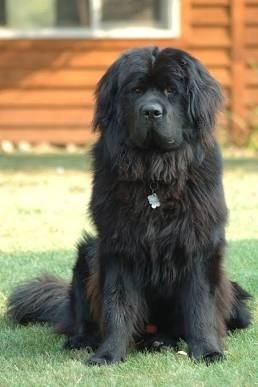
The Newfoundland Dog. Source: Wikipedia
At a Glance: Newfoundland Dog Snapshot
| Feature | Key Details |
| Breed Group | Working Dog (AKC) |
| Origin | Newfoundland, Canada |
| Male Size | 28 inches tall |
| Female Size | 26 inches tall |
| Coat Type | Heavy, water-resistant double coat |
| Colors | Black, Brown, Grey, and Landseer (Black & White) |
| Life Expectancy | 8 to 10 years |
| Temperament | Gentle, patient, loyal, sweet-natured |
1. History and Origin of the Newfoundland
The Newfoundland dog traces its origins to the rugged island of Newfoundland in eastern Canada. While the exact ancestors remain a topic of debate—with theories ranging from Viking bear hounds to indigenous Canadian dogs mixed with European working breeds—the breed was deliberately refined to endure harsh maritime climates.
A Working Maritime Partner
Unlike traditional guard dogs bred primarily for territorial defense, Newfoundlands were bred to be active working partners for Canadian fishermen. They hauled heavy fishing nets through icy waters, pulled carts loaded with wood and supplies, and served as life-saving companions aboard boats.
Legendary Water Rescues
Newfoundlands possess an innate rescue instinct. Countless historical accounts document these dogs leaping into stormy seas to save drowning sailors.
Famous Historical Newfies:
- Seaman: The black Newfoundland who accompanied Meriwether Lewis and William Clark on their famed 1804–1806 expedition across North America, serving as a hunter and guard dog.
- Boatswain: The beloved companion of the poet Lord Byron, who famously penned an inscription on Boatswain’s monument praising the dog as having “Beauty without Vanity, Strength without Insolence, Courage without Ferocity, and all the Virtues of Man without his Vices.”
2. Physical Characteristics and Adaptations
At first glance, a Newfoundland dog resembles a small bear more than a domestic pet. Their massive frame and heavy bone structure give them tremendous power, but their physical adaptations reveal a body built specifically for swimming and cold weather.
┌──────────────────────────────┐
│ Heavy Double Coat │
│ (Insulates against cold water)│
└──────────────┬───────────────┘
│
┌──────────────────────────────┼──────────────────────────────┐
│ │ │
▼ ▼ ▼
┌──────────────────┐ ┌──────────────────┐ ┌──────────────────┐
│ Webbed Paws │ │ Broad, Muscular │ │ Rudder-Like Tail │
│ Interdigital skin│ │ Frame │ │ Deep chest for │
│ for propulsion │ │ Power & leverage │ │ propulsion/steer │
└──────────────────┘ └──────────────────┘ └──────────────────┘
Key Biological Features
- Webbed Paws: Newfoundlands possess broad, fully webbed toes (interdigital skin), allowing them to propel themselves through water far more efficiently than standard dogs.
- Breaststroke Swimming Style: Most dogs use a traditional “doggy paddle.” The Newfoundland moves its legs in a down-and-out motion similar to a human breaststroke, giving them incredible power against oceanic currents.
- Waterproof Double Coat: A dense, soft undercoat provides insulation against freezing temperatures, while a flat, coarser outer coat repels water and mud.
- Drop Ears & Heavy Jowls: Their ears lay flat to keep water out of the ear canal, while their loose jowls allow them to breathe easily while carrying objects or people through water.
3. Temperament and Personality
Despite their imposing physical size, the Newfoundland standard established by the American Kennel Club explicitly states that sweetness of temperament is the single most important hallmark of the breed.
The Ultimate “Nanny Dog”
Newfoundlands are famous for their patience, gentle nature, and affinity for children. Author J.M. Barrie immortalized this quality by casting a Newfoundland named Nana as the nursemaid dog in Peter Pan. When properly socialized, they are remarkably tolerant, attentive, and protective without displaying inappropriate aggression.
Calm and Dependable
- Eager to Please: They respond exceptionally well to soft-spoken, positive reinforcement training.
- Low Barking Tendency: They are not prone to nuisance barking, though their deep bark will quickly alert you to strangers.
- Social Nature: They generally get along wonderfully with other dogs, cats, and household pets.
4. Care, Exercise, and Living Environment
Owning a Newfoundland is a deeply rewarding experience, but it requires realistic preparation regarding space, climate, and daily maintenance.
Exercise Requirements
While they are large, Newfoundlands are not hyperactive high-energy dogs. Moderate daily exercise is usually sufficient to keep them healthy:
- Daily Walks: 30 to 45 minutes of steady walking per day.
- Swimming: The ideal low-impact exercise for Newfies, as water supports their heavy joints.
- Carting / Draft Work: Mentally stimulating activities like pulling a wagon keep their working drive satisfied.
Living Space
Because of their size, they thrive best in homes with enough room to stretch out comfortably. Access to a fenced yard is ideal, but climate control is mandatory—Newfoundlands overheat easily in hot, humid weather and must have access to air conditioning during summer months.
5. Grooming and Drool Management
If you plan to bring a Newfoundland into your home, you must be prepared for fur and drool!
Weekly Maintenance Checklist:
├── 3–4x Brushing sessions (Undercoat rake + Slicker brush)
├── Drool rag wiping around feeding/drinking areas
├── Ear inspections and gentle cleaning (crucial for water lovers)
└── Nail trimming every 3–4 weeks
Coat Care
Their double coat sheds moderately year-round and experiences heavy “blowouts” twice a year during seasonal shifts. Regular brushing prevents painful matting and controls shedding.
The Drool Factor
Due to their loose lip structure, Newfoundlands drool—especially after drinking water, eating, exercising, or when anticipating food. Experienced owners keep small hand towels (“drool rags”) strategically placed around the home.
6. Health Considerations and Lifespan
Like many giant breeds, the Newfoundland has a shorter average lifespan (8 to 10 years) and is predisposed to specific genetic and structural health conditions.
Primary Health Concerns
- Hip and Elbow Dysplasia: Malformation of the joint socket, leading to arthritis and mobility challenges.
- Gastric Dilatation-Volvulus (Bloat): A life-threatening condition where the stomach fills with gas and twists. Deep-chested breeds are particularly susceptible.
- Subaortic Stenosis (SAS): A congenital heart deficit involving a narrowing of the aortic valve, which can cause heart failure.
- Cystinuria: A genetic defect causing bladder stones. Responsible breeders screen for this via DNA testing.
Prevention & Care Strategies
- Maintain Ideal Weight: Excess weight drastically accelerates joint deterioration in giant breeds.
- Prevent Bloat: Use slow-feeder bowls, divide daily food into two meals, and restrict heavy activity immediately after eating.
- Choose Reputable Breeders: Look for breeders who perform OFA (Orthopedic Foundation for Animals) or PennHIP testing for hips, heart clearances by a veterinary cardiologist, and DNA screening.
Pros and Cons Summary
| Pros | Cons |
| Incredibly loving and patient family companion | Heavy shedding and regular grooming required |
| Exceptional with children and other pets | Significant drooling |
| Natural water safety and rescue capabilities | Shorter lifespan than small breeds |
| Moderate exercise needs compared to high-energy breeds | Higher costs for food, medication, and veterinary care |
Conclusion: Is a Newfoundland Dog Right for You?
The Newfoundland dog is a true masterpiece of canine evolution—combining Herculean strength with a heart of gold. If you have the space, can handle shedding and drool, and are prepared for the financial commitment of a giant breed, the Newfoundland will reward you with unwavering loyalty, gentle companionship, and a lifetime of devotion.

wellcome to glamnetworth i am rimsha razzaq and AI-Powered SEO , and containt writer with four years of experince i help website rank higher, grow traffic, and look amazing . my goal is to make SEO and web design simple and effective for everyone . Lets achieve more together|
