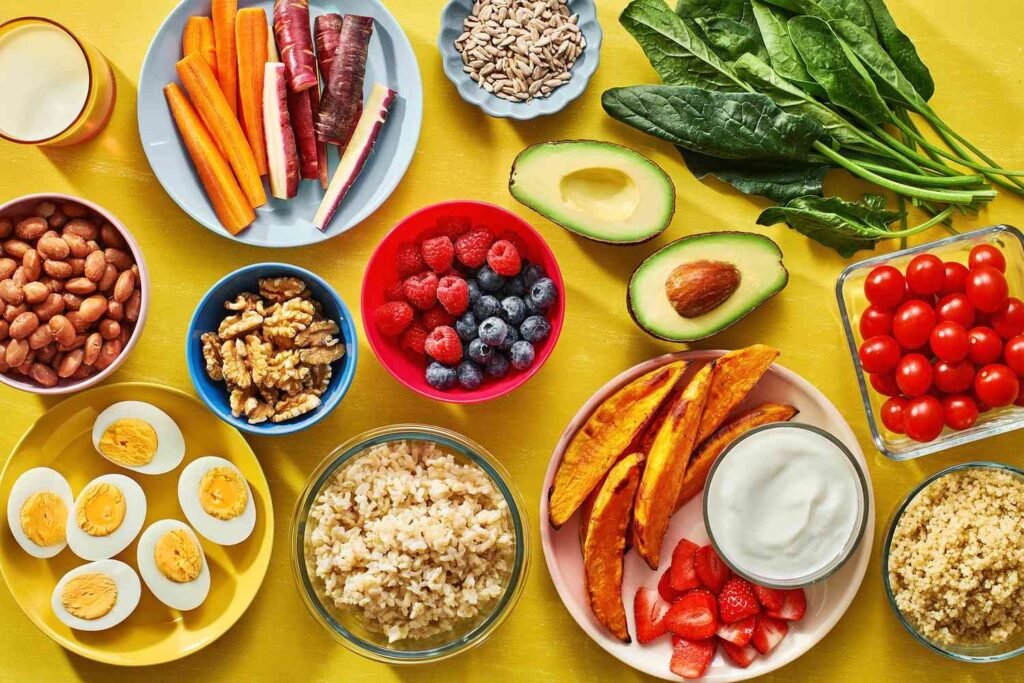
Food is much more than something we eat to satisfy hunger. It is the fuel that powers our bodies, supports our immune system, and helps us stay physically and mentally healthy. The food choices we make every day can affect our energy levels, mood, weight, and long-term health. Whether you’re trying to eat healthier, lose weight, or simply understand nutrition better, learning about food is the first step.
In today’s fast-paced world, convenience often takes priority over nutrition. Fast food, processed snacks, and sugary drinks have become common in many diets. However, making informed food choices doesn’t have to be difficult. With a little knowledge and planning, anyone can enjoy delicious meals while maintaining a balanced lifestyle.
This guide explores everything you need to know about food, including different food groups, nutritional benefits, healthy eating habits, common mistakes, and practical tips for creating a healthier diet.
Why Food Is Essential for Good Health
Food provides the nutrients our bodies need to function properly. Every organ, muscle, and cell depends on a steady supply of vitamins, minerals, carbohydrates, proteins, and healthy fats.
Without proper nutrition, the body becomes more vulnerable to illness, fatigue, poor concentration, and chronic diseases. Eating a variety of nutrient-rich foods supports growth, repair, and overall well-being throughout every stage of life.
Healthy food also plays an important role in mental health. Nutrient-rich diets have been linked to better mood, improved memory, and reduced risk of depression and anxiety. A balanced diet benefits both the body and the mind.
Understanding the Main Food Groups
Knowing the major food groups helps you create balanced meals.
Fruits
Fruits are packed with vitamins, minerals, antioxidants, and dietary fiber. Apples, bananas, berries, oranges, and grapes all provide essential nutrients that support immunity and digestion.
Eating fresh fruit instead of sugary desserts is a healthier way to satisfy your sweet tooth while getting natural vitamins.
Experts recommend consuming a variety of colorful fruits throughout the week to maximize nutritional benefits.
Vegetables
Vegetables are among the healthiest foods available. Leafy greens, broccoli, carrots, peppers, tomatoes, and cucumbers provide essential nutrients while being naturally low in calories.
Vegetables help reduce inflammation, improve digestion, and lower the risk of chronic diseases such as heart disease and diabetes.
Aim to fill half of your plate with vegetables during lunch and dinner.
Protein Foods
Protein helps build muscles, repair tissues, and support immune function.
Healthy protein sources include:
- Chicken
- Turkey
- Fish
- Eggs
- Beans
- Lentils
- Tofu
- Greek yogurt
- Nuts
Including protein in every meal helps you stay full longer and supports muscle growth.
Whole Grains
Whole grains provide long-lasting energy because they contain complex carbohydrates and fiber.
Examples include:
- Brown rice
- Oats
- Whole wheat bread
- Quinoa
- Barley
Unlike refined grains, whole grains retain valuable nutrients that promote digestive and heart health.
Dairy
Milk, yogurt, and cheese supply calcium, protein, and vitamin D, helping maintain strong bones and teeth.
People who are lactose intolerant can choose lactose-free or plant-based fortified alternatives.
Important Nutrients Found in Food
Every nutrient has a unique function in the body.
Carbohydrates
Carbohydrates are the body’s main energy source. Healthy carbohydrates come from fruits, vegetables, legumes, and whole grains.
Protein
Protein supports muscle development, hormone production, and tissue repair.
Healthy Fats
Healthy fats found in avocados, olive oil, nuts, seeds, and fatty fish support brain health and hormone balance.
Vitamins
Vitamins strengthen immunity, improve vision, support metabolism, and maintain healthy skin.
Minerals
Minerals like calcium, potassium, magnesium, and iron help regulate body functions and maintain strong bones.
Fiber
Fiber improves digestion, lowers cholesterol, controls blood sugar, and promotes fullness after meals.
Benefits of Eating Healthy Food
Healthy eating offers numerous short-term and long-term advantages.
One of the biggest benefits is increased energy. Nutritious meals provide steady fuel without causing energy crashes associated with sugary foods.
Healthy eating also supports weight management. Foods rich in protein and fiber help control appetite naturally.
Another major advantage is disease prevention. Diets rich in fruits, vegetables, and whole grains lower the risk of heart disease, obesity, high blood pressure, and type 2 diabetes.
Eating nutritious food also improves skin health, strengthens bones, enhances digestion, and boosts immune function.
Finally, a balanced diet contributes to better mental focus, improved productivity, and higher overall quality of life.
Foods You Should Eat More Often
Many experts recommend including these nutritious foods regularly:
- Leafy green vegetables
- Fresh berries
- Apples
- Bananas
- Salmon
- Tuna
- Eggs
- Greek yogurt
- Oatmeal
- Brown rice
- Sweet potatoes
- Avocados
- Almonds
- Walnuts
- Beans
- Lentils
- Chickpeas
- Olive oil
- Seeds
These foods are nutrient-dense and support overall health.
Foods to Limit
Not every food needs to be completely avoided, but moderation is important.
Try limiting:
- Sugary drinks
- Candy
- Cakes
- Pastries
- Processed meats
- Deep-fried foods
- Chips
- Fast food
- Excessive alcohol
- Highly processed snacks
These foods often contain excessive sugar, unhealthy fats, sodium, and calories while providing little nutritional value.
Replacing processed foods with whole foods is one of the easiest ways to improve your diet.
Healthy Eating Habits for Everyday Life
Healthy eating isn’t about following strict diets. It’s about building sustainable habits.
Start by eating regular meals instead of skipping breakfast or lunch.
Drink plenty of water throughout the day because hydration is just as important as nutrition.
Practice portion control rather than overeating.
Cook more meals at home whenever possible. Home-cooked meals usually contain fewer calories and less sodium than restaurant food.
Read nutrition labels to understand what you’re eating.
Plan meals in advance to avoid unhealthy last-minute choices.
Eat slowly and pay attention to hunger signals instead of eating out of boredom.
Common Nutrition Mistakes People Make
Many people unknowingly make mistakes that affect their health.
One common mistake is skipping meals, which often leads to overeating later.
Another mistake is eliminating entire food groups without medical advice. Most people benefit from balanced diets rather than extreme restrictions.
Many people also underestimate calories in sugary beverages, coffee drinks, and snacks.
Relying heavily on processed convenience foods reduces overall nutrient intake.
Finally, following fad diets without scientific evidence often leads to temporary results instead of lasting healthy habits.
How to Build a Balanced Plate
A balanced meal doesn’t need to be complicated.
A simple guideline is:
- Half the plate should contain vegetables and fruits.
- One-quarter should contain lean protein.
- One-quarter should contain whole grains.
- Include healthy fats in moderation.
- Drink water or unsweetened beverages.
This approach helps ensure your body receives a wide variety of nutrients without excessive calories.
Conclusion
Food plays a central role in every aspect of our health. The right foods provide energy, strengthen the immune system, improve mental performance, and reduce the risk of chronic diseases. Healthy eating isn’t about perfection or strict dieting—it’s about making smarter choices consistently.
By choosing more fruits, vegetables, lean proteins, whole grains, and healthy fats while limiting processed foods and added sugars, you can build habits that support lifelong wellness. Small changes, such as cooking at home, drinking more water, and practicing portion control, can make a significant difference over time.
Remember, every healthy meal is an investment in your future. Start with simple improvements today, and your body will thank you for years to come.
Frequently Asked Questions
What is the #1 unhealthiest food?
Highly processed foods with excessive trans fats, added sugars, and sodium—such as deep-fried fast food—are generally considered among the unhealthiest options.
Can you live on $200 a month for food?
Yes, with careful meal planning, buying in bulk, cooking at home, and choosing affordable staples like rice, beans, oats, and seasonal produce.
What is the 30-30-30 rule for restaurants?
A common version encourages choosing meals with about 30 grams of protein, 30 grams of fiber-rich carbohydrates or vegetables, and eating mindfully to support balanced nutrition.
What are the top 10 best foods?
Some of the healthiest foods include spinach, blueberries, salmon, eggs, oats, yogurt, broccoli, almonds, beans, and sweet potatoes.
Meta Description:
Discover everything about food, healthy eating, nutrition, food groups, balanced diets, and practical tips to improve your health with this complete beginner-friendly guide.

wellcome to glamnetworth i am rimsha razzaq and AI-Powered SEO , and containt writer with four years of experince i help website rank higher, grow traffic, and look amazing . my goal is to make SEO and web design simple and effective for everyone . Lets achieve more together|