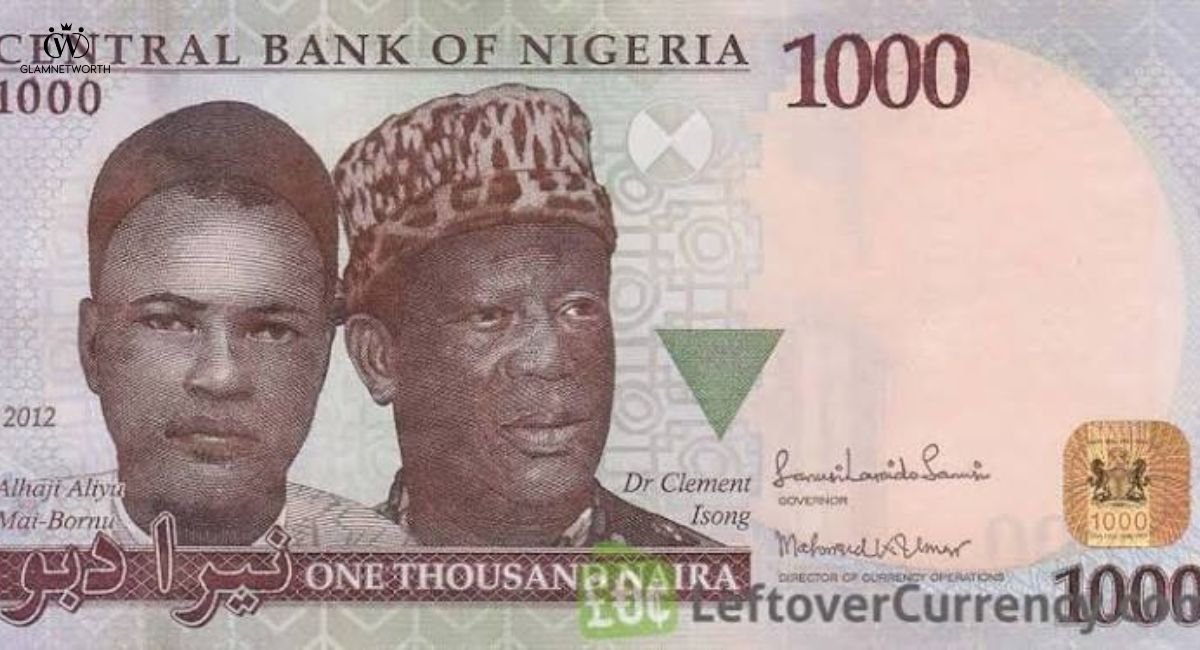


Introduction to the Naira
The Naira (₦) is the official currency of Nigeria and serves as one of the most recognized currencies in Africa. Introduced in 1973, it replaced the Nigerian Pound and has since become a symbol of Nigeria’s independence and economic identity. Whether you’re traveling to Nigeria, investing in African markets, or simply curious about global currencies, understanding the Naira is essential.
As Africa’s largest economy by population, Nigeria plays a significant role in international trade, especially in oil exports. Because of this, the value of the Naira often attracts attention from investors, economists, and businesses worldwide. Currency fluctuations can impact everything from import costs to inflation and purchasing power.
This guide explores everything you need to know about the Naira, including its history, denominations, exchange rates, factors influencing its value, and its future in Nigeria’s growing economy.
The History of the Naira
The history of the Naira reflects Nigeria’s journey toward economic independence. Before 1973, Nigeria used the Nigerian Pound, which was inherited from the British colonial administration. To establish a stronger national identity, the Nigerian government introduced the Naira on January 1, 1973.
The name “Naira” was derived from the word “Nigeria,” making it a uniquely national currency. At the same time, the Kobo was introduced as the subdivision of the Naira, with 100 Kobo making one Naira. This decimal system simplified transactions compared to the previous British-style currency.
Since its introduction, the Naira has undergone numerous redesigns and policy changes. Different governments and the Central Bank of Nigeria have introduced new banknotes, improved security features, and implemented monetary reforms aimed at reducing inflation and counterfeiting.
Who Issues the Naira?
The Central Bank of Nigeria (CBN) is the official institution responsible for issuing and regulating the Naira. Established in 1958, the CBN manages Nigeria’s monetary policy and ensures the stability of the financial system.
One of the bank’s primary responsibilities is controlling inflation. By adjusting interest rates and regulating the money supply, the CBN attempts to maintain the purchasing power of the Naira. These policies directly affect businesses, consumers, and investors across Nigeria.
In addition to issuing currency, the Central Bank also manages Nigeria’s foreign exchange reserves, supervises commercial banks, and develops financial policies that encourage economic growth.
Naira Denominations and Currency Design
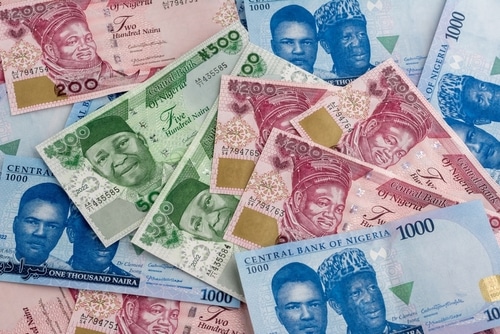
Nigeria’s currency is available in both coins and banknotes. Although coins remain legal tender, paper notes dominate everyday transactions due to their practicality and higher value.
Current Naira banknotes include ₦5, ₦10, ₦20, ₦50, ₦100, ₦200, ₦500, and ₦1,000. Each denomination features important Nigerian leaders, historical figures, or cultural symbols that celebrate the country’s heritage and achievements.
Modern Naira notes also include advanced security features such as watermarks, security threads, microprinting, and color-changing ink. These features help reduce counterfeiting while increasing public confidence in the currency.
Understanding the Naira Exchange Rate
The exchange rate determines how much one Naira is worth compared to other currencies such as the US Dollar, Euro, or British Pound. Exchange rates can change daily based on market demand, government policies, and international economic conditions.
Nigeria operates a managed foreign exchange system where the Central Bank may intervene to stabilize the currency. However, market forces continue to play a significant role in determining the Naira’s value, especially in official and parallel markets.
Businesses involved in international trade closely monitor the Naira exchange rate because it directly affects import costs, export earnings, and foreign investments. Even small changes in exchange rates can significantly influence Nigeria’s economy.
Factors That Affect the Value of the Naira
Several economic factors determine whether the Naira strengthens or weakens against foreign currencies. One of the most important influences is Nigeria’s oil industry. Since crude oil exports generate a large portion of the country’s foreign exchange earnings, fluctuations in global oil prices often affect the Naira.
Inflation is another major factor. When inflation rises rapidly, the purchasing power of the Naira decreases, making imported goods more expensive and reducing consumer confidence.
Foreign investment, government spending, political stability, trade balances, and monetary policy also influence the value of the currency. Positive economic reforms generally strengthen investor confidence, while uncertainty often puts pressure on the Naira.
Why the Naira Has Experienced Depreciation
Over the past several decades, the Naira has gradually depreciated against many major world currencies. This trend has been influenced by multiple domestic and international economic challenges.
Heavy dependence on crude oil exports makes Nigeria vulnerable to fluctuations in global energy prices. When oil revenues decline, foreign exchange reserves decrease, limiting the availability of dollars and putting pressure on the Naira.
High inflation, rising government debt, foreign exchange shortages, and increasing import demand have also contributed to currency depreciation. Additionally, periods of political uncertainty and global economic crises have accelerated downward pressure on the currency.
The Role of the Naira in Nigeria’s Economy
The Naira plays a central role in supporting Nigeria’s economy. Every financial transaction within the country—from purchasing groceries to paying salaries—is conducted using the national currency.
Businesses rely on the Naira for pricing goods and services, while the government uses it to collect taxes, fund infrastructure, and pay public sector employees. Banks, insurance companies, and financial institutions also depend on a stable currency to support lending and investment.
A stable Naira encourages economic growth by improving consumer confidence, attracting foreign investors, and making long-term business planning easier. Conversely, rapid currency fluctuations can increase inflation and reduce purchasing power.
Digital Payments and the Future of the Naira
Nigeria has become one of Africa’s leading countries in digital financial innovation. Mobile banking, online payments, and fintech companies have transformed how people use the Naira in everyday life.
The Central Bank of Nigeria introduced the eNaira, a central bank digital currency (CBDC), to modernize payment systems and improve financial inclusion. The eNaira enables secure digital transactions while remaining backed by the government.
As cashless payment systems continue expanding, digital wallets, QR code payments, and electronic transfers are expected to play an even larger role in Nigeria’s economy. These innovations could improve transaction efficiency while reducing cash-handling costs.
Naira vs Other African Currencies
Compared to many African currencies, the Naira belongs to one of the continent’s largest economies. However, exchange rate performance varies depending on each country’s economic structure and monetary policies.
Countries with diversified export sectors and lower inflation often experience more stable currencies. Meanwhile, economies that rely heavily on commodity exports may face greater exchange rate volatility, similar to Nigeria.
Despite periodic fluctuations, the Naira remains one of Africa’s most actively traded currencies because of Nigeria’s large population, vibrant business environment, and significant role in regional commerce.
Tips for Travelers and Investors Using the Naira
Visitors traveling to Nigeria should exchange money through authorized banks or licensed foreign exchange providers. This helps ensure secure transactions and compliance with local financial regulations.
Investors should monitor inflation, foreign exchange policies, and Central Bank announcements before making financial decisions involving the Naira. Staying informed about economic indicators can help reduce investment risks.
Businesses operating internationally should also consider exchange rate fluctuations when pricing products, managing imports, or planning expansion into the Nigerian market.
Common Challenges Facing the Naira
Like many emerging market currencies, the Naira faces several ongoing challenges. Inflation remains one of the biggest concerns because rising prices reduce household purchasing power and increase business costs.
Foreign exchange shortages occasionally create pressure on importers who require dollars for international purchases. This imbalance between demand and supply can contribute to exchange rate volatility.
Economic diversification remains another important goal. Reducing dependence on oil exports through growth in agriculture, manufacturing, technology, and services could strengthen the Naira over the long term.
The Future Outlook for the Naira
The future of the Naira depends on continued economic reforms, stronger foreign investment, improved infrastructure, and diversification beyond oil exports. Many economists believe that sustainable growth will require consistent fiscal discipline and transparent monetary policies.
Digital finance, expanding technology sectors, and increasing regional trade under the African Continental Free Trade Area (AfCFTA) may also create new opportunities for the Nigerian economy. These developments could improve long-term confidence in the Naira.
While short-term fluctuations are likely to continue, Nigeria’s large population, entrepreneurial culture, and abundant natural resources provide significant potential for future economic expansion.
Conclusion
The Naira is far more than Nigeria’s official currency—it represents the country’s economic strength, national identity, and financial future. Since replacing the Nigerian Pound in 1973, the Naira has evolved alongside Nigeria’s changing economy and continues to play a crucial role in trade, banking, investment, and everyday life.
Although the currency has experienced periods of volatility due to inflation, oil price fluctuations, and global economic challenges, ongoing reforms and technological innovations offer opportunities for greater stability. Understanding how the Naira works helps travelers, investors, students, and businesses make informed financial decisions.
As Nigeria continues to modernize its economy through digital payments, economic diversification, and financial reforms, the Naira will remain at the center of the nation’s economic development and its growing influence across Africa.
FAQs
What is the meaning of Naira?
The Naira (₦) is the official currency of Nigeria, introduced in 1973 to replace the Nigerian Pound.
How much is $1 US in Nigeria?
The value of $1 USD in Nigeria changes daily based on the exchange rate, so check the latest official or market rate before exchanging money.
What country uses ₦?
The ₦ (Naira) is the official currency symbol used by Nigeria.
What is this symbol ₦?
The ₦ symbol represents the Naira, the national currency of Nigeria, issued by the Central Bank of Nigeria.
YOU MAY ALSO READ
movie theter near me

wellcome to glamnetworth i am rimsha razzaq and AI-Powered SEO , and containt writer with four years of experince i help website rank higher, grow traffic, and look amazing . my goal is to make SEO and web design simple and effective for everyone . Lets achieve more together|
