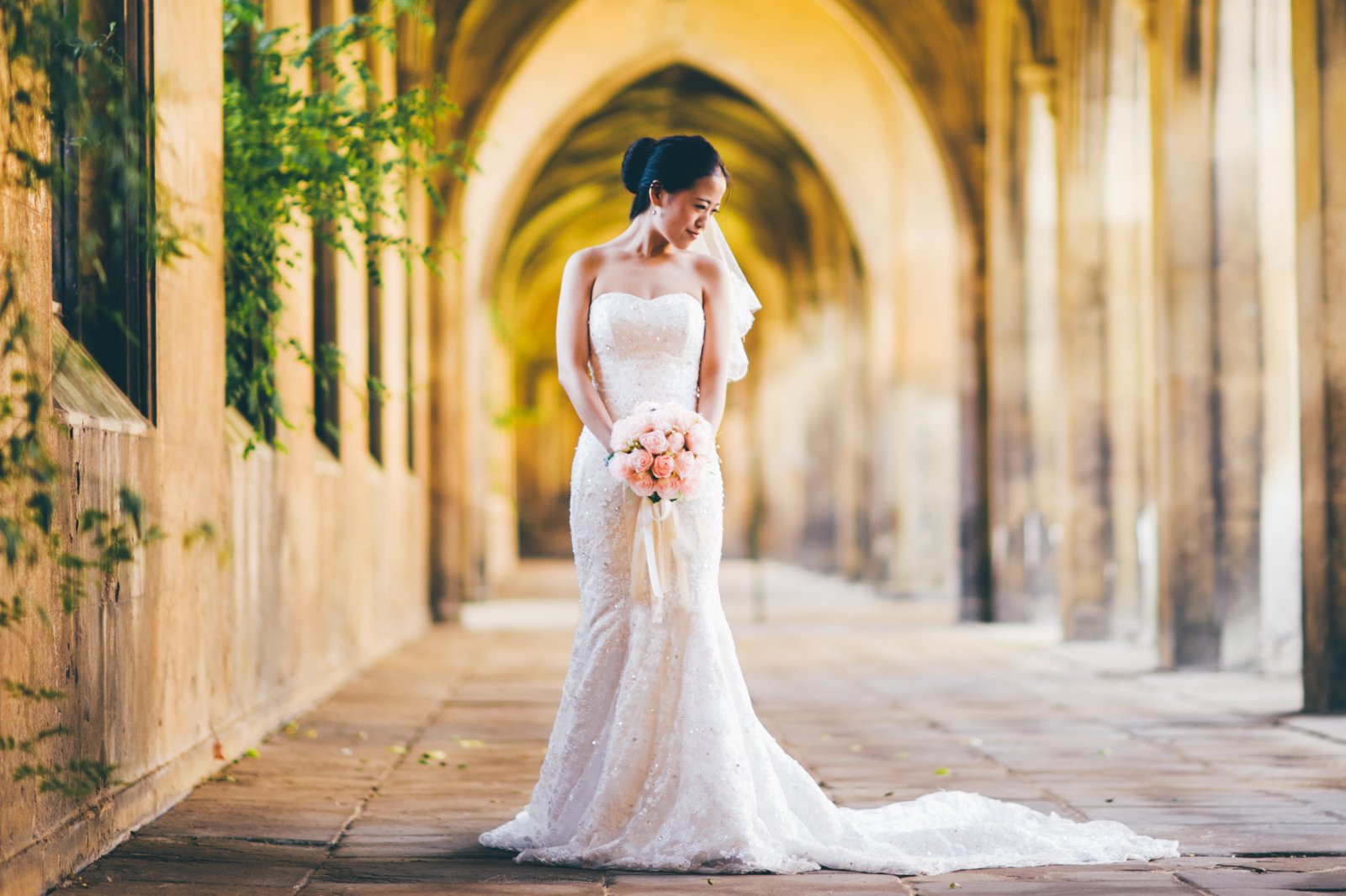

Wedding Photographer Your wedding day is filled with moments you will want to remember for years. From the excitement of getting ready to the emotional walk down the aisle to the laughter, dancing, speeches, and final farewell, a wedding photographer has the important job of preserving those memories.
Choosing a wedding photographer is about much more than finding someone who owns a professional camera. You are trusting that person to capture one of the most meaningful days of your life in a way that feels natural, beautiful, and authentic to you.
With so many photography styles, packages, and photographers available, the process can feel overwhelming. Fortunately, knowing what to look for can make the decision much easier. The right photographer should fit your style, budget, personality, timeline, and expectations.
What Does a Wedding Photographer Do?
A wedding photographer captures the important moments and details of your wedding day. Their job typically begins before the ceremony, with photographs of preparations, outfits, rings, flowers, invitations, and other details.
During the ceremony, the photographer documents important moments such as the entrance, vows, ring exchange, first kiss, and reactions from family and friends. Afterward, they may photograph portraits of the newly married couple, wedding party, relatives, and guests.
Reception photography can include the first dance, speeches, cake cutting, dinner, entertainment, candid interactions, and the final moments of the celebration. A professional photographer is usually focused on both planned portraits and spontaneous moments that happen naturally throughout the day.
Why Is a Wedding Photographer Important?
Wedding photography is an investment in memories. Flowers disappear, food is eaten, music ends, and the wedding venue eventually becomes part of the past, but photographs can help you revisit those moments for decades.
A good wedding photographer does more than simply document what happened. They can capture emotions that you may not notice while the day is happening. A photograph might preserve a parent’s expression during the ceremony, a friend’s laughter during the reception, or a quiet moment between the couple.
Photography can also tell the complete story of the wedding. When you look through your wedding album years later, you should be able to remember not only how the day looked but also how it felt.
Different Wedding Photography Styles
One of the first things couples should consider is photography style. Different photographers approach weddings in very different ways, so looking through complete wedding galleries can help you understand what you like.
Traditional wedding photography usually focuses on posed portraits, family group photographs, and carefully arranged images. This style can be a great choice for couples who want classic photographs and formal family portraits.
Documentary or photojournalistic wedding photography takes a more candid approach. Instead of directing every moment, the photographer observes the day and captures genuine interactions as they happen. This style can feel relaxed and authentic.
Fine-art wedding photography often emphasizes composition, lighting, elegant details, and a polished visual appearance. Other photographers may specialize in editorial, dark and moody, bright and airy, film-inspired, or colorful photography. The best style is ultimately the one that matches your personality and wedding vision.
How to Find a Wedding Photographer
Start your search early, especially if your wedding is taking place during a popular season. Experienced wedding photographers can become unavailable months or even years ahead of time for certain dates.
You can find photographers through recommendations from friends and family, wedding venues, planners, bridal websites, social media, and online searches. Personal recommendations can be particularly useful because you can hear about someone’s actual experience rather than relying only on advertising.
Once you have a shortlist, visit each photographer’s website and review their portfolio. Pay attention to whether the portfolio contains complete weddings rather than only a collection of their favorite photographs. A photographer may have several impressive images but a very different approach when covering an entire wedding day.
What to Look for in a Wedding Photography Portfolio
A portfolio is one of the most useful tools when comparing wedding photographers. Look beyond whether the photographs simply look attractive and consider whether the photographer’s style fits what you want.
Check how the photographer handles different lighting conditions. Weddings can involve bright outdoor sunlight, dark reception halls, indoor ceremonies, and nighttime portraits. A strong photographer should be comfortable working in a variety of environments.
Also look at the emotions and expressions in the photographs. Are the couples relaxed, or do the poses look forced? Are guests captured naturally? Do family photographs look organized? These details can tell you a lot about how the photographer works.
How Much Does a Wedding Photographer Cost?
The cost of a wedding photographer can vary considerably depending on location, experience, coverage time, package contents, editing, second photographers, albums, and other services.
Some photographers offer short coverage for smaller weddings, while others provide full-day packages covering preparation through the reception. Experienced photographers with established reputations may charge significantly more than photographers who are newer to the industry.
Instead of comparing photographers based only on price, compare the complete package. One photographer may appear cheaper but provide fewer hours, fewer edited images, or no album. Another may cost more but include extensive coverage, a second shooter, engagement photography, and premium products.
The goal is to understand exactly what you are receiving before signing a contract. A clear package and transparent pricing can prevent unpleasant surprises later.
Questions to Ask a Wedding Photographer
Before booking, schedule a consultation or video call with your favorite photographers. This is a good opportunity to understand their personality and approach.
Ask about their availability, experience, photography style, coverage hours, turnaround time, backup equipment, image delivery, and contract terms. You should also ask what happens if the photographer becomes ill or cannot attend your wedding.
It is equally important to ask about the number of edited photographs you can expect. The exact number can vary, so avoid assuming that a longer wedding automatically means a specific number of images.
Finally, ask whether the photographer works alone or uses a second photographer. A second shooter can be particularly useful for larger weddings because one person can photograph the couple while another captures guests, preparations, or other activities.
Wedding Photography Packages
Wedding photography packages can vary widely. A basic package might include several hours of coverage and professionally edited digital photographs.
More comprehensive packages may include full-day coverage, a second photographer, engagement sessions, wedding albums, prints, online galleries, and additional services. Some photographers also offer rehearsal dinner coverage or separate sessions after the wedding.
When reviewing packages, think about what you actually need. A small ceremony may not require a full-day package, while a large wedding with extensive preparations and a long reception may benefit from more coverage.
Ask whether packages can be customized. Some photographers are willing to create a package around your specific timeline rather than forcing you to purchase services you do not need.
The Importance of a Wedding Photography Contract
A written contract is extremely important. It should clearly explain what you and the photographer have agreed upon.
The contract should generally cover the wedding date, coverage hours, payment schedule, package details, cancellation policy, image delivery, editing, rights and usage, overtime fees, and what happens if the photographer cannot attend.
Read the agreement carefully before signing. If there is something you do not understand, ask the photographer to explain it. A professional should be comfortable discussing the terms of the agreement openly.
A contract protects both sides and helps ensure that everyone has the same expectations before the wedding day.
Engagement Photography Sessions
Many wedding photographers offer engagement sessions as part of their packages or as an optional service. These sessions can be useful for more than simply creating additional photographs.
An engagement session gives you an opportunity to become comfortable in front of the camera. Couples often feel awkward during their first professional photo session, but practicing beforehand can make wedding-day portraits feel much more natural.
It also gives you a chance to understand how your photographer communicates. You can discover whether you prefer a photographer who provides detailed posing instructions or someone who encourages natural movement and interaction.
Wedding Day Timeline and Photography
A well-organized timeline can make wedding photography much easier. Talk with your photographer about the day’s schedule before the wedding.
Consider how much time is needed for getting-ready photographs, first-look portraits, family photos, wedding-party portraits, couple portraits, and reception details. Building enough time into the schedule helps avoid rushing.
Your photographer may also suggest the best time for portraits based on natural light. Outdoor photographs taken around sunset can have a completely different appearance from images taken in harsh midday sunlight.
Planning these details ahead of time gives you more opportunities to enjoy the wedding rather than constantly watching the clock.
Candid Wedding Photography
Candid photography is one of the most valuable parts of wedding coverage because not every meaningful moment is planned.
A candid photograph might capture your parents laughing during a speech, friends dancing together, a child playing at the reception, or a quiet conversation between relatives. These photographs can become some of your favorite memories.
The best candid wedding photography does not feel intrusive. The photographer should know when to move closer and when to step back, allowing moments to develop naturally.
When reviewing portfolios, look for genuine expressions rather than photographs where everyone appears to be looking directly at the camera. A balanced wedding gallery should usually contain both portraits and spontaneous moments.
Tips for Getting Better Wedding Photos
Good communication with your photographer can significantly improve your final gallery. Share your preferences and let them know if there are particular people, details, or moments that are especially important to you.
Create a short list of essential family photographs. This can help the photographer organize formal portraits efficiently and ensure that important combinations are not forgotten.
It is also helpful to keep the getting-ready area reasonably organized. A clutter-free room can make preparation photographs look much cleaner.
Most importantly, try to enjoy yourself. Genuine emotion is difficult to fake, and couples who relax, laugh, and focus on each other often produce the most natural photographs.
How to Choose the Right Wedding Photographer for You
The best wedding photographer is not necessarily the most expensive or the most popular person in your area. The right photographer is someone whose work you genuinely love and whose personality makes you feel comfortable.
Start by identifying the photography style you prefer. Then narrow down photographers based on availability, experience, reviews, package options, and budget.
Once you have a shortlist, arrange consultations and ask questions. Pay attention to how well the photographer listens. You should feel comfortable explaining your priorities and asking for clarification.
Remember that you may spend many hours with your photographer on your wedding day. Personality and communication therefore matter almost as much as photography skills.
Final Thoughts on Hiring a Wedding Photographer
Choosing a wedding photographer is one of the most important decisions you can make when planning your wedding. The photographs will become a visual record of a day that you may want to revisit for the rest of your life.
Take time to explore different photography styles, compare complete portfolios, understand pricing, read contracts, and meet potential photographers before making your decision.
Most importantly, choose someone whose work feels right for you. Whether you prefer classic portraits, candid storytelling, modern editorial images, or romantic fine-art photography, the right professional can capture your wedding in a way that feels genuine and personal.
A great wedding photographer does not simply photograph a wedding. They preserve the emotions, relationships, details, and little moments that make your celebration uniquely yours.
Frequently Asked Questions About Wedding Photographers
How much does a wedding photographer cost?
Wedding photography prices vary based on location, experience, coverage hours, package features, and additional services. It is best to compare complete packages rather than looking only at the starting price.
How early should I book a wedding photographer?
Booking early is recommended, especially for popular wedding dates and peak seasons. Many experienced photographers accept bookings well in advance.
What should I look for in a wedding photographer?
Look for a photographer whose portfolio matches your preferred style, whose communication feels comfortable, and whose contract and pricing are clear. Experience, reviews, backup plans, and package details are also important.
How many photos do you get from a wedding photographer?
The number varies depending on the photographer, length of coverage, wedding size, and package. Ask your photographer for an estimated range before booking.
Should I have a second wedding photographer?
A second photographer can be useful for larger weddings because they can capture different parts of the event simultaneously. It is not always necessary for small, intimate celebrations.
Do wedding photographers edit every photo?
Professional wedding photographers generally select and edit the photographs they deliver. Editing may include adjustments to exposure, color, contrast, cropping, and other elements depending on the photographer’s style.
What is the difference between candid and traditional wedding photography?
Traditional photography typically includes planned poses and formal group photographs, while candid photography focuses more on natural moments and spontaneous interactions. Many photographers combine both approaches.
Should I have an engagement photo session?
An engagement session can be useful because it gives you a chance to become comfortable with your photographer and practice being photographed before the wedding day. It can also provide additional photographs for invitations, announcements, or personal use.
What should be included in a wedding photography contract?
A contract should clearly explain the wedding date, coverage hours, payment terms, package details, cancellation policy, image delivery, editing, overtime, and contingency arrangements if the photographer cannot attend.
How can I make my wedding photos better?
Create a realistic photography timeline, communicate important priorities, allow enough time for portraits, keep preparation areas reasonably tidy, and focus on enjoying the day. Natural emotions often create the most memorable photographs.
Meta Description
Looking for a wedding photographer? Learn how to choose the right professional, compare styles and packages, understand costs, plan your timeline, and get beautiful wedding photos.

wellcome to glamnetworth i am rimsha razzaq and AI-Powered SEO , and containt writer with four years of experince i help website rank higher, grow traffic, and look amazing . my goal is to make SEO and web design simple and effective for everyone . Lets achieve more together|
