
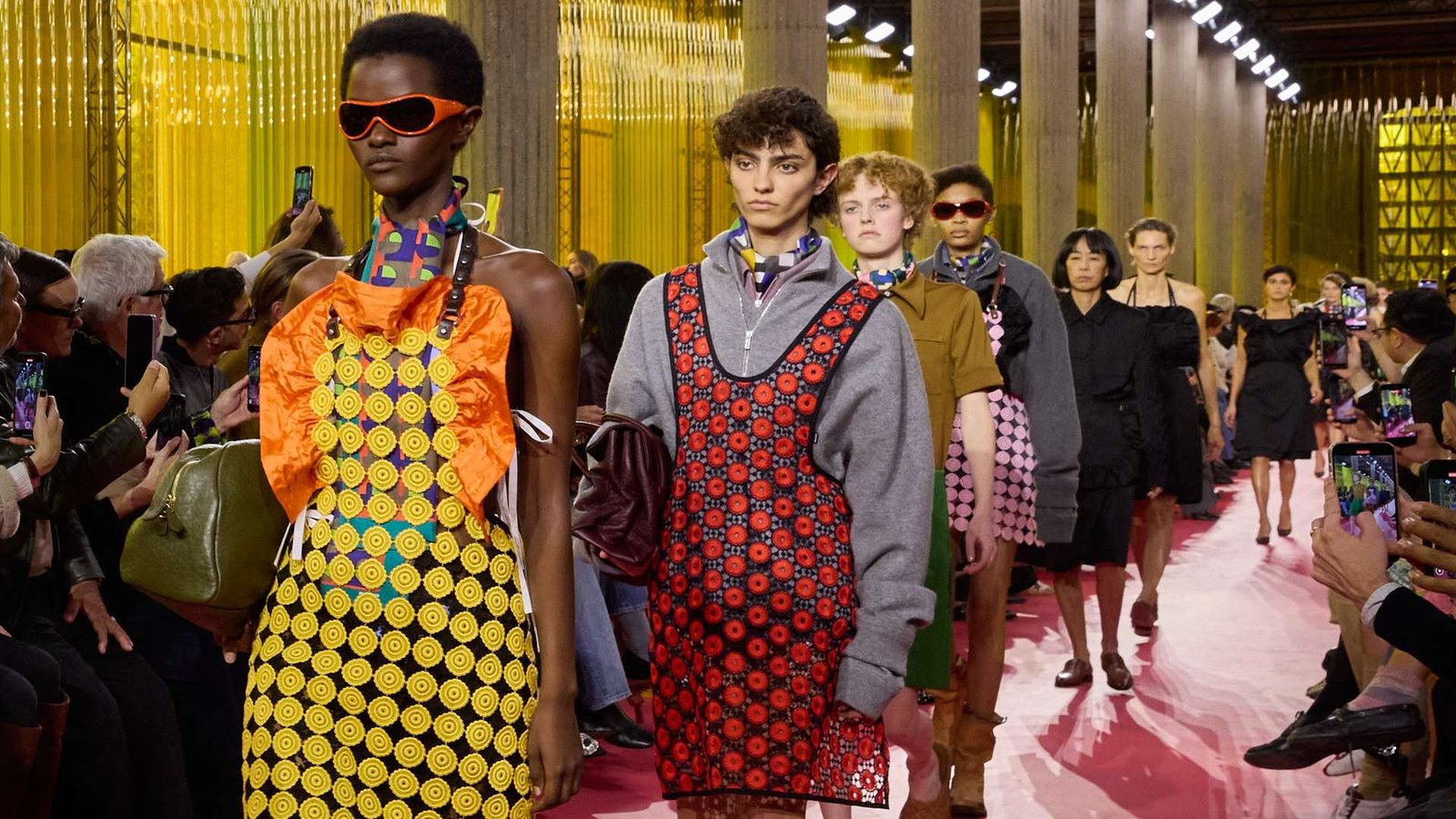
Fashion week is one of the most exciting events in the global fashion calendar. Twice a year, designers, models, celebrities, editors, buyers, influencers, and fashion lovers come together to see what is coming next in the world of style. It is much more than a series of runway shows. Fashion week is where creative ideas become trends, new designers get attention, and major fashion houses introduce collections that can influence clothing for months or even years.
For people who follow fashion casually, fashion week can sometimes seem like a glamorous event filled with famous faces and dramatic outfits. For professionals, however, it is serious business. The collections presented during these events can influence retail decisions, magazine editorials, social media trends, and the direction of the fashion industry.
Today, fashion week has also become more accessible than ever. Social media, livestreams, fashion websites, and digital platforms allow people around the world to watch runway shows and discover new collections without being physically present. This has transformed fashion week from an industry-only event into a global cultural experience.
What Is Fashion Week?
Fashion week is a scheduled event during which designers and fashion brands present their latest collections to buyers, journalists, celebrities, influencers, and the public. The shows usually focus on upcoming seasons, giving the fashion industry an early look at the clothing, accessories, colors, fabrics, and silhouettes that designers believe will shape future trends.
Traditionally, fashion week was mainly an industry event. Buyers attended shows to decide which pieces they wanted to purchase for stores, while editors and journalists studied the collections for upcoming magazine and media coverage. Designers also used the event to build relationships and establish their creative identity.
The modern fashion week is much broader. Runway shows can become major entertainment events, while celebrity appearances can attract as much attention as the clothing itself. Social media has made individual looks instantly shareable, allowing a collection to reach millions of people within minutes.
The Big Four Fashion Weeks
When people talk about the most important fashion weeks, they are usually referring to the four major fashion capitals: New York, London, Milan, and Paris. These cities have developed strong fashion identities and play major roles in shaping international style.
New York Fashion Week is known for its energetic and modern atmosphere. American designers often combine practical clothing with innovative ideas, creating collections that can feel both fashionable and wearable. The event has also become an important platform for emerging designers who want to establish themselves internationally.
London Fashion Week is recognized for creativity, experimentation, and a willingness to challenge traditional fashion rules. British designers have a long history of combining classic tailoring with unusual ideas, making London an important destination for designers who want to push boundaries.
Milan Fashion Week has a strong reputation for luxury, craftsmanship, and sophisticated design. Italian fashion houses are particularly famous for tailoring, leather goods, footwear, and elegant ready-to-wear collections. Paris Fashion Week is often considered the grand finale of the major fashion calendar, bringing together some of the world’s most influential luxury houses and designers.
Why Is Fashion Week So Important?
Fashion week plays a major role in determining what consumers will see in stores and online in the coming seasons. Designers use runway collections to introduce new ideas, while retailers use these presentations to understand which styles may have commercial potential.
The influence of fashion week extends far beyond clothing. Makeup trends, hairstyles, accessories, footwear, jewelry, and even color palettes can gain popularity because of runway presentations. A single collection can inspire countless interpretations from other brands and eventually become part of everyday fashion.
Fashion week is also important because it gives designers a platform to communicate their creative vision. A collection can represent more than a group of clothes. Designers often use fashion to discuss culture, identity, history, sustainability, technology, or current social ideas. This makes fashion week an important part of modern popular culture.
What Happens During Fashion Week?
A typical fashion week includes runway shows, presentations, private appointments, parties, interviews, and networking events. The most recognizable part is the runway show, where models walk through a carefully designed space wearing pieces from the latest collection.
Everything about a runway presentation is usually planned carefully. Designers consider the venue, music, lighting, model casting, hair, makeup, choreography, and styling. These elements work together to create an atmosphere that supports the collection’s message.
Behind the scenes, fashion week can be extremely demanding. Models may have several shows in a single day, while stylists, makeup artists, photographers, designers, and production teams work under intense deadlines. What looks effortless on the runway often represents weeks or months of preparation.
How Designers Prepare for Fashion Week
A fashion week collection usually begins long before the models step onto the runway. Designers may spend months researching ideas, developing sketches, choosing fabrics, creating patterns, and producing samples. The process often involves multiple fittings and revisions before the final garments are approved.
Designers also think carefully about how the collection will be presented. A strong runway show can turn clothing into a memorable story. Some designers prefer minimalist venues that allow the garments to remain the focus, while others create elaborate environments that become part of the overall experience.
The final days before a show are often especially intense. Garments need to be finished, models need to be fitted, looks need to be organized, and the entire presentation must be rehearsed. Even a small mistake can create problems, which is why fashion week requires a huge amount of coordination.
Fashion Week Trends and Their Influence
One of the biggest reasons people follow fashion week is to discover upcoming trends. Runway collections can provide early clues about colors, patterns, fabrics, shapes, and styling techniques that may become popular later.
For example, designers might repeatedly feature oversized silhouettes, minimalist tailoring, metallic fabrics, bold prints, or a particular color family. When similar ideas appear across multiple collections, fashion editors and trend analysts often recognize them as potential seasonal trends.
However, runway fashion does not always translate directly into everyday clothing. A dramatic runway outfit may be designed primarily to express a creative concept. Retail brands often take the central idea and adapt it into simpler, more practical pieces that consumers can comfortably wear.
The Role of Models in Fashion Week
Models are a central part of fashion week because they bring designers’ ideas to life. Their walk, posture, expressions, and styling can influence how an audience experiences a collection. A garment can look very different when presented on a moving model compared with a static display.
The modeling industry has also become more diverse over time. Fashion audiences increasingly expect runway shows to represent different ages, body types, backgrounds, and personal identities. Many designers and brands have responded by expanding their casting choices.
Models can also become celebrities in their own right. A standout runway appearance can generate significant attention on social media, leading to new campaigns, magazine covers, and brand partnerships. In this way, fashion week can help launch or accelerate a model’s career.
Celebrities and Social Media at Fashion Week
Celebrities have become a major part of modern fashion week culture. Actors, musicians, athletes, and influencers frequently attend runway shows, sit in front-row seats, and wear designs from participating brands.
Celebrity appearances can create enormous publicity for a fashion house. A photograph of a famous guest wearing a designer’s outfit can spread across social media within minutes. This gives brands additional exposure beyond traditional fashion publications.
Social media has changed fashion week even further. Platforms such as Instagram, TikTok, YouTube, and other digital channels allow audiences to experience runway events almost immediately. Behind-the-scenes videos, street-style photographs, designer interviews, and short runway clips can sometimes attract more attention than traditional coverage.
Street Style and Fashion Week
Street style has become almost as important as the runway itself. During fashion week, photographers often capture editors, influencers, celebrities, buyers, and ordinary fashion enthusiasts outside show venues.
These photographs provide a different perspective on fashion because they show how people interpret trends in real life. Someone may take an idea from a designer collection and combine it with vintage clothing, affordable basics, or personal accessories.
Street style has also helped make fashion feel more democratic. People no longer have to wait for a magazine to tell them what is fashionable. They can discover styling ideas directly from other people and develop their own interpretation.
The Growing Importance of Sustainable Fashion
Sustainability has become an increasingly important topic during fashion week. The fashion industry faces criticism over waste, resource consumption, production practices, and the environmental impact of clothing.
Many designers and brands are exploring ways to make fashion more responsible. This can include recycled materials, lower-waste production techniques, responsible sourcing, vintage fabrics, and clothing designed for longer use.
Fashion week provides designers with a valuable platform to communicate these ideas. While sustainability remains a complicated issue, increased attention from designers, consumers, journalists, and retailers can encourage the industry to consider more responsible approaches.
How Fashion Week Shapes Everyday Style
It may seem that runway fashion has little connection to everyday wardrobes, but the influence is stronger than many people realize. Fashion trends often move from luxury runways to major retailers, online stores, street style, and eventually ordinary closets.
A designer might introduce a particular jacket shape, shoe style, color, or fabric combination. Other brands may interpret that idea at different price levels, making it more accessible to a wider audience.
This process is one reason fashion week remains important even for people who never attend a runway show. The clothes people eventually see in stores may have been influenced by ideas that appeared on a runway months earlier.
How to Follow Fashion Week Online
You no longer need to travel to New York, London, Milan, or Paris to follow fashion week. Many fashion houses share runway content through their official digital channels, while fashion publications provide show reviews, trend reports, interviews, and backstage coverage.
Social media is another easy way to follow the action. Designers, models, photographers, stylists, and influencers often share content throughout the event. This makes it possible to experience everything from runway highlights to behind-the-scenes preparations.
For beginners, it can be helpful to follow several different sources rather than focusing on one designer or brand. Looking at multiple collections makes it easier to identify broader patterns and understand which ideas are becoming important across the fashion industry.
The Future of Fashion Week
Fashion week continues to evolve as technology and consumer behavior change. Digital presentations, livestreaming, virtual experiences, and social media have already changed how collections are introduced to the public.
The traditional runway show is unlikely to disappear completely because physical fashion shows provide an atmosphere that digital presentations cannot always reproduce. The energy of a live audience, the movement of garments, and the experience of being inside a carefully designed space remain valuable.
At the same time, future fashion weeks will probably become more connected to technology, sustainability, and direct consumer engagement. Designers may increasingly combine physical shows with digital content to reach audiences around the world.
Conclusion
Fashion week is far more than a glamorous event where models walk down a runway. It is a major part of the fashion industry’s creative and commercial system, connecting designers, retailers, media, celebrities, models, and consumers.
From New York and London to Milan and Paris, fashion weeks provide a platform for established fashion houses and emerging designers to introduce new ideas. They influence everything from clothing and accessories to beauty, street style, and social media culture.
The next time you see a fashion trend appearing everywhere, there is a good chance its story started months earlier on a runway. That is what makes fashion week so fascinating: it does not simply show us what people are wearing today. It gives us a glimpse of where style may be heading next.

wellcome to glamnetworth i am rimsha razzaq and AI-Powered SEO , and containt writer with four years of experince i help website rank higher, grow traffic, and look amazing . my goal is to make SEO and web design simple and effective for everyone . Lets achieve more together|