
Introduction
Old age is a natural stage of life that every person hopes to reach. It is a time filled with wisdom, life experiences, and valuable memories that younger generations can learn from. While many people associate old age with physical weakness or retirement, it is much more than that. It represents decades of learning, growth, achievements, and personal development.
Today, advancements in healthcare, nutrition, and technology have changed the experience of old age significantly. People are living longer than ever before and enjoying healthier, more active lifestyles. Many seniors continue working, traveling, learning new skills, and contributing to society well into their later years.
Understanding old age helps families, caregivers, and communities provide better support for elderly individuals. It also encourages younger people to prepare for their own future by adopting healthy habits early in life.
What Is Old Age?
Old age generally refers to the later stage of a person’s life, usually beginning around the age of 60 or 65, although this varies depending on cultural, medical, and legal definitions. It marks a period when the body gradually undergoes natural biological changes associated with aging.
Growing older does not happen overnight. Instead, it is a gradual process that affects physical strength, mental abilities, metabolism, and overall health. Some people experience these changes earlier, while others remain energetic and independent for many years.
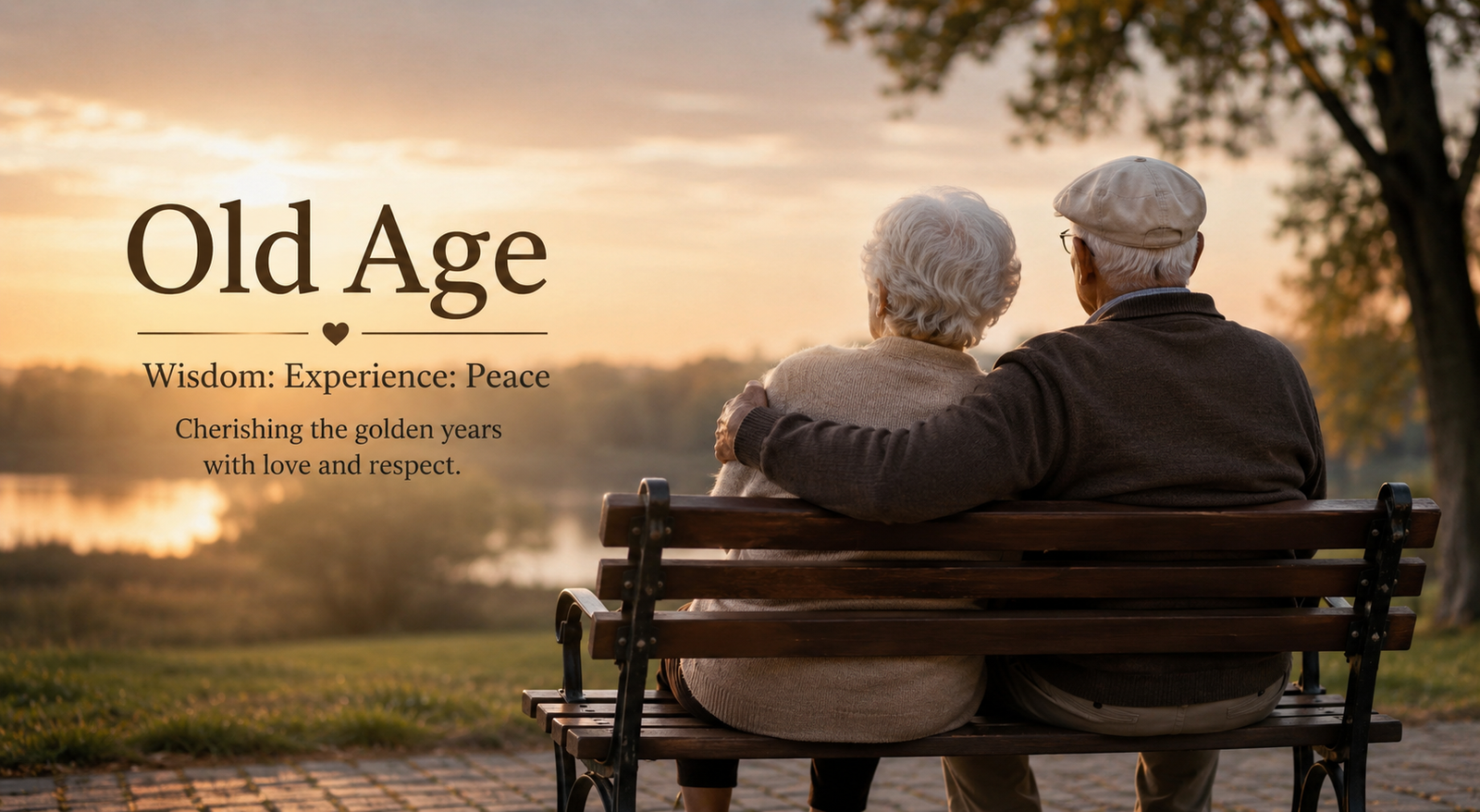
Despite these changes, old age should not be viewed negatively. It is a stage filled with opportunities for personal reflection, spending time with loved ones, pursuing hobbies, and enjoying the rewards of years of hard work.
Physical Changes During Old Age
As people enter old age, their bodies naturally begin to change. Muscles gradually lose strength, bones become less dense, and joints may become stiffer. These changes can make everyday activities slightly more challenging, but they are a normal part of aging.
Vision and hearing may also decline over time. Many older adults require reading glasses, hearing aids, or regular medical checkups to maintain their quality of life. Fortunately, modern medical technology provides many effective treatments and supportive devices.
Energy levels often decrease as metabolism slows down. However, maintaining an active lifestyle through regular walking, stretching, and light exercise helps seniors remain physically fit and independent for longer periods.
Emotional and Mental Health in Old Age
Mental and emotional well-being is just as important as physical health during old age. Retirement, losing loved ones, or changes in daily routines can sometimes lead to feelings of loneliness or sadness.
Fortunately, many older adults maintain excellent mental health by staying socially active, participating in community events, volunteering, or spending time with family members. Regular conversations and meaningful relationships greatly improve emotional well-being.
Keeping the brain active through reading, puzzles, learning new skills, or playing strategy games can help maintain cognitive abilities. Mental stimulation plays an important role in healthy aging.
Common Health Challenges in Old Age
Several health conditions become more common during old age due to natural aging processes. These include heart disease, arthritis, diabetes, osteoporosis, and high blood pressure. Regular medical checkups help detect these conditions early and improve treatment outcomes.
Memory-related illnesses such as dementia or Alzheimer’s disease may affect some seniors, although not everyone experiences these conditions. Early diagnosis and proper care can significantly improve quality of life.
Preventive healthcare remains one of the most effective ways to stay healthy during old age. Vaccinations, health screenings, balanced nutrition, and regular physical activity all contribute to longer, healthier lives.
The Importance of Healthy Eating in Old Age
Nutrition becomes increasingly important during old age because the body requires fewer calories but still needs plenty of vitamins, minerals, protein, and healthy fats.
A balanced diet containing fruits, vegetables, whole grains, lean proteins, dairy products, and healthy oils supports strong bones, healthy muscles, and a stronger immune system. Drinking enough water also prevents dehydration, which is common among older adults.
Limiting processed foods, excessive sugar, and high sodium intake reduces the risk of chronic diseases. Healthy eating not only improves physical health but also supports brain function and emotional well-being.
Staying Active During Old Age
Exercise is one of the best ways to maintain independence throughout old age. Physical activity strengthens muscles, improves flexibility, enhances balance, and reduces the risk of falls.
Walking remains one of the safest and most effective exercises for seniors. Swimming, yoga, cycling, and gentle stretching also provide excellent health benefits while being easy on the joints.
Regular exercise improves mood by releasing endorphins and reducing stress. Even moderate physical activity for 30 minutes most days of the week can greatly improve overall health.
Social Connections and Relationships
Human connection remains essential throughout old age. Strong relationships with family, friends, neighbors, and community members provide emotional support and reduce feelings of isolation.
Many seniors enjoy joining clubs, religious groups, volunteer organizations, or hobby classes where they can meet new people and stay engaged with society. Technology has also made it easier for older adults to stay connected through video calls and social media.
Maintaining healthy relationships improves mental health, increases happiness, and even contributes to longer life expectancy according to numerous research studies.
Financial Planning for Old Age
Preparing financially for old age helps reduce stress and ensures a comfortable retirement. Saving money throughout one’s working years allows individuals to cover living expenses, healthcare costs, and unexpected emergencies.
Retirement plans, pensions, investments, and personal savings all contribute to long-term financial security. Budgeting wisely during retirement helps seniors maintain independence without unnecessary financial worries.
Seeking advice from qualified financial professionals can help retirees manage their income efficiently while planning for future healthcare and lifestyle expenses.
The Role of Family in Old Age
Family support plays a major role in improving the quality of old age. Regular visits, meaningful conversations, and emotional encouragement help elderly family members feel valued and respected.
Children and grandchildren often benefit greatly from the wisdom and experiences shared by older relatives. These relationships strengthen family bonds and preserve important traditions across generations.
Families should also encourage seniors to remain as independent as possible while providing assistance when needed. Respecting their choices and involving them in decisions helps maintain dignity and self-confidence.
Technology and Modern Living in Old Age
Technology has transformed life during old age in many positive ways. Smartphones, tablets, wearable health devices, and video communication platforms help seniors stay informed and connected.
Online banking, telemedicine, grocery delivery, and virtual healthcare appointments have made daily life more convenient for older adults, especially those with limited mobility.
Learning to use technology may seem challenging initially, but many seniors quickly become comfortable with digital tools that improve their independence and overall quality of life.
Myths and Misconceptions About Old Age
Many people mistakenly believe that old age automatically means poor health, loneliness, or dependence. In reality, countless seniors lead active, productive, and fulfilling lives well into their seventies, eighties, and beyond.
Another common myth is that older adults cannot learn new skills. Research consistently shows that lifelong learning remains possible at any age with patience and practice.
Society benefits when it values older individuals for their experience, knowledge, and wisdom instead of focusing solely on age-related limitations.
Tips for Living a Happy Old Age
Living well during old age involves maintaining healthy habits throughout life. Regular exercise, balanced nutrition, quality sleep, and preventive healthcare create a strong foundation for healthy aging.
Remaining socially connected, pursuing hobbies, volunteering, traveling, and continuing to learn new things all contribute to greater happiness and life satisfaction. Having a sense of purpose is especially important for emotional well-being.
Positive thinking also makes a significant difference. Accepting change while focusing on opportunities instead of limitations helps many seniors enjoy a richer and more meaningful life.
Why Society Should Respect Older Adults
Older adults have spent decades contributing to their families, communities, and workplaces. Their knowledge, experience, and life lessons offer valuable guidance for younger generations.
Showing respect toward seniors creates stronger communities built on compassion, understanding, and gratitude. Small acts such as listening patiently, offering assistance, and including older adults in family activities can have a lasting positive impact.
Creating age-friendly communities with accessible healthcare, transportation, and public spaces ensures that people can enjoy dignity and independence throughout old age.
Conclusion
Old age is not simply the final chapter of life—it is a stage filled with wisdom, resilience, and opportunities for continued growth. While aging naturally brings physical and emotional changes, it also offers the chance to enjoy meaningful relationships, personal achievements, and a deeper appreciation for life.
Healthy habits, proper nutrition, regular exercise, financial planning, social engagement, and supportive families all contribute to a fulfilling experience during old age. Advances in medicine and technology have made it easier than ever for seniors to remain active, independent, and connected.
Instead of fearing old age, society should celebrate it as a valuable stage of life. By respecting older adults and preparing for healthy aging ourselves, we can create a future where growing older is viewed as a journey of dignity, purpose, and continued happiness.

wellcome to glamnetworth i am rimsha razzaq and AI-Powered SEO , and containt writer with four years of experince i help website rank higher, grow traffic, and look amazing . my goal is to make SEO and web design simple and effective for everyone . Lets achieve more together|