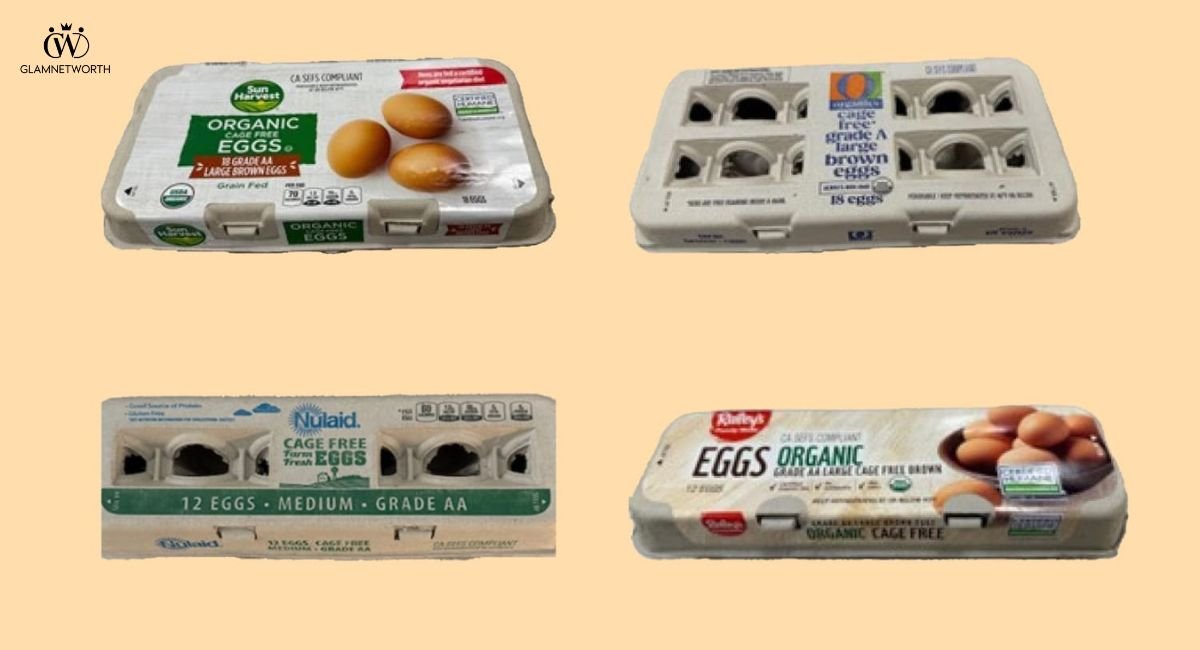

Eggs are one of the most common foods found in kitchens around the world. They are affordable, packed with protein, and used in everything from breakfast recipes to baked goods. However, every year, thousands—or even millions—of eggs are recalled due to concerns about contamination, packaging errors, or food safety risks. When consumers hear the phrase “eggs recalled,” it often raises questions about whether the eggs in their refrigerator are safe to eat.
Food recalls are designed to protect public health before contaminated products cause widespread illness. Government agencies like the U.S. Food and Drug Administration (FDA) and the Centers for Disease Control and Prevention (CDC) work closely with egg producers to investigate outbreaks, trace contaminated products, and remove unsafe eggs from store shelves. Although recalls can seem alarming, they are an important part of maintaining food safety standards.
In this guide, you’ll learn everything you need to know about egg recalls, including why they happen, how to determine whether your eggs are affected, what health risks contaminated eggs pose, and the steps you should take if you’ve purchased recalled products. Understanding the recall process can help you make informed decisions and protect your family from foodborne illness.
What Does “Eggs Recalled” Mean?
When eggs are recalled, it means that a manufacturer, distributor, or government agency has determined that certain eggs may pose a health or safety risk. These products are voluntarily or officially removed from the market to prevent consumers from becoming sick. A recall does not necessarily mean that every egg is contaminated, but it indicates that there is enough evidence to warrant precautionary action.
Most egg recalls happen after routine testing identifies harmful bacteria or after health officials investigate reports of foodborne illnesses linked to a specific batch of eggs. Once investigators identify the source, the affected products are traced through the supply chain and removed from grocery stores, restaurants, and food distributors. Consumers who have already purchased the eggs are advised to stop using them immediately.
Recalls may affect millions of eggs distributed across several states or even nationwide. Fortunately, recalled products can usually be identified by their brand name, carton size, plant code, Julian date, and expiration date. This information allows consumers to quickly determine whether the eggs they own are included in the recall notice.
Why Are Eggs Being Recalled?
One of the most common reasons eggs are recalled is contamination with harmful bacteria, especially Salmonella Enteritidis. This bacterium can infect chickens without causing visible signs of illness, allowing contaminated eggs to reach consumers. Even clean-looking eggs may carry bacteria either inside the shell or on its surface.
Egg recalls may also occur due to sanitation issues discovered during facility inspections. If investigators find that an egg processing plant has failed to meet food safety standards, products distributed from that facility may be recalled as a precaution. Problems such as poor cleaning practices, pest infestations, contaminated equipment, or improper storage temperatures can all contribute to recalls.
Occasionally, recalls happen because of labeling or packaging mistakes. For example, eggs may be sold under the wrong expiration date, contain incorrect allergen information, or be packaged using the wrong plant identification code. Although these recalls may not involve bacterial contamination, they are still important because accurate labeling helps consumers make safe purchasing decisions.
Common Bacteria Found in Recalled Eggs
The bacteria most frequently associated with recalled eggs is Salmonella, a microorganism responsible for millions of foodborne illnesses each year. Salmonella can contaminate eggs before the shell forms or after laying if the eggs come into contact with contaminated surfaces. Because the bacteria are invisible, consumers cannot determine whether an egg is safe simply by looking at it.
Another concern is Listeria monocytogenes, although it is more commonly associated with dairy products and ready-to-eat foods than shell eggs. In rare situations involving processed egg products, Listeria contamination can also trigger recalls. This bacterium is particularly dangerous for pregnant women, older adults, and people with weakened immune systems.
Although less common, bacteria such as Escherichia coli (E. coli) and Campylobacter may also be linked to poultry-related food safety concerns. Health agencies continuously monitor egg production facilities to detect these pathogens before contaminated products reach consumers. Strict testing programs and sanitation requirements help reduce the likelihood of widespread outbreaks.
How Egg Recalls Are Discovered
Many people assume recalls only happen after large numbers of people become ill, but that’s not always the case. In many situations, recalls begin because routine laboratory testing detects contamination before consumers report illnesses. Food safety inspectors regularly collect samples from farms, processing facilities, and distribution centers to ensure eggs meet strict quality standards.
Public health officials also monitor reports from hospitals and healthcare providers. If multiple patients become sick with the same bacterial strain after eating eggs, investigators begin tracing where those eggs were purchased. Advanced laboratory techniques, including whole genome sequencing, help scientists connect illnesses to specific egg production facilities with remarkable accuracy.
Manufacturers themselves also play an important role in food safety. Many companies perform internal quality testing and voluntarily report concerns when they discover contamination risks. By initiating voluntary recalls early, producers can remove affected products quickly and reduce the chance of widespread illness.
How Food Safety Agencies Protect Consumers
Food safety agencies work around the clock to identify contaminated foods before they cause significant harm. In the United States, the FDA oversees shell egg safety, while the USDA regulates certain processed egg products. These agencies establish sanitation standards, inspect facilities, and coordinate nationwide recalls whenever necessary.
Once a recall is announced, agencies publish detailed information that includes affected brands, carton sizes, plant numbers, expiration dates, and geographic distribution. Retailers receive immediate notification and remove recalled products from store shelves. Consumers are encouraged to check their refrigerators and dispose of affected eggs or return them to the retailer for a refund.
Government agencies also educate the public on safe food handling practices. Proper refrigeration, thorough cooking, and careful kitchen hygiene significantly reduce the risk of foodborne illness—even when recalls occur. Public awareness campaigns help consumers stay informed and respond appropriately whenever a recall is issued.
How to Check if Your Eggs Have Been Recalled
Finding out whether your eggs have been recalled is easier than many people think. Every carton of eggs sold in the United States contains identifying information printed on the package. This includes the brand name, plant number, Julian date, expiration date, and often the state where the eggs were processed. When a recall is announced, health authorities publish these details so consumers can compare them with the eggs in their refrigerator.
Start by locating the carton rather than relying on memory. Even if you purchased the eggs recently, don’t assume they’re safe without checking. Compare the carton’s information with the official recall notice. If the plant code and date range match the recalled products, stop using the eggs immediately. It doesn’t matter whether the eggs look fresh or smell normal—harmful bacteria like Salmonella cannot be detected by sight, smell, or taste.
Consumers should also pay attention to where the eggs were purchased. Many grocery stores notify customers through loyalty programs or post recall notices in stores and on their websites. Checking recall updates regularly is a good habit, especially during periods when large nationwide recalls are announced. Staying informed allows you to act quickly and reduce the risk of foodborne illness.
What to Do If You Purchased Recalled Eggs
If you discover that your eggs are part of a recall, the first step is to stop eating them immediately. Even if you’ve already used some of the eggs without experiencing symptoms, it’s safest to discard the remaining eggs or return them to the retailer if refunds are being offered. Following the recall instructions provided by the manufacturer or health agency is the best course of action.
After removing the eggs, clean and disinfect any surfaces they may have touched. This includes refrigerator shelves, countertops, egg containers, and reusable grocery bags. Wash these surfaces with hot, soapy water and then sanitize them using a kitchen-safe disinfectant. Since bacteria can spread through cross-contamination, cleaning thoroughly helps prevent contamination of other foods.
Don’t forget to wash your hands after handling recalled eggs or their packaging. Soap and warm water should be used for at least 20 seconds. If you’ve prepared meals using the recalled eggs, monitor anyone who consumed them for signs of illness over the next few days, especially young children, older adults, and individuals with weakened immune systems.
Symptoms of Food Poisoning from Contaminated Eggs
Food poisoning caused by contaminated eggs often develops within 6 to 72 hours after consuming the product, although the exact timing varies depending on the type of bacteria involved and the individual’s immune system. The most common symptoms include diarrhea, stomach cramps, fever, nausea, and vomiting. Some people also experience headaches, chills, and muscle aches.
For most healthy adults, symptoms last between four and seven days and gradually improve with rest and hydration. However, severe dehydration can occur if vomiting and diarrhea are persistent. Drinking plenty of fluids and replacing lost electrolytes are important parts of recovery. Medical attention may be necessary if symptoms become severe or do not improve.
Certain warning signs require immediate medical care. These include a high fever, bloody diarrhea, signs of dehydration such as dizziness or confusion, persistent vomiting that prevents drinking fluids, or symptoms lasting longer than several days. Early treatment is especially important for vulnerable individuals who may develop serious complications.
Who Is Most at Risk from Contaminated Eggs?
Although anyone can become sick from contaminated eggs, some groups face a much higher risk of developing severe illness. Young children have developing immune systems that may struggle to fight foodborne bacteria effectively. Even mild dehydration can become dangerous for infants and toddlers, making prompt medical attention essential.
Older adults are another high-risk group because the immune system naturally weakens with age. Seniors are more likely to experience serious complications from Salmonella infections, including bloodstream infections that require hospitalization. Proper food handling and avoiding recalled products are particularly important for this age group.
Pregnant women and individuals with weakened immune systems also need to exercise extra caution. Pregnancy alters the immune response, increasing susceptibility to certain foodborne pathogens. People undergoing chemotherapy, living with chronic illnesses, or taking immune-suppressing medications should always avoid raw or undercooked eggs and pay close attention to recall announcements.
How Doctors Diagnose Egg-Related Illnesses
When someone develops symptoms after eating eggs, healthcare providers begin by reviewing their recent food history. Doctors often ask what foods were eaten, when symptoms started, and whether other family members are also ill. This information helps determine whether food poisoning is the likely cause.
Laboratory testing may be necessary in moderate or severe cases. Stool samples are commonly used to identify bacteria such as Salmonella, allowing healthcare providers to confirm the diagnosis. Modern laboratory techniques can even match bacterial strains to ongoing outbreak investigations, helping public health officials identify contaminated food sources more quickly.
Most healthy individuals recover without antibiotics, as supportive care is usually sufficient. However, antibiotics may be prescribed in severe infections or when bacteria spread beyond the digestive system. Doctors evaluate each case individually, considering factors such as age, medical history, and the severity of symptoms before deciding on treatment.
Treatment and Recovery Tips
The primary treatment for mild food poisoning is staying hydrated. Frequent diarrhea and vomiting can quickly lead to dehydration, so drinking water, oral rehydration solutions, or clear broths is essential. Small, frequent sips are often easier to tolerate than drinking large amounts at once.
As symptoms improve, eating bland foods can help the digestive system recover. Foods such as toast, rice, bananas, applesauce, and crackers are generally easier to digest than greasy or spicy meals. It’s also wise to avoid alcohol, caffeine, and dairy products until the stomach has fully recovered, as these can sometimes worsen symptoms.
Recovery times vary, but most healthy adults begin feeling better within a few days. During recovery, getting adequate rest allows the immune system to fight the infection more effectively. If symptoms worsen or fail to improve, follow up with a healthcare provider to rule out complications or other medical conditions.
How Egg Producers Prevent Future Recalls
Egg producers invest significant time and resources into preventing contamination before eggs ever reach grocery stores. Modern commercial egg farms follow strict food safety programs that include regular inspections, employee training, equipment sanitation, and continuous monitoring of poultry health. These preventive measures are designed to reduce the likelihood of harmful bacteria entering the food supply.
One of the most effective prevention strategies is routine testing. Farms regularly collect environmental samples from poultry houses, feed, water sources, and egg processing equipment to detect bacteria like Salmonella before products are shipped. If contamination is found, corrective actions are taken immediately, and affected eggs are withheld from distribution until safety can be confirmed.
Technology has also improved food safety throughout the egg industry. Automated washing systems, temperature-controlled storage, traceability software, and improved packaging make it easier to identify potential problems quickly. Combined with government oversight and independent audits, these practices help reduce the number of recalls and increase consumer confidence.
Tips for Buying and Storing Eggs Safely
Consumers play an important role in food safety by purchasing and storing eggs correctly. Always buy eggs from refrigerated displays and check the carton carefully before placing it in your shopping cart. Avoid cartons with cracked or dirty eggs, as damaged shells can allow bacteria to enter more easily.
Once you arrive home, refrigerate eggs immediately at 40°F (4°C) or below. Keep them in their original carton instead of transferring them to another container. The carton protects the eggs from absorbing odors from other foods and keeps important information, such as the expiration date and plant code, available in case a recall is announced.
Proper cooking is equally important. Eggs should be cooked until both the yolk and white are firm unless a recipe specifically calls for pasteurized eggs. Dishes containing eggs, such as casseroles and quiches, should reach a safe internal temperature. Avoid consuming raw batter or homemade foods prepared with raw eggs unless pasteurized eggs are used.
How Consumers Can Reduce the Risk of Foodborne Illness
Preventing foodborne illness starts with good kitchen hygiene. Wash your hands thoroughly with soap and warm water before and after handling raw eggs. Clean cutting boards, bowls, utensils, and countertops with hot, soapy water to prevent bacteria from spreading to other foods.
Cross-contamination is one of the most common causes of foodborne illness at home. Keep raw eggs separate from ready-to-eat foods such as fruits, vegetables, cooked meats, and salads. If egg contents spill inside the refrigerator or on the counter, clean the area immediately using a disinfectant approved for food preparation surfaces.
Consumers should also stay informed about food recalls throughout the year. Checking official food safety announcements and paying attention to store notifications can help identify recalled products before they are consumed. Taking a few minutes to verify recall information is a simple step that can protect both individuals and families.
The Importance of Food Recall Awareness
Food recalls are not signs that the food system has failed—they are evidence that safety monitoring systems are working. Every recall represents a coordinated effort among producers, laboratories, retailers, and government agencies to identify potential hazards and remove affected products before more people become ill.
Public awareness is one of the strongest defenses against foodborne illness. Consumers who understand how recalls work are more likely to check product information, follow disposal instructions, and seek medical attention when necessary. Education also helps reduce unnecessary panic because people can make decisions based on verified information rather than rumors.
As food production continues to evolve, recall systems are becoming faster and more accurate. Improved testing methods, digital tracking systems, and stronger communication between health agencies and manufacturers mean that contaminated products can often be identified and removed much sooner than in previous decades.
Conclusion
Egg recalls can be concerning, but they are an essential part of protecting public health. Most recalls occur because companies and food safety agencies identify potential contamination before it leads to widespread illness. By acting quickly, they help prevent serious health risks and maintain confidence in the food supply.
As a consumer, staying informed is your best defense. Check recall announcements regularly, compare carton information carefully, refrigerate eggs properly, cook them thoroughly, and practice good kitchen hygiene. These simple habits greatly reduce the risk of foodborne illness and help ensure that eggs remain a safe and nutritious part of your diet.
While no food system can completely eliminate the possibility of contamination, continued improvements in farming practices, food safety regulations, and consumer education are making eggs safer than ever. Understanding why recalls happen and knowing how to respond empowers you to make informed decisions for yourself and your family
FAQs
What brands of eggs are being recalled?
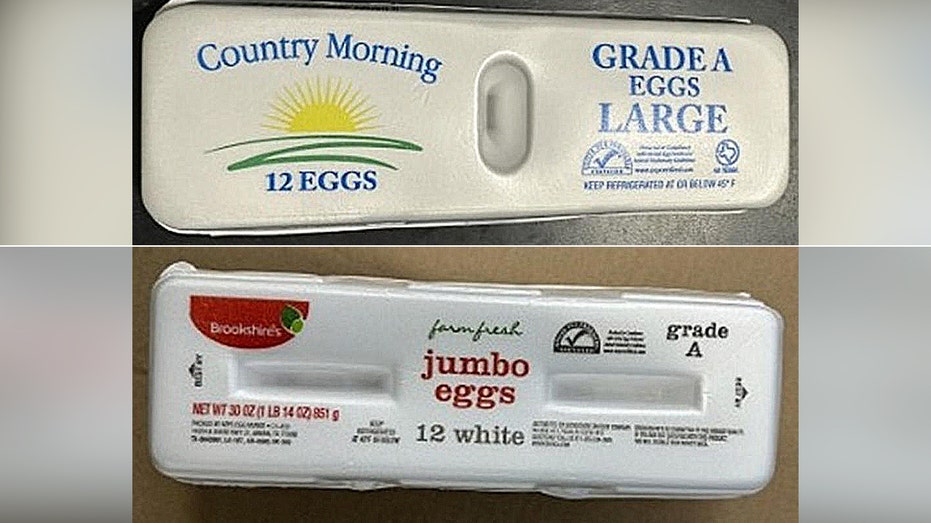
The current recall includes eggs sold under brands such as Kroger, Simple Truth, Brookshire’s, Country Morning, and Cal-Maine Sunups, produced by Midwest Poultry Services, L.P.
Why are 19 million eggs being recalled?
Nearly 19 million eggs were recalled due to possible Salmonella Enteritidis contamination, which can cause serious foodborne illness if the eggs are consumed.
Where are the recalled eggs sold?
The recalled eggs were sold in Texas, Oklahoma, Louisiana, Arkansas, New Mexico, and Mississippi through retailers including Kroger, Brookshire Grocery stores, and other smaller outlets.
What eggs from Walmart have been recalled?
According to current recall information, the recalled eggs were primarily sold through Kroger, Brookshire Grocery, and other regional retailers. Consumers who shop at Walmart should check the retailer’s recall page for any updates, as Walmart posts product recalls if affected items are sold there.
YOU MAY ALSO READ

wellcome to glamnetworth i am rimsha razzaq and AI-Powered SEO , and containt writer with four years of experince i help website rank higher, grow traffic, and look amazing . my goal is to make SEO and web design simple and effective for everyone . Lets achieve more together|
