
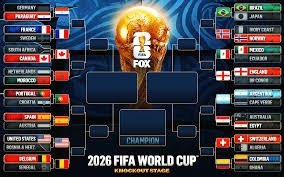
The FIFA World Cup 2026 bracket is one of the biggest talking points among football fans worldwide. With the tournament expanding to 48 teams for the first time, the knockout stage will be larger, more competitive, and more exciting than ever before. Every football supporter wants to know how the bracket works, how teams qualify, and what the road to the final looks like.
Unlike previous World Cups, the 2026 edition introduces a new tournament format that changes the structure of the knockout rounds. Fans will witness more matches, more opportunities for underdog nations, and a completely redesigned bracket. Whether you’re following your favorite national team or simply enjoying world-class football, understanding the bracket helps you appreciate every stage of the competition.
In this complete guide, you’ll learn everything about the FIFA World Cup 2026 bracket, including how it works, the tournament structure, the Round of 32, the path to the final, and why this new format is considered one of the biggest changes in FIFA World Cup history.
What Is the FIFA World Cup 2026 Bracket?
The FIFA World Cup 2026 bracket is the tournament’s knockout roadmap. It shows how qualified teams move from one round to the next until only two nations remain to compete in the final.
Unlike league competitions where teams earn points throughout a season, the World Cup knockout bracket is a single-elimination format. Once a team loses a knockout match, its journey ends immediately. This creates high-pressure football where every goal, save, and tactical decision matters.
The bracket begins after the group stage concludes. Teams that successfully qualify from their groups enter the knockout rounds, where every match becomes a win-or-go-home contest. This format is one of the main reasons the FIFA World Cup is considered the most exciting football tournament on the planet.
How the New 2026 World Cup Format Changes the Bracket
The FIFA World Cup 2026 introduces a major expansion from 32 teams to 48 teams. Because of this increase, FIFA redesigned the tournament bracket to accommodate more participating nations while maintaining competitive balance.
Instead of the traditional Round of 16 immediately following the group stage, the new format adds an extra knockout round called the Round of 32. This means teams will need to win one additional match before reaching the latter stages of the tournament.
The expanded bracket also creates more opportunities for nations that previously struggled to qualify. Countries from Asia, Africa, North America, and Oceania will receive additional qualification spots, making the competition more diverse and unpredictable.
FIFA World Cup 2026 Tournament Structure
The tournament follows a clear progression from the group stage to the championship match.
Group Stage
The tournament begins with 48 teams divided into 12 groups of four teams each. Every team plays three group matches against the other teams in its group.
The top teams advance based on points earned through wins and draws. Goal difference and goals scored serve as tiebreakers if teams finish level on points.
The group stage remains one of the most entertaining parts of the competition because every match can dramatically affect qualification.
Round of 32
The biggest addition to the 2026 tournament is the Round of 32.
This stage features 32 qualified teams competing in single-elimination matches. Winners advance, while losers are immediately eliminated from the tournament.
Because of the additional knockout round, teams hoping to become world champions must now survive more high-pressure matches than ever before.
Round of 16
The sixteen remaining teams continue into another knockout phase.
At this point, every nation left is considered a serious championship contender. Tactical adjustments become increasingly important as managers prepare for stronger opponents.
Many memorable World Cup matches have historically taken place during this stage because the competition reaches another level of intensity.
Quarterfinals: Where the Championship Race Gets Serious
The quarterfinals feature the best eight teams remaining in the tournament.
By this stage, every nation has already proven its quality against elite competition. Matches are often decided by individual brilliance, tactical discipline, or even penalty shootouts after extra time.
Quarterfinal football usually showcases the highest level of technical ability because only the strongest teams remain. Fans can expect dramatic finishes, world-class goals, and unforgettable performances.
Winning a quarterfinal guarantees a place in the semifinals, putting teams just two victories away from lifting the FIFA World Cup trophy.
Semifinals and Third-Place Match
The semifinals determine which two nations reach the World Cup Final.
Pressure is at its absolute highest because only one victory separates teams from competing for football’s greatest prize. Every mistake becomes costly, and every opportunity matters.
The two losing semifinalists don’t leave empty-handed. They compete in the third-place playoff, which determines the tournament’s bronze medal winner.
Although the third-place match doesn’t decide the champion, it remains an important fixture that allows teams to finish the tournament positively and gives players another chance to represent their country with pride.
The FIFA World Cup 2026 Final
The final is the biggest football match in the world.
After weeks of competition, only two national teams remain standing. Every player dreams of reaching this stage because winning the FIFA World Cup represents the highest achievement in international football.
The atmosphere during the final is unmatched. Millions of fans fill the stadium while billions more watch from around the globe. Every tackle, pass, and shot carries enormous significance.
The winning team lifts the iconic FIFA World Cup Trophy and becomes world champion for the next four years, creating unforgettable sporting history.
How Teams Qualify for the Knockout Bracket
Qualification for the knockout bracket begins during the group stage.
Each team earns three points for a win, one point for a draw, and zero points for a loss. After all group matches are completed, standings determine which teams move forward.
Goal difference becomes extremely important when teams finish level on points. If necessary, additional tiebreakers such as goals scored and fair play records help determine qualification.
Once the knockout stage begins, standings no longer matter. Every match becomes a direct elimination contest where only victory keeps a team alive.
Why the Expanded Bracket Is Good for Football
The larger World Cup bracket creates exciting opportunities for players, fans, and developing football nations.
More countries now have realistic qualification chances, increasing global representation. Nations that previously missed the tournament may now experience the excitement of competing on football’s biggest stage.
Fans benefit from more World Cup matches, more dramatic storylines, and additional opportunities to watch elite international football.
The expanded format also encourages football development worldwide by giving emerging nations greater motivation to invest in youth academies, coaching, and infrastructure.
Teams Most Likely to Make Deep Bracket Runs
Every World Cup features favorites expected to challenge for the title.
Traditional football powers such as Brazil, Argentina, France, Germany, Spain, England, Portugal, Italy, and the Netherlands usually enter the tournament among the strongest contenders. Their experience, squad depth, and tactical quality often help them navigate the knockout rounds successfully.
However, World Cup history regularly produces surprise teams that outperform expectations. Nations like Morocco in 2022 demonstrated that disciplined defending, tactical organization, and team chemistry can overcome even the tournament favorites.
The expanded bracket increases the possibility of unexpected Cinderella stories, making every knockout match even more unpredictable.
Tips for Following the FIFA World Cup 2026 Bracket
Following the bracket becomes much easier if you understand how each stage connects.
Keep track of group standings throughout the opening matches because final positions determine future knockout opponents. A single goal in the group stage can completely change a team’s path toward the final.
Watching the bracket develop also helps fans predict potential blockbuster matchups. Two tournament favorites may meet earlier than expected if one finishes second in its group.
Finally, remember that knockout football often rewards discipline and resilience rather than flashy attacking play. Teams capable of defending under pressure frequently enjoy the deepest tournament runs.
Final Thoughts
The FIFA World Cup 2026 bracket represents one of the biggest structural changes in World Cup history. With 48 participating teams, a brand-new Round of 32, and more knockout matches than ever before, the tournament promises even greater excitement for football fans across the globe.
Understanding how the bracket works allows fans to follow every stage with confidence, from the opening group matches to the unforgettable World Cup Final. Every round brings new challenges, dramatic eliminations, and unforgettable moments that define international football.
As the world’s best national teams compete for football’s greatest prize, the 2026 World Cup bracket will provide countless memorable matches, thrilling upsets, and historic achievements. Whether you’re cheering for a traditional powerhouse or an emerging football nation, the expanded bracket ensures that the road to becoming world champion will be more competitive and entertaining than ever before.

wellcome to glamnetworth i am rimsha razzaq and AI-Powered SEO , and containt writer with four years of experince i help website rank higher, grow traffic, and look amazing . my goal is to make SEO and web design simple and effective for everyone . Lets achieve more together|
