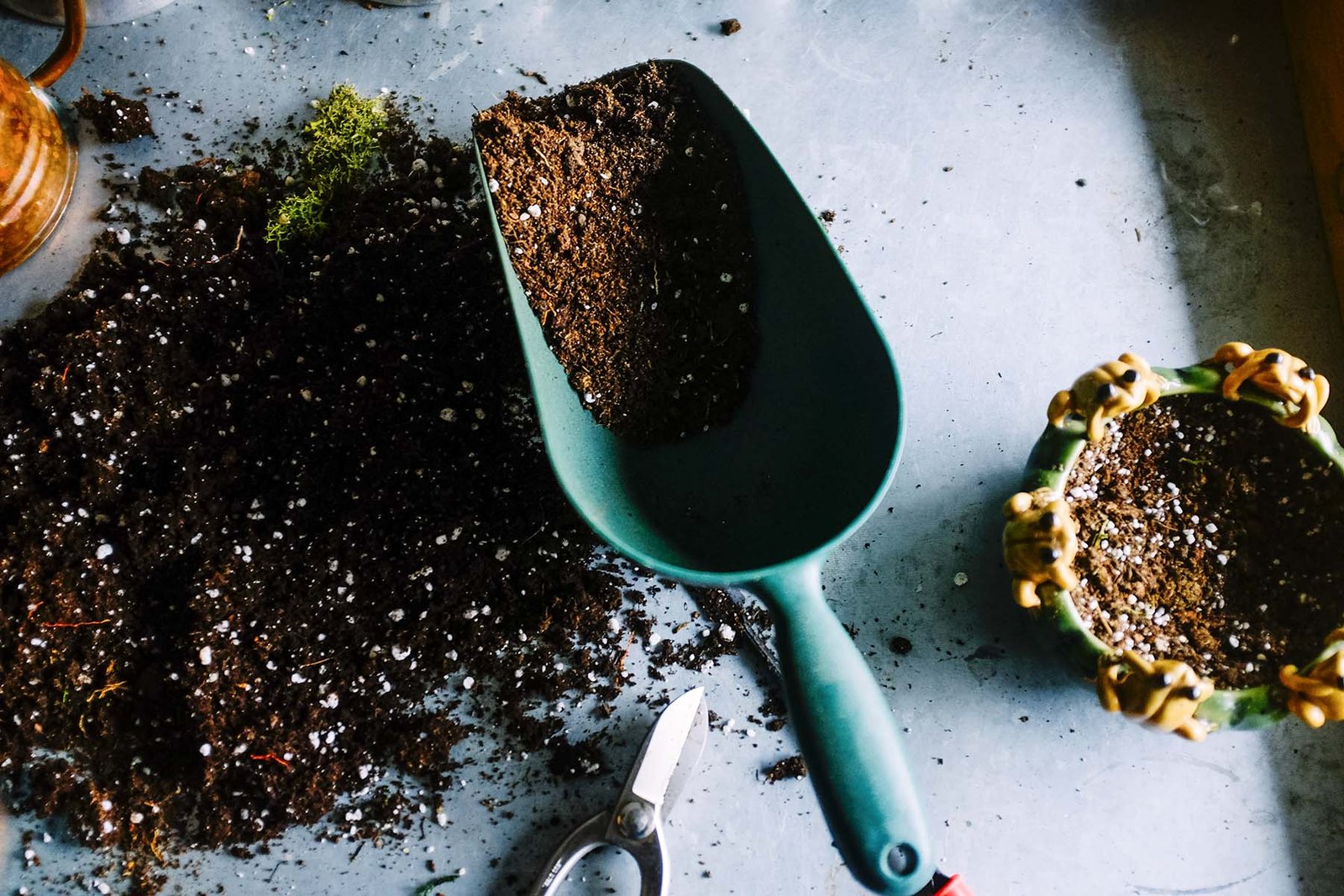

Indoor Plant Soil Indoor plants can completely change the feel of a home. They add color, texture, freshness, and a little touch of nature to rooms that might otherwise feel ordinary. But while lighting and watering get most of the attention, indoor plant soil is just as important. In fact, the right soil can make the difference between a houseplant that grows steadily and one that struggles with yellow leaves, root problems, or slow growth.
Choosing soil for indoor plants is not simply about grabbing a bag labeled “potting soil” and putting it into a container. Different plants have different needs, and indoor growing conditions are very different from outdoor gardens. A pot inside your home has limited space, restricted drainage, and less natural airflow around the roots.
This guide explains everything you need to know about indoor plant soil, including what makes a good potting mix, which ingredients matter, how to make your own mix, how often to replace soil, and how to choose the right mixture for popular houseplants.
What Is Indoor Plant Soil?
Indoor plant soil is a growing medium designed specifically for plants grown in containers inside homes, offices, apartments, and other enclosed spaces. Unlike ordinary garden soil, a quality indoor potting mix is usually lighter, more controlled, and designed to provide proper drainage and airflow around plant roots.
Garden soil can be too dense for containers. When placed in a pot, it may become compacted and hold too much moisture. This can reduce the amount of oxygen reaching the roots and increase the possibility of root rot. Indoor plants generally perform better in a medium that balances moisture retention with drainage.
The ideal indoor plant soil also provides enough physical support for the plant while allowing roots to expand. It should not become rock-hard when dry or turn into a muddy mass after watering. A healthy potting mix has enough structure to maintain air pockets while still holding some moisture and nutrients.
Why the Right Soil Matters for Houseplants
Roots are essentially the foundation of a plant. They absorb water and nutrients, anchor the plant, and interact with oxygen in the growing medium. If the soil is poorly structured, even a plant receiving the right amount of sunlight may struggle.
One of the biggest problems with unsuitable indoor soil is poor drainage. When water remains around the roots for too long, the roots may become stressed and eventually decay. This is especially common with plants that naturally grow in environments where water drains quickly.
On the other hand, soil that drains too quickly can also create problems. If water immediately runs through the pot without adequately moistening the root zone, plants may become dehydrated. Good indoor plant soil therefore needs a balance between water retention, drainage, aeration, and structure.
What Makes the Best Indoor Plant Soil?
The best indoor plant soil usually contains a combination of materials rather than one single ingredient. A balanced potting mix may include ingredients such as coco coir or peat moss, perlite, pine bark, compost, and other organic materials.
Coco coir and peat moss help retain moisture while keeping the growing medium relatively lightweight. Coco coir is particularly popular because it can provide good moisture management and is commonly used in modern potting mixes. Peat moss also retains water effectively, although gardeners may consider environmental factors when deciding whether to use it.
Perlite is another important ingredient. These small, lightweight white particles help create air spaces and improve drainage. For plants that dislike consistently wet roots, adding perlite can make a significant difference.
Indoor Plant Soil vs. Garden Soil
It may seem convenient to take soil from the backyard and use it for houseplants, but this is usually not the best approach. Garden soil is formulated by nature for outdoor conditions, where rainfall, worms, insects, microorganisms, and a much larger soil ecosystem help maintain structure.
Inside a container, garden soil can become compacted relatively quickly. Compact soil restricts airflow and makes it harder for excess water to escape. It can also make containers unnecessarily heavy, which is inconvenient when moving houseplants around your home.
Indoor potting mixes are generally designed to avoid these problems. They tend to be lighter and more porous, making them more suitable for containers. For most common houseplants, a quality commercial potting mix is a safer starting point than ordinary outdoor garden soil.
Common Ingredients in Indoor Plant Soil
Understanding potting mix ingredients makes it much easier to choose the right product. Coco coir is a fibrous material derived from coconut husks and is commonly used to hold moisture while maintaining a light texture.
Perlite improves aeration and drainage. It does not provide significant nutrition on its own, but its physical structure helps prevent the growing medium from becoming excessively dense. Vermiculite can also be used in some mixes because it retains moisture and nutrients.
Pine bark and similar bark materials can add structure and improve air circulation around roots. Compost may provide organic matter and nutrients, although too much compost can make some mixes excessively moisture-retentive.
Some specialty potting mixes also contain materials such as pumice, horticultural charcoal, sand, or mineral components. The best combination depends on the plant. A moisture-loving tropical plant may prefer a different mixture from a cactus or succulent.
How to Make Your Own Indoor Plant Soil
Making your own indoor plant soil can be surprisingly simple. The advantage is that you can adjust the texture based on the plant you are growing rather than relying on one universal mix.
For many common tropical houseplants, you can start with a basic potting mix and improve its structure by adding perlite and a small amount of bark. A practical starting point is roughly two parts quality potting mix, one part perlite, and one part fine orchid bark or similar bark material. You can adjust the proportions depending on how quickly the mix dries in your home.
For plants that prefer drier conditions, such as many succulents, you can use a much more mineral-heavy mixture. The goal is to create a medium that drains rapidly and does not remain saturated for long periods.
Always work with clean containers and clean tools when preparing homemade soil. Avoid using materials that may contain pests, disease, chemicals, or unknown contaminants. A homemade mix is only useful if the ingredients are safe and suitable for indoor gardening.
Best Indoor Plant Soil for Different Types of Plants
Different houseplants have different soil preferences. A Monstera, for example, generally benefits from a loose and airy mix that allows excess water to drain while maintaining some moisture around its roots.
Pothos and many other tropical foliage plants can also perform well in a well-draining houseplant mix. These plants appreciate moisture but generally do not want their roots sitting in stagnant water for extended periods.
Succulents and cacti require a different approach. Their soil should drain much faster than a typical tropical houseplant mixture. A cactus or succulent mix containing substantial mineral material can help prevent prolonged moisture around the roots.
Plants such as African violets can also benefit from specialized soil. Their delicate roots often perform better in a light, porous growing medium rather than heavy general-purpose soil.
How to Know If Your Indoor Plant Soil Is Bad
Your plant can often tell you when something is wrong with its soil. One common warning sign is water sitting on the surface instead of gradually soaking into the mix. This can happen when soil has become compacted or hydrophobic after drying out excessively.
Another problem is soil that stays wet for a very long time after watering. If the top layer remains damp for many days and the plant begins developing yellow leaves, wilting, or unpleasant-smelling soil, poor drainage may be involved.
A very hard or compressed soil surface is another warning sign. Healthy potting soil should maintain some structure and air spaces. If the growing medium has collapsed into a dense block, repotting may be necessary.
You should also pay attention to pests. Small flying insects around the soil can sometimes indicate fungus gnat activity, particularly when the growing medium stays consistently moist. Improving watering practices and allowing the appropriate plants to dry between waterings can help reduce favorable conditions for these pests.
How Often Should You Replace Indoor Plant Soil?
Indoor plant soil does not necessarily need to be replaced on a strict yearly schedule. The right timing depends on the plant, pot, growing conditions, and condition of the soil.
Over time, organic materials can break down and the potting mix may lose its original structure. It may become compacted, drain differently, or contain fewer available nutrients. Roots can also fill the container, leaving little room for fresh growing medium.
Repotting is often appropriate when a plant becomes root-bound, the soil drains poorly, the plant has stopped growing despite good care, or the potting mix has significantly deteriorated. Spring and early summer are commonly convenient times for repotting because many houseplants are actively growing during these seasons.
How to Use Indoor Plant Soil Correctly
Even excellent soil cannot compensate for poor watering. When repotting, choose a container with appropriate drainage and make sure the potting mix is evenly distributed around the roots. Avoid compressing the soil too tightly because roots need access to oxygen.
After repotting, water according to the plant’s specific needs. For many houseplants, it is better to check the soil moisture before watering rather than following a rigid calendar. Temperature, humidity, pot size, plant size, and sunlight can all affect how quickly soil dries.
Do not automatically water a plant simply because the surface looks dry. The top layer can dry while deeper soil remains moist. Insert your finger into the soil or use another suitable moisture-checking method to determine whether the root zone actually needs water.
Common Indoor Plant Soil Mistakes to Avoid
One of the most common mistakes is using heavy garden soil in indoor containers. As mentioned earlier, garden soil can compact and interfere with drainage and airflow. A purpose-made indoor potting mix is usually a better choice.
Another mistake is assuming that more fertilizer automatically means healthier plants. Fertilizer should supplement a suitable growing medium, not compensate for poor soil. Excess fertilizer can cause salt buildup and damage roots.
Overwatering is another major issue. Many people believe that watering frequently is a sign of good plant care, but plants need oxygen around their roots as well as water. Soil that remains saturated for long periods can create serious problems.
Finally, avoid choosing soil based solely on price. A quality potting mix is one of the most important supplies you can purchase for a houseplant. Spending a little more on a suitable growing medium can save you from replacing unhealthy plants later.
Final Thoughts on Choosing Indoor Plant Soil
Choosing the right indoor plant soil is one of the easiest ways to give houseplants a stronger foundation. Healthy roots depend on a growing medium that provides the right combination of moisture, drainage, nutrients, and oxygen.
There is no single soil mixture that works perfectly for every plant. Tropical foliage plants, succulents, cacti, orchids, and flowering houseplants can all have different preferences. Learning what your particular plant needs will help you choose or create a much better growing medium.
The best approach is to keep things simple. Start with a quality indoor potting mix, improve drainage with materials such as perlite when necessary, choose specialized mixes for plants with unusual requirements, and always pay attention to how quickly your soil dries. With the right growing medium and sensible watering habits, your indoor plants have a much better chance of producing healthy roots and consistent new growth.
People Also Ask
What is the best soil for indoor plants?
A light, well-draining potting mix containing moisture-retaining material and aeration ingredients such as perlite works well for many common indoor plants.
Can I use regular garden soil for indoor plants?
Garden soil is generally too dense for containers. Indoor plants usually perform better in a lightweight potting mix designed for containers.
How often should I change indoor plant soil?
Replace or refresh soil when it becomes compacted, drains poorly, breaks down significantly, or when the plant needs repotting.
Is potting soil good for indoor plants?
Yes. A quality potting mix specifically designed for containers is generally a good choice for many houseplants.
Can I make my own indoor plant soil?
Yes. You can combine a quality potting mix with ingredients such as perlite and bark to create a lighter, more breathable growing medium.

wellcome to glamnetworth i am rimsha razzaq and AI-Powered SEO , and containt writer with four years of experince i help website rank higher, grow traffic, and look amazing . my goal is to make SEO and web design simple and effective for everyone . Lets achieve more together|
