
Introduction
The conflict between the United States and Iran has entered another dangerous phase, with the U.S. military confirming its seventh consecutive night of airstrikes against Iranian targets. At the same time, commercial shipping through the Strait of Hormuz—one of the world’s most important energy corridors—has slowed dramatically as security concerns continue to rise.
The latest developments have drawn global attention because the Strait of Hormuz is responsible for transporting a significant share of the world’s oil and liquefied natural gas. Any disruption in this narrow waterway has immediate consequences for fuel prices, shipping costs, international trade, and geopolitical stability. Reports indicate that many shipping companies are delaying or suspending voyages through the region due to the heightened military threat.
As governments monitor the rapidly evolving situation, businesses, investors, and consumers are also watching closely. This article examines the latest military developments, why the Strait of Hormuz matters so much, how global markets are reacting, and what could happen next if tensions continue to escalate.
U.S. Confirms Seventh Consecutive Night of Airstrikes
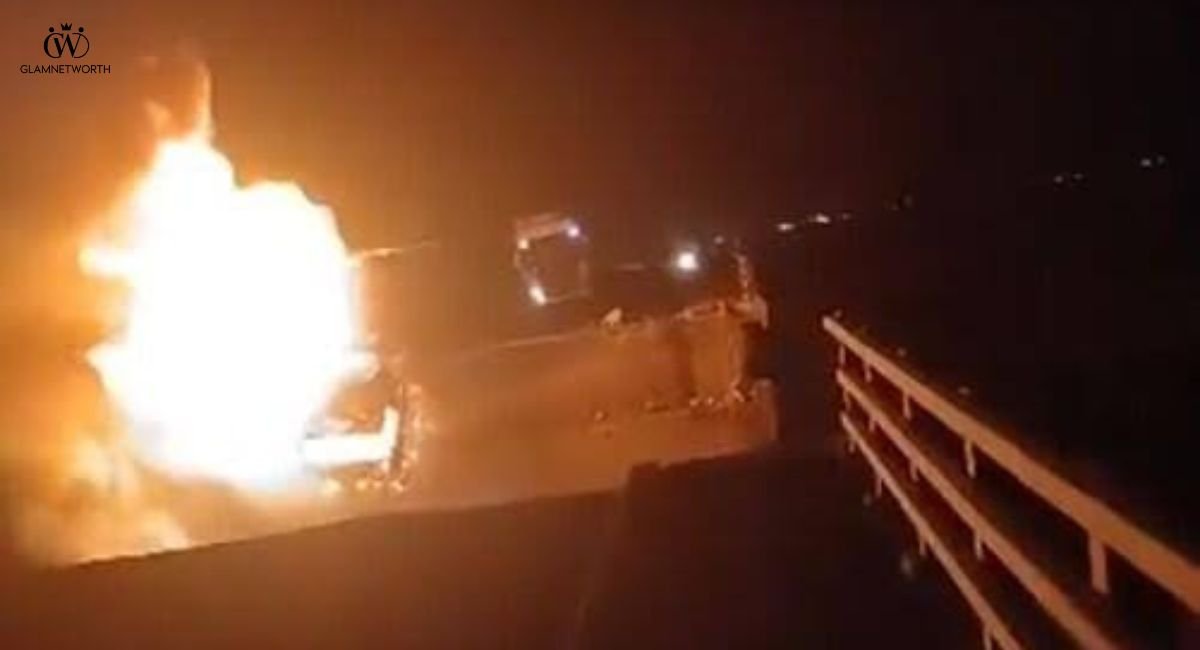
The U.S. military announced that it had completed another round of strikes against Iranian targets, marking seven straight nights of military operations. Officials described the campaign as part of ongoing efforts to respond to Iranian military activity and protect American interests in the region. While specific operational details remain limited, officials have confirmed that the campaign is continuing.
Military analysts note that sustained operations over an entire week demonstrate a long-term strategy rather than a one-time retaliatory response. Consecutive strikes require extensive planning, intelligence gathering, logistical support, and coordination among air and naval forces stationed throughout the Middle East.
The continuation of military action has also increased diplomatic tensions. Several governments have urged restraint, warning that prolonged fighting raises the possibility of broader regional instability involving additional countries and armed groups.
Why the Strait of Hormuz Is So Important
The Strait of Hormuz connects the Persian Gulf with the Gulf of Oman and the Arabian Sea. Although relatively narrow, it serves as one of the world’s busiest maritime trade routes for crude oil and natural gas exports.
A significant portion of global energy supplies passes through this strategic chokepoint every day. Countries including Saudi Arabia, the United Arab Emirates, Kuwait, Iraq, and Qatar depend heavily on this route to export energy to markets across Asia, Europe, and North America.
Because global energy markets rely on uninterrupted shipping through Hormuz, even the threat of military conflict can cause immediate increases in oil prices, shipping insurance costs, and freight rates. Investors often react quickly whenever security conditions deteriorate in the region.
Shipping Traffic Slows as Security Risks Increase
One of the biggest developments during the latest escalation has been the sharp decline in commercial vessel traffic through the Strait of Hormuz.
Industry experts report that many shipping companies are choosing to delay departures rather than expose vessels and crews to potential missile, drone, or naval attacks. Some analysts have described conditions as a virtual standstill, with operators waiting for improved security before resuming normal operations.
Insurance premiums for ships entering the Gulf have also increased substantially. Marine insurers typically reassess risk whenever military conflict threatens major shipping lanes, making voyages more expensive even for vessels that ultimately complete their journeys.
For energy companies, delayed shipments can affect supply chains, refinery schedules, and fuel inventories around the world. Although strategic reserves may help offset short-term shortages, prolonged disruption could place additional pressure on global energy markets.
Global Markets React to the Escalating Conflict
Financial markets are closely monitoring every development in the U.S.-Iran conflict because geopolitical uncertainty often affects commodity prices, currencies, and investor confidence.
Oil prices generally move higher whenever there are concerns about supply disruptions in the Middle East. Since the Strait of Hormuz handles a large share of global oil exports, traders often build a “risk premium” into prices whenever military activity intensifies.
Shipping companies, airlines, manufacturers, and logistics providers are also paying close attention. Higher fuel costs increase transportation expenses, which can eventually affect consumer prices for goods ranging from groceries to electronics.
Stock markets have shown mixed reactions, with energy companies sometimes benefiting from higher crude prices while industries dependent on affordable fuel may experience increased costs. Central banks and governments are also watching inflation risks that could result from sustained energy price increases.
Iran’s Response and Rising Regional Tensions
Iran has strongly condemned the continued U.S. military strikes, calling them a violation of its sovereignty and warning that it reserves the right to respond. Iranian officials have repeatedly stated that they will defend their territory and strategic interests if military operations continue. While the exact nature of any future response remains uncertain, the rhetoric from both sides suggests that tensions remain extremely high.
The broader Middle East is also feeling the effects of the conflict. Neighboring countries have increased security around military installations, ports, and energy infrastructure, fearing that the fighting could spread beyond the current areas of operation. Several governments have urged restraint while encouraging diplomatic efforts to prevent a wider regional war.
Regional allies of both the United States and Iran are carefully evaluating their next steps. Military analysts believe that even limited retaliatory actions could increase the risk of miscalculations, making diplomatic communication more important than ever. As long as military operations continue, the possibility of further escalation remains a major concern for policymakers around the world.
Impact on Global Oil Prices and Energy Markets
Energy markets have reacted quickly to the latest developments because the Middle East remains one of the world’s largest sources of crude oil exports. Any disruption to production or shipping immediately influences global supply expectations.
Oil prices have experienced increased volatility as traders assess the possibility of prolonged shipping delays through the Strait of Hormuz. Investors are also watching whether major oil-producing countries can maintain export levels if maritime traffic remains restricted. Even temporary disruptions can tighten supply and push prices higher.
Natural gas markets have also attracted attention, particularly because Qatar exports a significant amount of liquefied natural gas (LNG) through the Strait of Hormuz. European and Asian buyers are monitoring shipments closely to ensure energy supplies remain stable during the ongoing crisis.
Diplomatic Efforts to Prevent Further Escalation
Despite the ongoing military operations, international diplomacy continues behind the scenes. Governments across Europe, Asia, and the Middle East are encouraging dialogue between Washington and Tehran to reduce the risk of a prolonged conflict.
International organizations have also expressed concern about the humanitarian and economic consequences of continued fighting. Diplomats argue that maintaining open communication channels is essential to preventing accidental escalation and protecting civilian populations throughout the region.
Many analysts believe diplomacy remains the best path toward reducing tensions. While military operations may continue in the short term, negotiations involving regional partners and global powers could eventually create opportunities for de-escalation and renewed discussions on regional security.
What Could Happen Next?
The coming days will likely determine whether the conflict continues to intensify or begins moving toward diplomatic negotiations. Military experts suggest several possible scenarios, including additional airstrikes, limited retaliatory actions, increased naval patrols, or internationally mediated ceasefire discussions.
Shipping companies will continue monitoring security conditions before fully resuming normal operations through the Strait of Hormuz. If the waterway remains unstable, global supply chains could experience further delays, increasing transportation costs and affecting international trade.
Investors, policymakers, and businesses worldwide will closely watch official statements from both governments. Markets tend to react quickly to any indication of escalation or progress toward diplomacy, making the situation one of the most closely followed geopolitical developments of the year.
Conclusion
The latest Iran war updates highlight how quickly regional military actions can influence global markets, international trade, and geopolitical stability. With the United States completing a seventh consecutive night of strikes and commercial shipping slowing significantly in the Strait of Hormuz, governments and businesses alike are preparing for continued uncertainty.
Although military operations dominate current headlines, diplomatic efforts remain critical to preventing a wider regional conflict. The Strait of Hormuz continues to serve as one of the world’s most strategically important waterways, meaning any disruption there carries consequences far beyond the Middle East.
As the situation evolves, verified information from official sources will remain essential. Whether the coming weeks bring further escalation or renewed diplomatic engagement, the conflict is expected to remain one of the defining international stories of 2026.
FAQs
Is the Iran war over with the US?
No. As of the latest reports, fighting and military strikes are continuing, and there is no confirmed permanent peace agreement between the United States and Iran.
Can the Strait of Hormuz be bypassed?
Partially. Some Gulf countries can export oil through alternative pipelines, but most shipments still rely on the Strait of Hormuz, making it difficult to fully bypass.
Why is Trump fighting Iran?
According to the Trump administration, the military operations are intended to counter Iranian attacks, protect U.S. forces and allies, and maintain freedom of navigation through the Strait of Hormuz.
Who is Iran’s biggest ally?
Iran’s closest strategic partners are generally considered to be Russia and China, with both countries maintaining strong political, economic, and military ties with Tehran.
YOU MAY ALSO READ

wellcome to glamnetworth i am rimsha razzaq and AI-Powered SEO , and containt writer with four years of experince i help website rank higher, grow traffic, and look amazing . my goal is to make SEO and web design simple and effective for everyone . Lets achieve more together|