Home Blog Page 19

Food: A Complete Guide to Healthy Eating, Nutrition, and Better Living

0

Food is much more than something we eat to satisfy hunger. It is the fuel that powers our bodies, supports our immune system, and helps us stay physically and mentally healthy. The food choices we make every day can affect our energy levels, mood, weight, and long-term health. Whether you’re trying to eat healthier, lose weight, or simply understand nutrition better, learning about food is the first step.

In today’s fast-paced world, convenience often takes priority over nutrition. Fast food, processed snacks, and sugary drinks have become common in many diets. However, making informed food choices doesn’t have to be difficult. With a little knowledge and planning, anyone can enjoy delicious meals while maintaining a balanced lifestyle.

This guide explores everything you need to know about food, including different food groups, nutritional benefits, healthy eating habits, common mistakes, and practical tips for creating a healthier diet.


Why Food Is Essential for Good Health

Food provides the nutrients our bodies need to function properly. Every organ, muscle, and cell depends on a steady supply of vitamins, minerals, carbohydrates, proteins, and healthy fats.

Without proper nutrition, the body becomes more vulnerable to illness, fatigue, poor concentration, and chronic diseases. Eating a variety of nutrient-rich foods supports growth, repair, and overall well-being throughout every stage of life.

Healthy food also plays an important role in mental health. Nutrient-rich diets have been linked to better mood, improved memory, and reduced risk of depression and anxiety. A balanced diet benefits both the body and the mind.


Understanding the Main Food Groups

Knowing the major food groups helps you create balanced meals.

Fruits

Fruits are packed with vitamins, minerals, antioxidants, and dietary fiber. Apples, bananas, berries, oranges, and grapes all provide essential nutrients that support immunity and digestion.

Eating fresh fruit instead of sugary desserts is a healthier way to satisfy your sweet tooth while getting natural vitamins.

Experts recommend consuming a variety of colorful fruits throughout the week to maximize nutritional benefits.

Vegetables

Vegetables are among the healthiest foods available. Leafy greens, broccoli, carrots, peppers, tomatoes, and cucumbers provide essential nutrients while being naturally low in calories.

Vegetables help reduce inflammation, improve digestion, and lower the risk of chronic diseases such as heart disease and diabetes.

Aim to fill half of your plate with vegetables during lunch and dinner.

Protein Foods

Protein helps build muscles, repair tissues, and support immune function.

Healthy protein sources include:

  • Chicken
  • Turkey
  • Fish
  • Eggs
  • Beans
  • Lentils
  • Tofu
  • Greek yogurt
  • Nuts

Including protein in every meal helps you stay full longer and supports muscle growth.

Whole Grains

Whole grains provide long-lasting energy because they contain complex carbohydrates and fiber.

Examples include:

  • Brown rice
  • Oats
  • Whole wheat bread
  • Quinoa
  • Barley

Unlike refined grains, whole grains retain valuable nutrients that promote digestive and heart health.

Dairy

Milk, yogurt, and cheese supply calcium, protein, and vitamin D, helping maintain strong bones and teeth.

People who are lactose intolerant can choose lactose-free or plant-based fortified alternatives.


Important Nutrients Found in Food

Every nutrient has a unique function in the body.

Carbohydrates

Carbohydrates are the body’s main energy source. Healthy carbohydrates come from fruits, vegetables, legumes, and whole grains.

Protein

Protein supports muscle development, hormone production, and tissue repair.

Healthy Fats

Healthy fats found in avocados, olive oil, nuts, seeds, and fatty fish support brain health and hormone balance.

Vitamins

Vitamins strengthen immunity, improve vision, support metabolism, and maintain healthy skin.

Minerals

Minerals like calcium, potassium, magnesium, and iron help regulate body functions and maintain strong bones.

Fiber

Fiber improves digestion, lowers cholesterol, controls blood sugar, and promotes fullness after meals.


Benefits of Eating Healthy Food

Healthy eating offers numerous short-term and long-term advantages.

One of the biggest benefits is increased energy. Nutritious meals provide steady fuel without causing energy crashes associated with sugary foods.

Healthy eating also supports weight management. Foods rich in protein and fiber help control appetite naturally.

Another major advantage is disease prevention. Diets rich in fruits, vegetables, and whole grains lower the risk of heart disease, obesity, high blood pressure, and type 2 diabetes.

Eating nutritious food also improves skin health, strengthens bones, enhances digestion, and boosts immune function.

Finally, a balanced diet contributes to better mental focus, improved productivity, and higher overall quality of life.


Foods You Should Eat More Often

Many experts recommend including these nutritious foods regularly:

  • Leafy green vegetables
  • Fresh berries
  • Apples
  • Bananas
  • Salmon
  • Tuna
  • Eggs
  • Greek yogurt
  • Oatmeal
  • Brown rice
  • Sweet potatoes
  • Avocados
  • Almonds
  • Walnuts
  • Beans
  • Lentils
  • Chickpeas
  • Olive oil
  • Seeds

These foods are nutrient-dense and support overall health.


Foods to Limit

Not every food needs to be completely avoided, but moderation is important.

Try limiting:

  • Sugary drinks
  • Candy
  • Cakes
  • Pastries
  • Processed meats
  • Deep-fried foods
  • Chips
  • Fast food
  • Excessive alcohol
  • Highly processed snacks

These foods often contain excessive sugar, unhealthy fats, sodium, and calories while providing little nutritional value.

Replacing processed foods with whole foods is one of the easiest ways to improve your diet.


Healthy Eating Habits for Everyday Life

Healthy eating isn’t about following strict diets. It’s about building sustainable habits.

Start by eating regular meals instead of skipping breakfast or lunch.

Drink plenty of water throughout the day because hydration is just as important as nutrition.

Practice portion control rather than overeating.

Cook more meals at home whenever possible. Home-cooked meals usually contain fewer calories and less sodium than restaurant food.

Read nutrition labels to understand what you’re eating.

Plan meals in advance to avoid unhealthy last-minute choices.

Eat slowly and pay attention to hunger signals instead of eating out of boredom.


Common Nutrition Mistakes People Make

Many people unknowingly make mistakes that affect their health.

One common mistake is skipping meals, which often leads to overeating later.

Another mistake is eliminating entire food groups without medical advice. Most people benefit from balanced diets rather than extreme restrictions.

Many people also underestimate calories in sugary beverages, coffee drinks, and snacks.

Relying heavily on processed convenience foods reduces overall nutrient intake.

Finally, following fad diets without scientific evidence often leads to temporary results instead of lasting healthy habits.


How to Build a Balanced Plate

A balanced meal doesn’t need to be complicated.

A simple guideline is:

  • Half the plate should contain vegetables and fruits.
  • One-quarter should contain lean protein.
  • One-quarter should contain whole grains.
  • Include healthy fats in moderation.
  • Drink water or unsweetened beverages.

This approach helps ensure your body receives a wide variety of nutrients without excessive calories.


Conclusion

Food plays a central role in every aspect of our health. The right foods provide energy, strengthen the immune system, improve mental performance, and reduce the risk of chronic diseases. Healthy eating isn’t about perfection or strict dieting—it’s about making smarter choices consistently.

By choosing more fruits, vegetables, lean proteins, whole grains, and healthy fats while limiting processed foods and added sugars, you can build habits that support lifelong wellness. Small changes, such as cooking at home, drinking more water, and practicing portion control, can make a significant difference over time.

Remember, every healthy meal is an investment in your future. Start with simple improvements today, and your body will thank you for years to come.


Frequently Asked Questions

What is the #1 unhealthiest food?

Highly processed foods with excessive trans fats, added sugars, and sodium—such as deep-fried fast food—are generally considered among the unhealthiest options.

Can you live on $200 a month for food?

Yes, with careful meal planning, buying in bulk, cooking at home, and choosing affordable staples like rice, beans, oats, and seasonal produce.

What is the 30-30-30 rule for restaurants?

A common version encourages choosing meals with about 30 grams of protein, 30 grams of fiber-rich carbohydrates or vegetables, and eating mindfully to support balanced nutrition.

What are the top 10 best foods?

Some of the healthiest foods include spinach, blueberries, salmon, eggs, oats, yogurt, broccoli, almonds, beans, and sweet potatoes.

Meta Description:
Discover everything about food, healthy eating, nutrition, food groups, balanced diets, and practical tips to improve your health with this complete beginner-friendly guide.

Male Celebrities: Fame, Influence, and the Biggest Stars in Entertainment

0

Male celebrities have a significant impact on entertainment, fashion, sports, business, and social media. From Hollywood actors and chart-topping musicians to athletes and entrepreneurs, these public figures shape global trends and inspire millions of fans. Their influence extends beyond movies and music, affecting lifestyle choices, fashion, philanthropy, and even technology.

In today’s digital age, male celebrities are more accessible than ever. Through platforms like Instagram, TikTok, and YouTube, fans can follow their favorite stars’ daily lives, career milestones, and personal achievements. This connection has made celebrity culture more engaging while increasing the influence of famous personalities worldwide.


What Defines a Male Celebrity?

A male celebrity is a well-known public figure recognized for achievements in entertainment, sports, business, or other industries. Fame often comes from exceptional talent, hard work, media exposure, and public recognition.

Actors become famous through blockbuster films and television series, while musicians earn global popularity with chart-topping songs and sold-out concerts. Professional athletes gain celebrity status through outstanding performances and championship victories. Business leaders and digital creators have also become modern celebrities thanks to innovation and social media.

The definition of celebrity has evolved over the years. Today, influencers, content creators, and entrepreneurs can achieve worldwide fame without traditional media, proving that talent and online engagement are powerful paths to recognition.


The Most Popular Categories of Male Celebrities

Male celebrities come from many different fields, each attracting loyal fan bases around the world.

Hollywood Actors

Hollywood remains one of the biggest sources of global celebrities. Actors such as Leonardo DiCaprio, Tom Cruise, Dwayne Johnson, Ryan Reynolds, and Chris Hemsworth have built successful careers through memorable performances and blockbuster films.

Their popularity often extends beyond acting through production companies, charitable work, and brand endorsements.

Musicians

Male singers and musicians dominate the global music industry. Artists like Justin Bieber, Drake, Ed Sheeran, Bruno Mars, and The Weeknd consistently release chart-topping albums and perform for millions of fans worldwide.

Music celebrities influence fashion, social media trends, and youth culture across different generations.

Athletes

Sports stars are among the world’s most admired male celebrities. Football legends, basketball icons, tennis champions, and Formula One drivers attract enormous global audiences.

Athletes such as Cristiano Ronaldo, Lionel Messi, LeBron James, and Novak Djokovic inspire millions through dedication, discipline, and exceptional talent.

Entrepreneurs

Modern business leaders have also become celebrities. Entrepreneurs like Elon Musk and Mark Zuckerberg receive constant media attention for technological innovations, business ventures, and public appearances.


Why Male Celebrities Have Global Influence

Celebrities shape trends that extend far beyond entertainment. Their choices often influence fashion brands, hairstyles, fitness routines, travel destinations, and consumer purchasing decisions.

Many luxury brands collaborate with famous actors and athletes because their endorsement increases visibility and customer trust. Social media has amplified this influence, allowing celebrities to communicate directly with millions of followers instantly.

Public figures also bring awareness to important social issues. Many celebrities support charities, environmental campaigns, education initiatives, and healthcare programs, encouraging fans to contribute to meaningful causes.


The Role of Social Media in Celebrity Success

Social media has transformed how male celebrities connect with audiences. Platforms such as Instagram, TikTok, X (formerly Twitter), and YouTube allow celebrities to share behind-the-scenes content, promote projects, and interact with fans.

Direct communication helps celebrities build stronger personal brands while increasing engagement. Viral posts, interviews, and live streams often generate millions of views within hours.

For younger celebrities, social media can even launch successful careers before traditional media recognizes their talent. Many actors, musicians, and influencers first gained popularity through online content before achieving mainstream success.


Fashion and Lifestyle Trends Set by Male Celebrities

Male celebrities have become major fashion icons. Whether walking the red carpet or appearing in everyday streetwear, their clothing choices quickly become global trends.

Luxury fashion brands frequently partner with celebrities to promote new collections. Watches, sneakers, suits, fragrances, and accessories often sell out after being worn by famous personalities.

Fitness is another area heavily influenced by celebrities. Many actors undergo intense physical transformations for movie roles, inspiring fans to adopt healthier lifestyles and regular workout routines. Celebrity trainers and nutrition plans have become increasingly popular among fitness enthusiasts.


Challenges That Come With Celebrity Life

While fame offers numerous opportunities, it also presents unique challenges. Constant public attention means celebrities often sacrifice personal privacy.

Rumors, online criticism, paparazzi, and social media pressure can significantly affect mental health. Every public appearance, interview, or social media post may receive widespread scrutiny.

Balancing career demands with family life is another common challenge. Long filming schedules, international tours, and promotional events require considerable dedication, making work-life balance difficult for many celebrities.

Despite these obstacles, many successful male celebrities prioritize mental health, family relationships, and charitable work while maintaining successful careers.


How Male Celebrities Build Lasting Careers

Long-term success requires much more than talent. The most respected celebrities continuously improve their skills while adapting to changing entertainment trends.

Many actors eventually become producers or directors, expanding their creative influence. Musicians launch record labels, fashion brands, or business ventures to diversify their careers.

Strong personal branding also contributes to lasting success. Authenticity, professionalism, and consistent public engagement help celebrities maintain loyal fan communities for decades.

Continuous learning and smart career decisions often separate enduring celebrities from short-lived internet fame.


The Future of Male Celebrity Culture

Technology continues to reshape celebrity culture. Artificial intelligence, virtual reality, streaming services, and digital platforms are changing how audiences consume entertainment.

Streaming platforms have created opportunities for actors from around the world to reach international audiences without traditional Hollywood studios. Social media algorithms continue introducing new creators to global viewers every day.

Future celebrities will likely build careers across multiple industries, combining entertainment, business, technology, and digital content creation into powerful personal brands.


Conclusion

Male celebrities continue to influence entertainment, fashion, sports, business, and digital culture across the globe. Their achievements inspire millions while shaping trends that affect everyday life. Although fame brings significant challenges, successful celebrities combine talent, dedication, adaptability, and strong personal values to maintain lasting careers.

As technology continues to evolve, the definition of celebrity will expand even further. Whether through blockbuster films, hit music, championship victories, or innovative businesses, male celebrities will remain influential figures who entertain, inspire, and connect with audiences worldwide.

Meta Description

Explore the world of male celebrities, their careers, influence, fashion, social media presence, challenges, and lasting impact on entertainment and global culture.

Trump Iran News: Latest Developments, Rising Tensions, and What They Mean

0

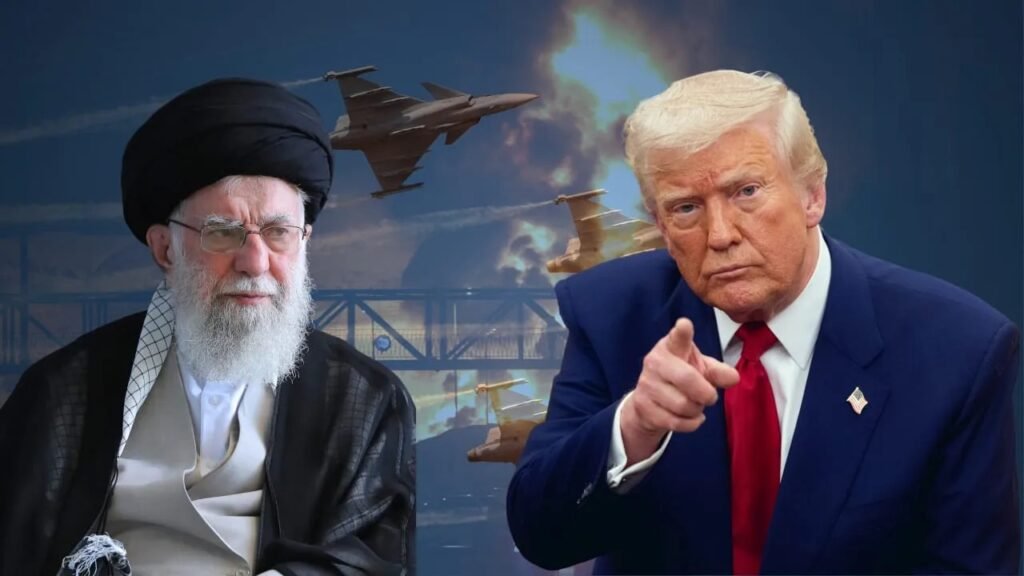
The relationship between the United States and Iran has once again become a major global headline, with Trump Iran news dominating international media. As military activity, diplomatic pressure, and economic uncertainty continue to unfold, the situation remains one of the most closely watched geopolitical stories in the world.

Recent developments have raised concerns about the possibility of a broader regional conflict. President Donald Trump has adopted a tougher stance against Iran, while Tehran has continued to defend its military and nuclear policies. The ongoing tension has affected global oil markets, international diplomacy, and security across the Middle East.

Why Trump and Iran Are Back in the Headlines

The latest Trump Iran news centers around increasing military threats and strategic disagreements between Washington and Tehran. Following renewed hostilities in the region, President Trump warned that the United States would respond aggressively if Iran targeted commercial shipping or American interests.

The Strait of Hormuz, one of the world’s busiest oil shipping routes, has become a focal point of the crisis. Any disruption in this area could significantly affect global energy supplies and increase fuel prices worldwide.

These developments have prompted world leaders to call for restraint while continuing diplomatic efforts to prevent further escalation.

Trump’s Latest Position on Iran

President Trump has repeatedly stated that the United States will not tolerate attacks on American personnel or international shipping. His administration has emphasized maintaining military readiness while also claiming it remains open to negotiations under the right conditions.

Recent statements indicate that the White House believes strong military pressure is necessary to deter future Iranian actions. Trump has also argued that protecting global trade routes is essential for international security.

However, critics argue that increasingly aggressive rhetoric may make diplomatic solutions more difficult to achieve.

Iran’s Response to U.S. Pressure

Iran has strongly rejected American accusations and maintains that its military activities are defensive in nature. Iranian officials have condemned U.S. military operations and warned that any further attacks would receive a firm response.

Tehran also continues to insist that its nuclear program serves peaceful purposes, although Western governments remain skeptical about Iran’s long-term intentions. The disagreement over Iran’s nuclear ambitions remains one of the central issues fueling tensions between both countries.

As both sides continue exchanging warnings, the possibility of diplomatic talks remains uncertain.

Military Activity Raises Global Concerns

Recent military developments have intensified international concern. Reports indicate continued U.S. military operations in the region, while Iran has strengthened its defensive posture around key strategic locations.

Security experts warn that even limited military exchanges could quickly escalate into a wider regional conflict involving neighboring countries and allied forces.

International organizations continue urging both governments to exercise restraint and prioritize diplomatic communication over military confrontation.

Impact on Global Oil Markets

One of the biggest consequences of the Trump-Iran conflict is its effect on energy markets.

The Strait of Hormuz carries a significant portion of the world’s oil exports. Any threat to shipping through this narrow waterway often causes immediate increases in crude oil prices and creates uncertainty in financial markets.

Investors closely monitor every development because prolonged instability could affect fuel prices, transportation costs, and inflation across many countries.

Energy analysts believe continued geopolitical uncertainty may keep oil markets volatile for the foreseeable future.

International Reactions

Countries across Europe, Asia, and the Middle East have expressed concern about rising tensions between the United States and Iran.

Many governments have called for renewed diplomatic negotiations while encouraging both sides to avoid actions that could trigger a larger conflict.

International organizations continue working behind the scenes to reduce tensions, emphasizing that peaceful dialogue remains the best path toward long-term regional stability.

Several allies of both Washington and Tehran are also attempting to mediate discussions aimed at preventing further escalation.

Political Impact Inside the United States

The Trump Iran news has also become an important domestic political issue.

Supporters of President Trump argue that his firm approach demonstrates strength and protects American national security interests.

Meanwhile, critics question whether expanded military operations could draw the United States into another prolonged conflict in the Middle East. Some lawmakers have also raised concerns regarding congressional oversight of military action involving Iran.

The debate is expected to continue as new developments emerge.

What Could Happen Next?

Several possible scenarios remain on the table.

Diplomatic negotiations could resume if both sides agree to reduce military tensions and restart discussions regarding Iran’s nuclear program.

Alternatively, continued military exchanges could increase regional instability and place greater pressure on global markets.

Most analysts believe both governments are attempting to balance military deterrence with avoiding a full-scale war, although the situation remains highly unpredictable.

Conclusion

The latest Trump Iran news reflects a rapidly evolving geopolitical situation with significant implications for international security, energy markets, and global diplomacy. President Trump’s tougher stance toward Iran, combined with Tehran’s continued resistance, has created one of the most closely watched international crises.

While diplomatic efforts continue, uncertainty remains high. Governments, businesses, and investors worldwide are monitoring every new development as they assess the potential impact on regional stability and the global economy. The coming weeks will likely determine whether tensions ease through negotiations or continue moving toward greater confrontation.

Trump Iran: A Look at the Ongoing Tensions, U.S. Policy, and Global Impact

0

The relationship between Donald Trump and Iran has remained one of the most significant issues in international politics. From economic sanctions to military threats and nuclear negotiations, Trump’s approach toward Iran has shaped U.S. foreign policy and influenced global security. As tensions continue in 2026, the world is closely watching how both nations respond to each other’s actions. Recent developments include renewed threats over Iran’s activities in the Strait of Hormuz and concerns surrounding Iran’s nuclear facilities.

This article explores Trump’s Iran policy, the history behind the conflict, recent developments, and what the future could hold.

Understanding the Trump-Iran Relationship

Donald Trump’s approach to Iran has always been more confrontational than diplomatic. During his first presidency, he withdrew the United States from the 2015 Iran nuclear agreement, commonly known as the JCPOA, arguing that it failed to stop Iran’s nuclear ambitions permanently.

Instead, Trump introduced a “maximum pressure” campaign involving strict economic sanctions aimed at reducing Iran’s oil exports and limiting its financial resources. The policy was designed to force Tehran back to the negotiating table under tougher conditions.

Iran rejected many of these demands, leading to years of political and military tension throughout the Middle East.

Why Are Trump and Iran in Conflict?

Several key issues continue to fuel the dispute between the United States and Iran.

Nuclear Program

The biggest concern remains Iran’s nuclear program. The U.S. believes Iran should never acquire nuclear weapons, while Iran insists its nuclear activities are for peaceful purposes.

International inspectors have repeatedly monitored Iranian nuclear facilities, but disagreements over inspections and uranium enrichment continue to create diplomatic challenges.

Regional Influence

Iran supports several armed groups across the Middle East, including organizations operating in Lebanon, Iraq, Syria, and Yemen. The United States argues that this support destabilizes the region.

Trump has repeatedly stated that limiting Iran’s regional influence is necessary for long-term security.

Strait of Hormuz

The Strait of Hormuz is one of the world’s most important shipping routes for oil exports.

Recent statements from President Trump warned that the United States would respond militarily if Iran attacks commercial shipping in the region, highlighting the strategic importance of the waterway.

Trump’s Maximum Pressure Strategy

Trump’s maximum pressure campaign focused primarily on economic sanctions.

The strategy targeted Iran’s banking system, oil exports, shipping industry, and military organizations. These sanctions significantly reduced Iran’s ability to sell oil internationally, placing heavy pressure on its economy.

Supporters argued that sanctions weakened Iran financially without requiring direct military action.

Critics, however, claimed the sanctions mainly affected ordinary Iranian citizens while failing to produce lasting diplomatic breakthroughs.

Military Tensions Between Trump and Iran

Military confrontations have repeatedly brought both countries close to direct conflict.

During Trump’s presidency, the killing of Iranian General Qasem Soleimani dramatically increased tensions between Washington and Tehran.

Since returning to office, Trump has maintained a strong military posture toward Iran. Recent reports indicate continued warnings regarding Iranian attacks on commercial shipping and possible strikes against strategic infrastructure if hostilities continue.

Despite aggressive rhetoric, both sides remain aware that a full-scale war would carry enormous regional and global consequences.

The Nuclear Issue Remains Central

Iran’s nuclear ambitions continue to dominate international discussions.

Western governments remain concerned about uranium enrichment levels and underground nuclear facilities, while Iran argues that it has the legal right to pursue civilian nuclear technology.

Recent attention has focused on Iran’s underground “Pickaxe Mountain” nuclear site, which experts believe could become a major factor in future negotiations or military planning.

The International Atomic Energy Agency (IAEA) continues monitoring developments whenever access is available.

Global Economic Impact

The Trump-Iran conflict affects far more than the Middle East.

Oil prices often react immediately whenever tensions increase between Washington and Tehran.

Since the Strait of Hormuz carries a significant share of global oil shipments, any disruption can influence fuel prices worldwide.

Businesses, airlines, shipping companies, and financial markets all closely monitor developments because instability in the Gulf region can affect global supply chains and inflation.

International Reactions

America’s allies generally support preventing Iran from obtaining nuclear weapons, but many also encourage diplomacy instead of military escalation.

European nations have frequently called for renewed negotiations.

Countries such as China and Russia have maintained closer relations with Iran while criticizing some U.S. sanctions.

Meanwhile, Gulf nations continue strengthening regional security while preparing for possible disruptions to energy exports.

The international community largely agrees that diplomatic solutions remain preferable to prolonged conflict.

Could Diplomacy Still Work?

Although tensions remain high, diplomacy has not completely disappeared.

Several countries continue attempting to mediate discussions between Washington and Tehran.

Negotiations remain difficult because both governments have different priorities regarding sanctions, nuclear restrictions, and regional security.

Any future agreement would likely require compromises from both sides and international verification mechanisms.

Whether Trump chooses further negotiations or increased pressure will significantly shape future U.S.-Iran relations.

What’s Next for Trump and Iran?

The future remains uncertain.

Possible outcomes include:

  • Renewed nuclear negotiations.
  • Continued economic sanctions.
  • Limited military confrontations.
  • Regional diplomatic agreements.
  • Increased international mediation.

Much depends on political decisions in Washington, Tehran, and neighboring Middle Eastern countries.

Global markets will continue responding to every major announcement from either government.

Conclusion

The Trump-Iran relationship remains one of the most closely watched geopolitical issues in the world. While economic sanctions, military warnings, and nuclear concerns dominate headlines, diplomacy continues to offer a possible path toward reducing tensions.

Recent developments surrounding Iran’s nuclear facilities and security in the Strait of Hormuz demonstrate that the situation remains highly dynamic and capable of affecting global energy markets, international security, and regional stability.

As events continue to unfold, governments, businesses, and citizens worldwide will be watching closely to see whether the future brings renewed negotiations or further confrontation.

Barron Trump: Everything to Know About Donald Trump’s Youngest Son

0

Barron Trump has remained one of the most talked-about members of the Trump family despite living a relatively private life. As the youngest son of President Donald Trump and former First Lady Melania Trump, Barron has attracted public attention from an early age. While his father has spent decades in business and politics, Barron has largely stayed out of the spotlight, focusing on his education and personal development.

Although media interest in Barron Trump continues to grow, his parents have consistently worked to protect his privacy. Still, many people are curious about his background, education, interests, and future plans. Here’s everything you need to know about Barron Trump.

Who Is Barron Trump?

Barron William Trump was born on March 20, 2006, in New York City. He is the only child of Donald Trump and Melania Trump, though he has four older half-siblings: Donald Trump Jr., Ivanka Trump, Eric Trump, and Tiffany Trump.

Growing up in Trump Tower in Manhattan, Barron experienced a unique childhood surrounded by wealth, business, and public attention. Unlike many children of political figures, however, he has rarely given interviews or made public appearances outside of important family events.

His mother, Melania Trump, has often emphasized the importance of giving Barron a normal upbringing despite the family’s extraordinary circumstances.

Barron Trump’s Early Life and Childhood

Barron’s childhood was very different from that of most American teenagers. Before moving to Washington, D.C., he attended private schools in New York while living in Trump Tower.

When Donald Trump became president in 2017, Barron and Melania delayed moving into the White House until Barron completed his school year in New York. This decision was widely viewed as an effort to minimize disruption in his education.

During his years in the White House, Barron maintained a relatively low public profile. He occasionally appeared at official events, holiday celebrations, and family ceremonies but largely stayed away from political activities.

Barron Trump’s Education

Education has always been a priority for Barron Trump. After attending Columbia Grammar & Preparatory School in New York, he later enrolled at St. Andrew’s Episcopal School in Maryland during his father’s presidency.

Following the end of Donald Trump’s first presidential term, the family relocated to Florida, where Barron continued his education at Oxbridge Academy in Palm Beach.

Teachers and classmates have generally described Barron as respectful and focused on academics. While many details about his school life remain private, reports suggest he enjoys learning and participates in school activities.

His parents have intentionally kept much of his educational journey away from public scrutiny.

Barron Trump’s Height Has Become a Talking Point

One of the biggest reasons Barron Trump frequently trends online is his impressive height.

As he has grown older, Barron has become noticeably taller than many members of his family—including his father. Public appearances often spark conversations on social media, with many people commenting on how quickly he has grown.

Although exact measurements vary across reports, Barron is widely believed to stand well over six feet tall, making him one of the tallest members of the Trump family.

His height has become one of the most searched topics related to him, especially whenever he attends public events.

Barron Trump’s Relationship with Donald and Melania Trump

Barron shares a close relationship with both of his parents.

Melania Trump has frequently spoken about her dedication to raising Barron and ensuring he enjoys as normal a childhood as possible. During her time as First Lady, she balanced official responsibilities with parenting, often placing Barron’s well-being first.

Donald Trump has occasionally spoken proudly about his youngest son during interviews and campaign events, describing him as intelligent and hardworking.

Despite living in one of America’s most famous political families, Barron has remained largely outside the political spotlight.

Barron Trump’s Interests and Hobbies

Because Barron Trump maintains a private lifestyle, relatively little is publicly known about his hobbies.

However, reports over the years have suggested that he enjoys:

  • Soccer
  • Technology
  • Video games
  • Spending time with family
  • Sports in general

During his childhood, Barron reportedly played youth soccer and was seen wearing jerseys from several professional clubs.

Like many teenagers, he has also shown an interest in digital technology and modern media.

Public Appearances and Media Attention

Barron Trump has appeared at several high-profile public events throughout his life.

These include:

  • Presidential inaugurations
  • Election night celebrations
  • White House holiday events
  • Family campaign appearances
  • Official state ceremonies

Despite these appearances, Barron rarely speaks publicly or participates in interviews.

Many political commentators and journalists have argued that Barron deserves greater privacy than adult members of the Trump family because he has not chosen a public political role.

As a result, much of the media coverage surrounding him focuses on his growth, education, or family appearances rather than political commentary.

Barron Trump’s Future

As Barron enters adulthood, public curiosity about his future continues to increase.

Many wonder whether he will:

  • Enter politics like his father
  • Join the Trump family business
  • Pursue higher education
  • Build a career outside public life

At this point, Barron has not publicly announced any long-term career plans.

Given his private nature, it’s entirely possible he may choose a path away from politics and media attention.

Whatever direction he ultimately takes, he is likely to remain a subject of public interest because of his family’s prominence.

Why Barron Trump Continues to Trend Online

Search interest in Barron Trump rises whenever he appears alongside his parents at major political events.

Several factors contribute to his popularity online:

  • His remarkable height
  • His private lifestyle
  • His role as Donald Trump’s youngest son
  • Public curiosity about his education and future
  • Limited public information about his personal life

Unlike many celebrity children who actively use social media, Barron has maintained a very low online profile. This lack of public presence often fuels even greater curiosity.

Final Thoughts

Barron Trump remains one of the most private members of America’s most well-known political family. While millions recognize him as Donald and Melania Trump’s youngest son, relatively little is publicly known about his personal life—and that appears to be by design.

As he continues into adulthood, public interest in Barron Trump is unlikely to fade. Whether he chooses politics, business, higher education, or a completely different career, he will undoubtedly remain a figure people follow with curiosity.

For now, Barron continues to balance life in one of the world’s most famous families while maintaining a level of privacy that is increasingly rare in today’s media landscape.

My Apps: A Complete Guide to Managing, Organizing, and Getting the Most from Your Apps

0

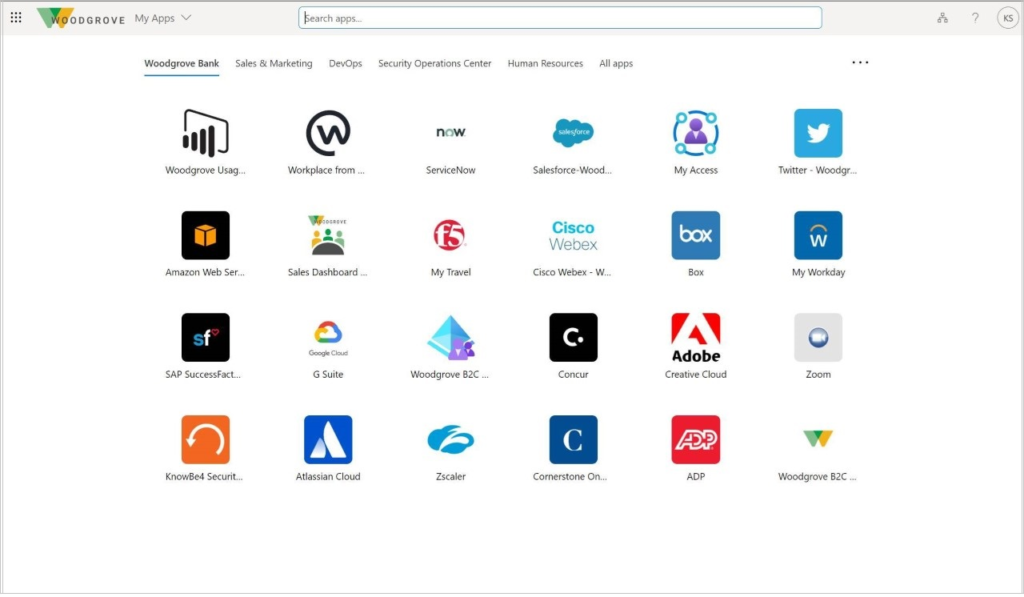
In today’s digital world, my apps are more than just icons on a phone or computer. They help us communicate, work, learn, shop, manage finances, and entertain ourselves. Whether you’re using a smartphone, tablet, or laptop, your collection of apps plays a major role in your daily routine.

As the number of available applications continues to grow, keeping your apps organized and secure has become increasingly important. From productivity tools and social media platforms to fitness trackers and mobile games, every app serves a unique purpose. Understanding how to manage them effectively can improve your device’s performance and your overall digital experience.

In this guide, we’ll explore everything you need to know about managing my apps, including downloading, organizing, updating, securing, and deleting apps you no longer need.


What Does “My Apps” Mean?

The term my apps refers to all the applications installed on your device. These can include:

  • Social media apps
  • Banking apps
  • Productivity tools
  • Entertainment apps
  • Educational apps
  • Health and fitness apps
  • Shopping apps
  • Games

Each app is designed to perform a specific function, making everyday tasks faster and more convenient.

Your apps can be installed from official app stores such as Google Play Store, Apple App Store, Microsoft Store, or trusted software providers.


Why Managing My Apps Is Important

Many people install dozens—or even hundreds—of apps without realizing how they affect device performance.

Proper app management helps you:

  • Save storage space
  • Improve battery life
  • Enhance device speed
  • Protect personal information
  • Reduce security risks
  • Keep software up to date

Regularly reviewing your installed apps ensures your device remains efficient and secure.


How to Download Apps Safely

Downloading apps is easy, but it’s important to choose reliable sources.

Follow these tips:

Use Official App Stores

Always install apps from trusted marketplaces like:

  • Google Play Store
  • Apple App Store
  • Microsoft Store

Official stores screen applications for malware and harmful software.

Read Reviews

Before downloading, check:

  • User ratings
  • Reviews
  • Number of downloads
  • Update history

Apps with strong ratings and regular updates are generally more reliable.

Review Permissions

Avoid apps requesting unnecessary permissions such as:

  • Contacts
  • Camera
  • Microphone
  • Location

Only grant permissions required for the app to function properly.


How to Organize My Apps

A cluttered home screen can make finding apps frustrating.

Create Folders

Group similar apps together:

  • Work
  • Finance
  • Social Media
  • Shopping
  • Entertainment
  • Health
  • Travel

Folders keep your screen neat and reduce scrolling.

Remove Unused Apps

If you haven’t opened an app in several months, consider uninstalling it.

Removing unused apps:

  • Frees storage
  • Improves performance
  • Reduces distractions

Use Search Features

Modern smartphones include built-in search tools that let you find apps instantly without browsing multiple screens.


Keeping My Apps Updated

App updates provide much more than new features.

Regular updates often include:

  • Security improvements
  • Bug fixes
  • Faster performance
  • Better compatibility
  • New tools and features

Enable automatic updates if possible to ensure your apps remain current.

However, it’s still a good idea to review update notes occasionally to understand what has changed.


Common Types of Apps Everyone Uses

Today’s users typically rely on several categories of applications.

Productivity Apps

These help with:

  • Task management
  • Calendars
  • Note-taking
  • Document editing
  • Team collaboration

They’re essential for students and professionals alike.

Communication Apps

Messaging and video-calling apps help people stay connected with family, friends, and coworkers regardless of location.

Entertainment Apps

Streaming services, music platforms, podcasts, and gaming apps provide endless entertainment options.

Shopping Apps

Online shopping apps simplify purchasing everything from groceries to electronics while allowing users to compare prices and track deliveries.

Health & Fitness Apps

These apps monitor:

  • Exercise
  • Sleep
  • Calories
  • Water intake
  • Heart rate

Many integrate with wearable devices for detailed health tracking.


Tips for Improving App Performance

If your apps become slow or crash frequently, try these solutions.

Clear Cache

Temporary files accumulate over time.

Clearing cache can:

  • Improve speed
  • Free storage
  • Fix loading problems

Restart Your Device

A simple restart refreshes system memory and resolves many temporary software issues.

Update Your Operating System

Apps work best when your device uses the latest version of Android, iOS, Windows, or macOS.

Operating system updates often improve compatibility and stability.

Free Up Storage

Low storage can significantly reduce app performance.

Delete:

  • Old photos
  • Duplicate files
  • Large videos
  • Unused downloads

This provides apps with more room to function smoothly.


Keeping My Apps Secure

Cybersecurity should always be a priority.

Protect your apps by following these best practices.

Use Strong Passwords

Avoid simple passwords like:

  • 123456
  • Password
  • Your birthday

Instead, create unique combinations using letters, numbers, and symbols.

Enable Two-Factor Authentication

Many banking, email, and social media apps support two-factor authentication (2FA), adding an extra layer of security.

Download Only Trusted Apps

Never install APK files or software from unknown websites unless you fully trust the source.

Unofficial apps may contain malware capable of stealing personal information.

Review App Permissions Regularly

Occasionally check which apps can access:

  • Camera
  • Microphone
  • Contacts
  • Files
  • GPS location

Disable permissions that are no longer necessary.


How to Delete Apps You No Longer Need

Removing unnecessary apps is simple.

Before deleting an app:

  • Back up important information
  • Export files if needed
  • Confirm cloud synchronization

Then uninstall the app through your device settings or app store.

Deleting unused apps helps maintain better organization while freeing valuable storage space.


Future of Mobile Apps

Apps continue evolving thanks to advancements in technology.

Emerging trends include:

  • Artificial intelligence
  • Voice assistants
  • Augmented reality
  • Virtual reality
  • Smart home integration
  • Cloud-based applications

These innovations will make apps more personalized, efficient, and capable of automating everyday tasks.

Businesses are also investing heavily in mobile app development to provide faster customer service, online shopping, digital payments, and remote collaboration.


Conclusion

Managing my apps effectively is essential for maintaining a fast, organized, and secure digital experience. Whether you use your device for work, entertainment, education, or communication, regularly updating, organizing, and reviewing your apps helps improve performance and protects your personal information.

By downloading apps from trusted sources, keeping them updated, deleting unused software, and following good security practices, you can get the most out of your smartphone, tablet, or computer. A well-managed app library not only saves time but also ensures your device remains reliable for years to come.


Frequently Asked Questions

What are “my apps”?

“My apps” refers to all the applications installed on your smartphone, tablet, or computer for various personal and professional tasks.

How do I find my installed apps?

You can view installed apps through your device’s app drawer, settings menu, or application manager.

Should I update my apps regularly?

Yes. Regular updates improve security, fix bugs, enhance performance, and introduce new features.

Is it safe to download apps from third-party websites?

It’s safest to download apps only from official app stores to reduce the risk of malware and security threats.

How often should I remove unused apps?

Review your installed apps every few months and uninstall those you no longer use to save storage and improve device performance.

Amazon: Everything You Need to Know About the World’s Largest Online Marketplace

0

Introduction

Amazon has completely changed the way people shop, making it possible to buy almost anything with just a few clicks. From books and electronics to groceries and digital services, Amazon has become a one-stop destination for millions of customers worldwide. What started as a small online bookstore has grown into one of the most valuable and influential companies in the world.

Today, Amazon is more than just an e-commerce platform. It offers cloud computing, video streaming, smart home devices, grocery delivery, and subscription services that serve both individuals and businesses. Whether you’re a shopper looking for the best deals or a seller wanting to grow your business, Amazon provides countless opportunities.

In this guide, we’ll explore Amazon’s history, services, benefits, shopping tips, and why it continues to dominate the global online marketplace.


The History of Amazon

Amazon was founded by Jeff Bezos in 1994 in Seattle, Washington. Initially, the company focused solely on selling books online because books were easy to ship and had universal demand. The website officially launched in 1995 and quickly attracted customers from around the world.

As internet usage grew, Amazon expanded its product categories to include electronics, clothing, toys, home goods, and much more. The company consistently invested in technology, customer service, and logistics, allowing it to deliver products faster than competitors.

Today, Amazon operates in numerous countries and has become a global leader in e-commerce, cloud computing, artificial intelligence, and digital entertainment.


What Can You Buy on Amazon?

One of Amazon’s greatest strengths is its enormous product selection. Customers can find nearly everything they need in one place, making shopping convenient and time-saving.

Popular product categories include:

  • Electronics
  • Mobile phones
  • Laptops
  • Fashion and clothing
  • Home appliances
  • Kitchen essentials
  • Beauty products
  • Grocery items
  • Furniture
  • Books
  • Toys
  • Sports equipment
  • Pet supplies
  • Automotive accessories

Amazon also allows third-party sellers to list products, giving shoppers access to millions of additional items from businesses around the world.

Because of this wide selection, Amazon has become the preferred shopping destination for people seeking convenience and variety.


Amazon Prime: Is It Worth It?

Amazon Prime is a subscription service that offers exclusive benefits for members. It has become one of the company’s most successful offerings because it combines shopping perks with entertainment and digital services.

Prime members enjoy benefits such as:

  • Fast and free shipping
  • Same-day or next-day delivery in eligible areas
  • Access to Prime Video
  • Prime Reading
  • Amazon Music
  • Exclusive discounts
  • Early access to special sales

For frequent shoppers, the savings on shipping alone can easily justify the membership fee. Additionally, access to movies, TV shows, and music makes Prime an attractive all-in-one subscription.


Why Millions of People Shop on Amazon

There are many reasons why Amazon continues to attract millions of customers every day.

The biggest advantage is convenience. Customers can browse products, compare prices, read reviews, and complete purchases without leaving home. The website and mobile app are easy to navigate, making shopping simple for users of all ages.

Another reason is competitive pricing. Amazon regularly offers discounts, seasonal promotions, and limited-time deals that help customers save money.

Fast delivery is another major benefit. Thanks to its extensive fulfillment network, many products arrive within one or two days.

Reliable customer service and a straightforward return policy also give buyers confidence when making purchases.


Amazon for Sellers

Amazon isn’t just beneficial for shoppers—it also provides a massive opportunity for businesses and entrepreneurs.

Through Amazon Marketplace, individuals and companies can sell products to millions of customers worldwide. Sellers can choose between managing their own shipping or using Fulfillment by Amazon (FBA).

With FBA, Amazon stores inventory, packs orders, ships products, and even handles customer service. This allows businesses to focus on finding quality products and growing sales.

Many small businesses have expanded rapidly by leveraging Amazon’s trusted platform and global customer base.


Amazon’s Digital Services

Although Amazon is best known for online shopping, the company offers several digital services that have transformed multiple industries.

Amazon Web Services (AWS) is the world’s leading cloud computing platform. Thousands of businesses, startups, and government organizations rely on AWS for secure cloud infrastructure.

Other popular services include:

  • Prime Video
  • Kindle eBooks
  • Audible audiobooks
  • Amazon Music
  • Alexa voice assistant
  • Fire TV
  • Ring smart home security
  • Amazon Photos

These services demonstrate Amazon’s expansion far beyond traditional retail.


Tips for Shopping Smart on Amazon

Shopping on Amazon is easy, but using a few smart strategies can help you save even more money.

Always compare multiple sellers before purchasing. Different sellers often offer different prices for the same product.

Read verified customer reviews to understand product quality and potential issues before making a purchase.

Watch for major shopping events such as Prime Day, Black Friday, and Cyber Monday, when thousands of products receive significant discounts.

Using wish lists and price tracking tools can also help you purchase products when prices drop.

Finally, check product ratings carefully instead of focusing only on price.


Pros and Cons of Amazon

Like any online marketplace, Amazon has advantages and disadvantages.

Pros

  • Huge selection of products
  • Competitive prices
  • Fast shipping
  • Easy returns
  • Secure payment options
  • Reliable customer support
  • Frequent discounts
  • Convenient mobile app

Cons

  • Counterfeit products occasionally appear
  • Prices may change frequently
  • Some third-party sellers provide inconsistent service
  • Prime membership requires a subscription fee
  • Popular items sometimes sell out quickly

Despite these drawbacks, Amazon remains one of the most trusted online shopping platforms in the world.


The Future of Amazon

Amazon continues investing heavily in technology and innovation. Artificial intelligence, robotics, drone delivery, cashier-less stores, and personalized shopping experiences are expected to shape the company’s future.

The company is also expanding its healthcare, grocery, and smart home businesses while improving sustainability through electric delivery vehicles and eco-friendly packaging initiatives.

As consumer expectations evolve, Amazon is likely to remain at the forefront of digital commerce by embracing new technologies and improving customer experiences.


Conclusion

Amazon has transformed the global shopping experience by combining convenience, competitive pricing, fast delivery, and an extensive selection of products. What began as a simple online bookstore has evolved into a technology giant that influences e-commerce, cloud computing, digital entertainment, and smart home innovation.

Whether you’re shopping for everyday essentials, streaming your favorite shows, or building an online business, Amazon offers solutions that make life easier. As technology continues to evolve, Amazon is well-positioned to remain a leader in online retail and digital services for years to come.


Frequently Asked Questions (People Also Ask)

1. What is Amazon best known for?
Amazon is best known as the world’s largest online marketplace, offering millions of products along with services like Prime, AWS, and Prime Video.

2. Is Amazon Prime worth it?
Yes, if you shop frequently or use streaming services, Amazon Prime offers excellent value through free shipping and exclusive digital benefits.

3. Can anyone sell on Amazon?
Yes. Individuals and businesses can create a seller account and start selling products through Amazon Marketplace.

4. What does Amazon Web Services (AWS) do?
AWS provides cloud computing services that help businesses store data, host websites, and run applications securely.


Meta Description

Discover everything about Amazon, including its history, Prime membership, shopping tips, digital services, seller opportunities, and why it’s the world’s leading online marketplace.

Focus Keyword

Amazon

SEO Title

Amazon: Complete Guide to Shopping, Prime Benefits, Services & More (2026)

GTA 6 Map: Everything We Know About the Massive Open World So Far

The GTA 6 map is one of the biggest reasons fans are eagerly waiting for Rockstar Games’ next blockbuster. Ever since the first trailer dropped, gamers have been analyzing every frame to uncover new details about the world players will explore. While Rockstar has yet to reveal the complete map, official footage, leaks, and community research suggest that GTA 6 will feature the largest and most immersive open world in the franchise.

From the return of Vice City to sprawling beaches, bustling highways, swamps, small towns, and modern city districts, the GTA 6 map promises a level of realism never before seen in the series. Here’s everything we know so far.


GTA 6 Map Overview

Rockstar Games has officially confirmed that Grand Theft Auto VI takes place in the fictional state of Leonida, inspired by the real-life state of Florida. The most iconic location within Leonida is Vice City, Rockstar’s version of Miami.

Unlike previous GTA titles that focused mainly on one city, GTA 6 appears to offer a much larger region with multiple environments. Players can expect urban neighborhoods, coastal highways, forests, wetlands, rural communities, and hidden locations scattered across the map.

Early analysis suggests the GTA 6 map could be significantly larger than GTA 5’s Los Santos, giving players more freedom to explore than ever before.


Vice City Returns Bigger Than Ever

Vice City is making a highly anticipated comeback after more than two decades. However, this isn’t simply a remake of the city from 2002. Rockstar has completely rebuilt it with modern technology and far greater detail.

The new Vice City features:

  • Modern skyscrapers
  • Luxury hotels
  • Busy beaches
  • Nightclubs
  • Shopping districts
  • Residential suburbs
  • Large ports and marinas

The city feels alive with realistic traffic, pedestrians, dynamic weather, and countless activities happening simultaneously.

Players can expect every neighborhood to have its own atmosphere, making exploration more rewarding than ever.


The State of Leonida

Instead of focusing only on one city, GTA 6 expands into the fictional state of Leonida.

Different regions appear to include:

Coastal Areas

Beautiful beaches, fishing docks, marinas, and luxury waterfront properties create a vibrant coastal environment.

Rural Towns

Smaller communities offer a completely different experience from the crowded streets of Vice City. These areas may feature local businesses, farms, diners, and gas stations.

Swamps

One of the most exciting additions is the large swamp region inspired by the Florida Everglades. Wildlife, airboats, muddy roads, and hidden locations could make this one of the most unique environments in GTA history.

Forests and Wilderness

Players may discover camping areas, hunting spots, abandoned buildings, secret caves, and off-road trails perfect for exploration.


How Big Is the GTA 6 Map?

Rockstar hasn’t officially revealed the exact map size, but community estimates suggest the GTA 6 map may be nearly twice as large as GTA 5’s world.

Although size alone doesn’t guarantee a better experience, Rockstar appears focused on creating a world that feels dense and interactive rather than simply large.

Many experts believe players will spend dozens of hours discovering hidden locations, side missions, random encounters, and secret collectibles.

If these estimates prove accurate, GTA 6 could feature Rockstar’s biggest open world ever.


Dynamic Locations and Living World

One of the biggest improvements expected in GTA 6 is a more dynamic world.

Instead of static locations, different parts of the map may change depending on:

  • Time of day
  • Weather conditions
  • Story progression
  • Special events
  • NPC activities

For example, beaches may become crowded during the day, while downtown nightlife comes alive after sunset.

Traffic patterns could also vary depending on rush hour, weekends, or emergencies, making the world feel more realistic.


Wildlife Across the GTA 6 Map

The trailer confirms a wide variety of animals throughout Leonida.

Possible wildlife includes:

  • Alligators
  • Flamingos
  • Pelicans
  • Deer
  • Dogs
  • Birds
  • Fish

The swamp areas especially appear to contain dangerous wildlife that may directly interact with players.

Rockstar introduced wildlife in GTA 5, but GTA 6 seems to expand the system considerably with more realistic behaviors and habitats.


Hidden Secrets and Exploration

Rockstar Games has always rewarded players who enjoy exploring every corner of its maps.

Fans expect GTA 6 to include:

  • Hidden caves
  • Secret buildings
  • Underground locations
  • Abandoned factories
  • Treasure hunts
  • Mystery collectibles
  • Easter eggs
  • Rare vehicles

Based on previous Rockstar games, many secrets may remain undiscovered for years after release.

Exploration is likely to become one of GTA 6’s strongest gameplay features.


Improved Travel Across the Map

A larger map means players will need efficient transportation.

Expected travel options include:

  • Cars
  • Motorcycles
  • Boats
  • Jet skis
  • Airboats
  • Helicopters
  • Airplanes

Improved highways and realistic road systems should make long-distance driving much more enjoyable.

Players may also discover shortcuts through forests, rivers, and back roads.


GTA 6 Map Compared to GTA 5

FeatureGTA 5GTA 6
Main CityLos SantosVice City
StateSan AndreasLeonida
Environment VarietyModerateExtensive
SwampsNoYes
Modern CityYesYes
BeachesYesExpanded
WildlifeGoodMuch Larger
Map DensityHighExpected to be Higher

While GTA 5 remains one of gaming’s greatest open worlds, GTA 6 appears ready to raise the standard with more diverse environments and greater realism.


Community Map Projects

Since Rockstar has revealed only limited footage, dedicated fans have spent years reconstructing the GTA 6 map using:

  • Official trailers
  • Promotional screenshots
  • Leaked coordinates
  • Building placements
  • Road layouts

These community-created maps are not official, but many have proven surprisingly accurate based on Rockstar’s released material.

As Rockstar shares more information, these projects continue evolving.


Why the GTA 6 Map Matters

The map is more than just a backdrop—it shapes the entire gameplay experience. A well-designed open world encourages exploration, supports diverse mission types, and creates memorable moments outside the main story.

Rockstar has a reputation for crafting environments that feel authentic, filled with random events, detailed interiors, and hidden surprises. With GTA 6, the company appears to be pushing that philosophy even further by creating a world that reacts to players and feels alive at every turn.

Whether you’re racing through Vice City’s streets, cruising along the coastline, or venturing into the swamps, the map itself is expected to be one of the game’s biggest attractions.


Final Thoughts

The GTA 6 map is shaping up to be Rockstar Games’ most ambitious open world yet. From the modern streets of Vice City to the expansive state of Leonida, players can expect an incredible mix of urban life, natural landscapes, and immersive exploration.

Although Rockstar has not released the complete map, everything shown so far points toward a larger, denser, and more dynamic world than any previous Grand Theft Auto game. As more official information becomes available, excitement will only continue to grow.

For fans of open-world gaming, the GTA 6 map could become the new benchmark for exploration, realism, and interactive gameplay.

US and Iran News: Latest Developments, Rising Tensions, and What They Mean for the World

0

Introduction

The latest US and Iran news continues to dominate global headlines as tensions between the two countries remain at one of their highest levels in recent years. Military operations, diplomatic disagreements, and concerns over regional security have once again placed the Middle East at the center of international attention. The situation is not only affecting the two nations directly but is also influencing global energy markets, international trade, and geopolitical stability.

Over the past several weeks, the United States has intensified military operations targeting Iranian military infrastructure while Iran has responded with actions affecting regional shipping routes and strategic waterways. The Strait of Hormuz, one of the world’s most important oil transit routes, has become a major focus as commercial shipping faces increasing risks.

This article explores the latest US and Iran news, explains why tensions have escalated, examines the impact on global markets, and discusses what could happen next.


Why Are US-Iran Relations So Tense?

Relations between the United States and Iran have been complicated for decades. Political disagreements, economic sanctions, and military confrontations have repeatedly pushed both nations toward conflict. The disagreement over Iran’s nuclear program has remained one of the biggest points of contention between Washington and Tehran.

In recent months, diplomatic efforts have struggled to produce lasting progress. While several indirect negotiations were attempted, both countries continue to accuse each other of violating agreements and threatening regional security. These disagreements have made it increasingly difficult to restore trust.

Military activities in the Gulf region have further intensified tensions. Increased naval patrols, airstrikes, and regional military deployments have created an environment where even small incidents could rapidly escalate into a larger confrontation.


Latest US and Iran News: Military Operations Continue

Recent reports indicate that the United States has continued multiple nights of military strikes targeting Iranian military infrastructure, including drone facilities, logistical sites, and transportation networks. According to official statements, these operations are intended to reduce Iran’s military capabilities and protect regional security interests.

Iran has strongly condemned the attacks, describing them as violations of its sovereignty. Iranian officials have warned that continued military pressure could trigger further retaliation across the region.

Military analysts note that both countries appear determined to demonstrate strength while trying to avoid a full-scale regional war. Nevertheless, the continued exchange of military actions increases uncertainty and keeps global attention focused on developments in the Middle East.


The Strait of Hormuz Remains a Global Concern

One of the biggest stories in recent US and Iran news is the continued disruption around the Strait of Hormuz. This narrow waterway carries roughly one-fifth of the world’s oil shipments, making it one of the most strategically important maritime routes on the planet.

Security concerns have caused many commercial vessels to delay or cancel planned journeys. Several shipping companies have altered routes or temporarily suspended operations because of the increased military risks. Reports indicate that vessel traffic has fallen significantly as hostilities continue.

Any prolonged disruption in the Strait of Hormuz could increase transportation costs, raise insurance premiums for shipping companies, and place additional pressure on global energy supplies.


Impact on Global Oil Prices

The conflict between the United States and Iran has had an immediate impact on international oil markets. Investors closely monitor every military development because the Middle East remains one of the world’s largest oil-producing regions.

Whenever tensions increase, crude oil prices often rise due to fears of supply disruptions. Energy traders worry that any interruption in shipping through the Persian Gulf could reduce available supplies and increase fuel costs worldwide.

Higher oil prices can eventually affect consumers by increasing gasoline prices, transportation expenses, airline operating costs, and overall inflation. For many countries that rely heavily on imported energy, continued instability creates significant economic challenges.


Diplomatic Efforts Face Major Challenges

Despite ongoing military operations, diplomatic discussions have not completely stopped. Several international governments continue encouraging both Washington and Tehran to return to negotiations instead of allowing the conflict to expand further.

However, successful diplomacy remains difficult because both sides continue demanding significant concessions before meaningful talks can resume. Political leaders face domestic pressure while also trying to protect national security interests.

International organizations have repeatedly urged restraint, emphasizing that continued military escalation increases the risk of broader regional instability affecting neighboring countries.


How the Conflict Affects the Global Economy

The latest US and Iran news extends well beyond military developments. Financial markets often react immediately whenever new reports emerge regarding military strikes or shipping disruptions.

Businesses involved in international trade face higher shipping costs and longer delivery times. Investors frequently shift money toward safer assets during periods of geopolitical uncertainty, increasing market volatility.

Countries dependent on Middle Eastern oil imports remain especially vulnerable. Rising energy prices may contribute to inflation, increase manufacturing costs, and slow economic growth in several regions.


Regional Security and International Reactions

Many Middle Eastern countries are closely monitoring the situation because any expansion of the conflict could directly affect regional stability. Neighboring governments continue strengthening border security and increasing military readiness while encouraging diplomatic solutions.

International allies of both the United States and Iran have expressed concern over the growing tensions. Several governments have called for immediate de-escalation and renewed negotiations to prevent additional violence.

Security experts warn that miscalculations between military forces operating in close proximity remain one of the greatest risks. Even isolated incidents could potentially trigger wider regional confrontations.


What Could Happen Next?

Predicting the next stage of US-Iran relations remains difficult. Several possible scenarios exist, ranging from renewed diplomatic negotiations to continued military operations.

If both governments decide to prioritize diplomacy, indirect negotiations could eventually reduce tensions and improve regional stability. However, continued military exchanges may increase the possibility of further retaliation.

Much will depend on political decisions made in both Washington and Tehran, along with the involvement of international mediators seeking peaceful solutions. Analysts believe the coming weeks will be especially important in determining whether the crisis escalates further or moves toward diplomacy.


Conclusion

The latest US and Iran news reflects one of the most significant geopolitical challenges facing the international community today. Military operations, diplomatic disagreements, and growing concerns about energy security have created uncertainty across global markets and international politics.

Although both nations continue pursuing their strategic objectives, the broader world remains focused on preventing further escalation. The future of US-Iran relations will likely depend on whether diplomatic efforts can overcome deep political differences and restore regional stability.

As developments continue to unfold, governments, businesses, and global markets will closely monitor every new announcement, recognizing that events in the Middle East have consequences that extend far beyond the region itself.

US and Iran News: Latest Developments, Rising Tensions, and What They Mean for the World

0

Introduction

The latest US and Iran news continues to dominate global headlines as tensions between the two countries remain at one of their highest levels in recent years. Military operations, diplomatic disagreements, and concerns over regional security have once again placed the Middle East at the center of international attention. The situation is not only affecting the two nations directly but is also influencing global energy markets, international trade, and geopolitical stability.

Over the past several weeks, the United States has intensified military operations targeting Iranian military infrastructure while Iran has responded with actions affecting regional shipping routes and strategic waterways. The Strait of Hormuz, one of the world’s most important oil transit routes, has become a major focus as commercial shipping faces increasing risks.

This article explores the latest US and Iran news, explains why tensions have escalated, examines the impact on global markets, and discusses what could happen next.


Why Are US-Iran Relations So Tense?

Relations between the United States and Iran have been complicated for decades. Political disagreements, economic sanctions, and military confrontations have repeatedly pushed both nations toward conflict. The disagreement over Iran’s nuclear program has remained one of the biggest points of contention between Washington and Tehran.

In recent months, diplomatic efforts have struggled to produce lasting progress. While several indirect negotiations were attempted, both countries continue to accuse each other of violating agreements and threatening regional security. These disagreements have made it increasingly difficult to restore trust.

Military activities in the Gulf region have further intensified tensions. Increased naval patrols, airstrikes, and regional military deployments have created an environment where even small incidents could rapidly escalate into a larger confrontation.


Latest US and Iran News: Military Operations Continue

Recent reports indicate that the United States has continued multiple nights of military strikes targeting Iranian military infrastructure, including drone facilities, logistical sites, and transportation networks. According to official statements, these operations are intended to reduce Iran’s military capabilities and protect regional security interests.

Iran has strongly condemned the attacks, describing them as violations of its sovereignty. Iranian officials have warned that continued military pressure could trigger further retaliation across the region.

Military analysts note that both countries appear determined to demonstrate strength while trying to avoid a full-scale regional war. Nevertheless, the continued exchange of military actions increases uncertainty and keeps global attention focused on developments in the Middle East.


The Strait of Hormuz Remains a Global Concern

One of the biggest stories in recent US and Iran news is the continued disruption around the Strait of Hormuz. This narrow waterway carries roughly one-fifth of the world’s oil shipments, making it one of the most strategically important maritime routes on the planet.

Security concerns have caused many commercial vessels to delay or cancel planned journeys. Several shipping companies have altered routes or temporarily suspended operations because of the increased military risks. Reports indicate that vessel traffic has fallen significantly as hostilities continue.

Any prolonged disruption in the Strait of Hormuz could increase transportation costs, raise insurance premiums for shipping companies, and place additional pressure on global energy supplies.


Impact on Global Oil Prices

The conflict between the United States and Iran has had an immediate impact on international oil markets. Investors closely monitor every military development because the Middle East remains one of the world’s largest oil-producing regions.

Whenever tensions increase, crude oil prices often rise due to fears of supply disruptions. Energy traders worry that any interruption in shipping through the Persian Gulf could reduce available supplies and increase fuel costs worldwide.

Higher oil prices can eventually affect consumers by increasing gasoline prices, transportation expenses, airline operating costs, and overall inflation. For many countries that rely heavily on imported energy, continued instability creates significant economic challenges.


Diplomatic Efforts Face Major Challenges

Despite ongoing military operations, diplomatic discussions have not completely stopped. Several international governments continue encouraging both Washington and Tehran to return to negotiations instead of allowing the conflict to expand further.

However, successful diplomacy remains difficult because both sides continue demanding significant concessions before meaningful talks can resume. Political leaders face domestic pressure while also trying to protect national security interests.

International organizations have repeatedly urged restraint, emphasizing that continued military escalation increases the risk of broader regional instability affecting neighboring countries.


How the Conflict Affects the Global Economy

The latest US and Iran news extends well beyond military developments. Financial markets often react immediately whenever new reports emerge regarding military strikes or shipping disruptions.

Businesses involved in international trade face higher shipping costs and longer delivery times. Investors frequently shift money toward safer assets during periods of geopolitical uncertainty, increasing market volatility.

Countries dependent on Middle Eastern oil imports remain especially vulnerable. Rising energy prices may contribute to inflation, increase manufacturing costs, and slow economic growth in several regions.


Regional Security and International Reactions

Many Middle Eastern countries are closely monitoring the situation because any expansion of the conflict could directly affect regional stability. Neighboring governments continue strengthening border security and increasing military readiness while encouraging diplomatic solutions.

International allies of both the United States and Iran have expressed concern over the growing tensions. Several governments have called for immediate de-escalation and renewed negotiations to prevent additional violence.

Security experts warn that miscalculations between military forces operating in close proximity remain one of the greatest risks. Even isolated incidents could potentially trigger wider regional confrontations.


What Could Happen Next?

Predicting the next stage of US-Iran relations remains difficult. Several possible scenarios exist, ranging from renewed diplomatic negotiations to continued military operations.

If both governments decide to prioritize diplomacy, indirect negotiations could eventually reduce tensions and improve regional stability. However, continued military exchanges may increase the possibility of further retaliation.

Much will depend on political decisions made in both Washington and Tehran, along with the involvement of international mediators seeking peaceful solutions. Analysts believe the coming weeks will be especially important in determining whether the crisis escalates further or moves toward diplomacy.


Conclusion

The latest US and Iran news reflects one of the most significant geopolitical challenges facing the international community today. Military operations, diplomatic disagreements, and growing concerns about energy security have created uncertainty across global markets and international politics.

Although both nations continue pursuing their strategic objectives, the broader world remains focused on preventing further escalation. The future of US-Iran relations will likely depend on whether diplomatic efforts can overcome deep political differences and restore regional stability.

As developments continue to unfold, governments, businesses, and global markets will closely monitor every new announcement, recognizing that events in the Middle East have consequences that extend far beyond the region itself.