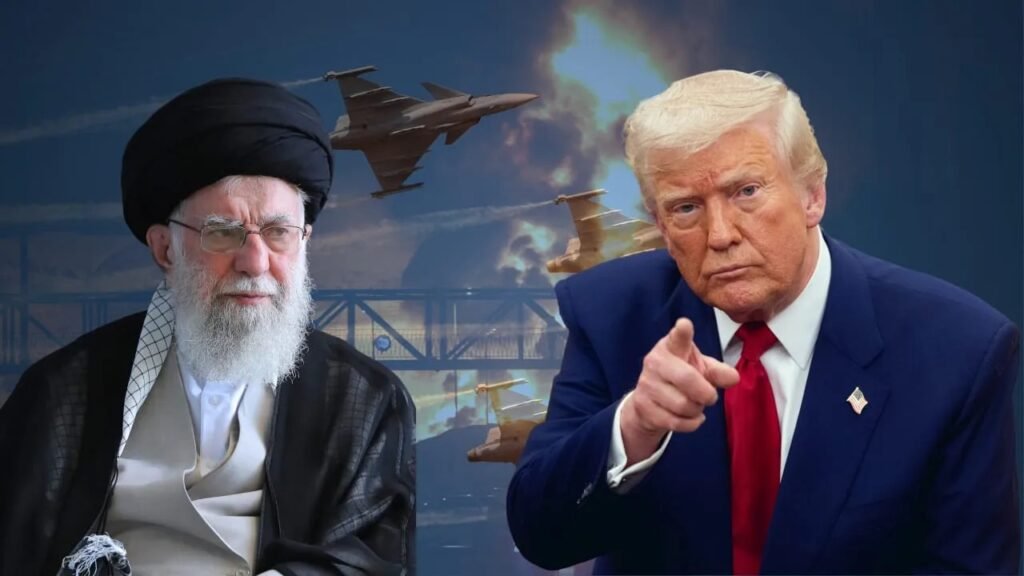
The relationship between Donald Trump and Iran has remained one of the most significant issues in international politics. From economic sanctions to military threats and nuclear negotiations, Trump’s approach toward Iran has shaped U.S. foreign policy and influenced global security. As tensions continue in 2026, the world is closely watching how both nations respond to each other’s actions. Recent developments include renewed threats over Iran’s activities in the Strait of Hormuz and concerns surrounding Iran’s nuclear facilities.
This article explores Trump’s Iran policy, the history behind the conflict, recent developments, and what the future could hold.
Understanding the Trump-Iran Relationship
Donald Trump’s approach to Iran has always been more confrontational than diplomatic. During his first presidency, he withdrew the United States from the 2015 Iran nuclear agreement, commonly known as the JCPOA, arguing that it failed to stop Iran’s nuclear ambitions permanently.
Instead, Trump introduced a “maximum pressure” campaign involving strict economic sanctions aimed at reducing Iran’s oil exports and limiting its financial resources. The policy was designed to force Tehran back to the negotiating table under tougher conditions.
Iran rejected many of these demands, leading to years of political and military tension throughout the Middle East.
Why Are Trump and Iran in Conflict?
Several key issues continue to fuel the dispute between the United States and Iran.
Nuclear Program
The biggest concern remains Iran’s nuclear program. The U.S. believes Iran should never acquire nuclear weapons, while Iran insists its nuclear activities are for peaceful purposes.
International inspectors have repeatedly monitored Iranian nuclear facilities, but disagreements over inspections and uranium enrichment continue to create diplomatic challenges.
Regional Influence
Iran supports several armed groups across the Middle East, including organizations operating in Lebanon, Iraq, Syria, and Yemen. The United States argues that this support destabilizes the region.
Trump has repeatedly stated that limiting Iran’s regional influence is necessary for long-term security.
Strait of Hormuz
The Strait of Hormuz is one of the world’s most important shipping routes for oil exports.
Recent statements from President Trump warned that the United States would respond militarily if Iran attacks commercial shipping in the region, highlighting the strategic importance of the waterway.
Trump’s Maximum Pressure Strategy
Trump’s maximum pressure campaign focused primarily on economic sanctions.
The strategy targeted Iran’s banking system, oil exports, shipping industry, and military organizations. These sanctions significantly reduced Iran’s ability to sell oil internationally, placing heavy pressure on its economy.
Supporters argued that sanctions weakened Iran financially without requiring direct military action.
Critics, however, claimed the sanctions mainly affected ordinary Iranian citizens while failing to produce lasting diplomatic breakthroughs.
Military Tensions Between Trump and Iran
Military confrontations have repeatedly brought both countries close to direct conflict.
During Trump’s presidency, the killing of Iranian General Qasem Soleimani dramatically increased tensions between Washington and Tehran.
Since returning to office, Trump has maintained a strong military posture toward Iran. Recent reports indicate continued warnings regarding Iranian attacks on commercial shipping and possible strikes against strategic infrastructure if hostilities continue.
Despite aggressive rhetoric, both sides remain aware that a full-scale war would carry enormous regional and global consequences.
The Nuclear Issue Remains Central
Iran’s nuclear ambitions continue to dominate international discussions.
Western governments remain concerned about uranium enrichment levels and underground nuclear facilities, while Iran argues that it has the legal right to pursue civilian nuclear technology.
Recent attention has focused on Iran’s underground “Pickaxe Mountain” nuclear site, which experts believe could become a major factor in future negotiations or military planning.
The International Atomic Energy Agency (IAEA) continues monitoring developments whenever access is available.
Global Economic Impact
The Trump-Iran conflict affects far more than the Middle East.
Oil prices often react immediately whenever tensions increase between Washington and Tehran.
Since the Strait of Hormuz carries a significant share of global oil shipments, any disruption can influence fuel prices worldwide.
Businesses, airlines, shipping companies, and financial markets all closely monitor developments because instability in the Gulf region can affect global supply chains and inflation.
International Reactions
America’s allies generally support preventing Iran from obtaining nuclear weapons, but many also encourage diplomacy instead of military escalation.
European nations have frequently called for renewed negotiations.
Countries such as China and Russia have maintained closer relations with Iran while criticizing some U.S. sanctions.
Meanwhile, Gulf nations continue strengthening regional security while preparing for possible disruptions to energy exports.
The international community largely agrees that diplomatic solutions remain preferable to prolonged conflict.
Could Diplomacy Still Work?
Although tensions remain high, diplomacy has not completely disappeared.
Several countries continue attempting to mediate discussions between Washington and Tehran.
Negotiations remain difficult because both governments have different priorities regarding sanctions, nuclear restrictions, and regional security.
Any future agreement would likely require compromises from both sides and international verification mechanisms.
Whether Trump chooses further negotiations or increased pressure will significantly shape future U.S.-Iran relations.
What’s Next for Trump and Iran?
The future remains uncertain.
Possible outcomes include:
- Renewed nuclear negotiations.
- Continued economic sanctions.
- Limited military confrontations.
- Regional diplomatic agreements.
- Increased international mediation.
Much depends on political decisions in Washington, Tehran, and neighboring Middle Eastern countries.
Global markets will continue responding to every major announcement from either government.
Conclusion
The Trump-Iran relationship remains one of the most closely watched geopolitical issues in the world. While economic sanctions, military warnings, and nuclear concerns dominate headlines, diplomacy continues to offer a possible path toward reducing tensions.
Recent developments surrounding Iran’s nuclear facilities and security in the Strait of Hormuz demonstrate that the situation remains highly dynamic and capable of affecting global energy markets, international security, and regional stability.
As events continue to unfold, governments, businesses, and citizens worldwide will be watching closely to see whether the future brings renewed negotiations or further confrontation.

wellcome to glamnetworth i am rimsha razzaq and AI-Powered SEO , and containt writer with four years of experince i help website rank higher, grow traffic, and look amazing . my goal is to make SEO and web design simple and effective for everyone . Lets achieve more together|