
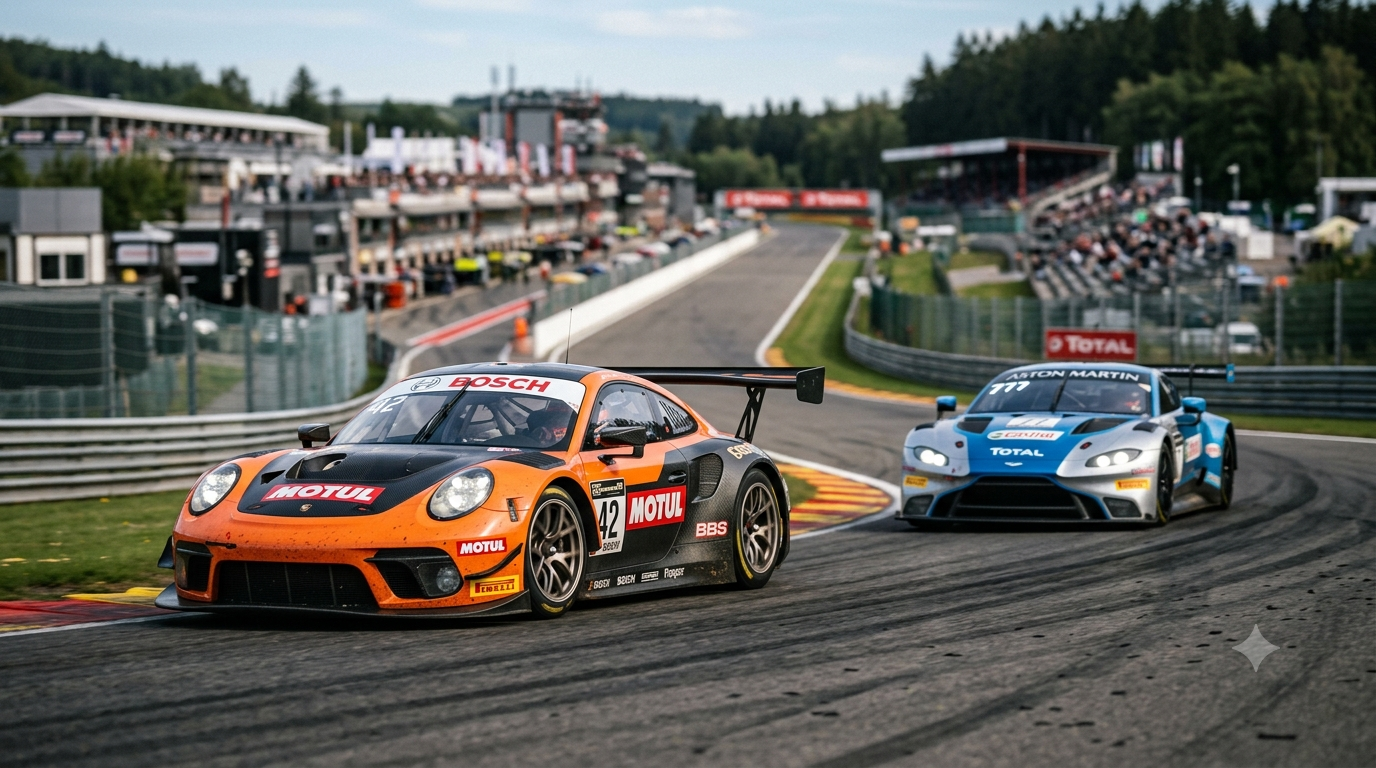
Racing cars represent one of the most exciting sides of the automotive world. They are built for one clear purpose: achieving extraordinary performance on a racetrack. Unlike ordinary road cars, racing machines are designed around speed, handling, braking, aerodynamics, and driver control. Every component has a specific job, and even a tiny improvement can make a difference during a competitive race.
The world of racing cars is much larger than many people realize. It includes Formula 1 machines, NASCAR stock cars, endurance racing prototypes, rally cars, touring cars, drag racers, and many other specialized vehicles. Each category follows different rules and demands a unique engineering approach.
What makes racing cars fascinating is the combination of human skill and advanced technology. Engineers continuously search for ways to reduce weight, increase downforce, improve tire performance, and extract more efficiency from an engine or electric powertrain. Meanwhile, drivers must turn that engineering advantage into results on the track.
What Are Racing Cars?
Racing cars are specialized vehicles created specifically for competitive motorsport. Their construction focuses heavily on performance rather than everyday practicality. A normal passenger vehicle must provide comfort, storage, fuel economy, safety, and convenience, while a racing car prioritizes lap times, acceleration, cornering ability, braking performance, and reliability under extreme conditions.
The design of racing cars varies according to the type of competition. A Formula 1 car, for example, has an open-wheel design and sophisticated aerodynamic surfaces. A NASCAR vehicle has a very different body shape and is designed around high-speed oval racing. Rally cars need strong suspension systems because they frequently travel over gravel, mud, snow, and uneven roads.
Despite these differences, most racing cars share several important characteristics. They tend to have powerful or highly efficient powertrains, specialized tires, strong brakes, lightweight construction, racing suspension, aerodynamic components, and safety equipment. Together, these features allow the car and driver to operate at speeds and forces that ordinary road vehicles are not designed to handle.
How Racing Cars Are Designed for Speed
Speed is not simply about installing a larger engine. Modern racing cars are carefully engineered as complete systems. Engineers consider the relationship between power, weight, aerodynamic drag, tire grip, suspension geometry, and braking performance. Improving one area can sometimes create problems somewhere else.
Weight is particularly important. A lighter vehicle generally requires less energy to accelerate and can change direction more quickly. Racing teams therefore use lightweight materials such as carbon fiber and specialized alloys wherever regulations and budgets allow. However, removing weight cannot compromise structural strength or driver safety.
Aerodynamics is another major part of racing car design. Wings, diffusers, bodywork, and other aerodynamic surfaces can generate downforce, pressing the car toward the track and improving grip through corners. The challenge is finding the right balance because excessive aerodynamic drag can reduce straight-line speed. Successful racing car design is therefore an exercise in managing compromises.
The Importance of Racing Car Engines
The engine or powertrain is one of the most recognizable elements of a racing car. For decades, motorsport has been associated with high-revving gasoline engines, but modern racing has also embraced hybrid and fully electric technology. Different racing categories use different powertrain philosophies based on their rules and objectives.
A racing engine must deliver strong performance while surviving extreme operating conditions. Components can experience enormous temperatures, pressures, and mechanical stress during a race. Engineers spend countless hours developing cooling systems, lubrication systems, fuel delivery systems, and electronic controls that allow the power unit to perform consistently.
Modern racing cars also demonstrate how technology can improve efficiency. Hybrid systems can recover energy during braking and use it later for additional power. This approach has helped motorsport become a testing ground for technologies that may eventually influence production vehicles. Racing is therefore not only about entertainment; it can also encourage automotive innovation.
Racing Tires and Their Role in Performance
Tires are among the most important components on any racing car. No matter how powerful the engine is, the car cannot perform effectively if the tires cannot maintain contact and grip with the track. Tire compounds, temperatures, pressures, and construction can all influence performance.
Racing tires are usually developed for specific conditions. Some compounds provide maximum grip but wear quickly, while others last longer but may offer less peak performance. Teams must understand how quickly their tires reach their ideal operating temperature and how they behave as a race progresses.
Weather can make tire selection even more complicated. Dry conditions may require slick racing tires, while wet tracks need treaded tires capable of moving water away from the contact patch. Choosing the right tires at the right moment can completely change the outcome of a race.
Different Types of Racing Cars
There are many categories of racing cars, and each has its own identity. Formula racing cars are among the most technically advanced machines in motorsport. They feature open wheels, sophisticated aerodynamics, powerful power units, and extremely responsive handling. These cars are designed primarily around circuit racing.
Stock cars are another famous category, particularly associated with American motorsport. They are built for close competition and can reach impressive speeds on oval tracks. Their engineering philosophy differs considerably from open-wheel racing, demonstrating that there is no single formula for building a successful race car.
Rally cars are designed for a completely different challenge. They must handle changing surfaces, jumps, tight corners, and unpredictable weather. Endurance racing cars, meanwhile, are engineered to remain competitive over many hours. Other categories include GT racing cars, touring cars, drag racing vehicles, and electric racing cars, each bringing its own technical challenges.
Why Aerodynamics Matter So Much
Aerodynamics can determine whether a racing car feels stable or difficult to control at high speed. When air moves around a vehicle, it creates forces that affect acceleration, cornering, and braking. Engineers manipulate airflow to produce useful downforce while attempting to keep aerodynamic drag under control.
Downforce is particularly valuable when a racing car enters a fast corner. Instead of relying only on the weight of the vehicle, aerodynamic forces can increase the effective pressure between the tires and track. This can allow the car to maintain higher cornering speeds.
However, more downforce is not always better. A car with extremely high downforce may be excellent through corners but slower on long straights because of increased drag. Racing engineers therefore adjust aerodynamic setups according to each circuit. A track with long straights may require a different setup from a circuit dominated by technical corners.
The Role of the Racing Driver
Even the most advanced racing car needs a skilled driver. Motorsport places enormous physical and mental demands on competitors. Drivers must react quickly, maintain concentration, manage tires, understand changing track conditions, and make strategic decisions while traveling at high speeds.
A professional racing driver also needs to understand the behavior of the car. Small changes in braking points, steering inputs, throttle application, and racing lines can affect lap times. Drivers work closely with engineers to explain how the car feels and where performance can be improved.
Physical fitness is equally important. Racing can involve high levels of heat, vibration, and sustained forces. Drivers train their neck, core, cardiovascular system, and reaction speed to remain precise during long and demanding events. Mental preparation matters too because a single mistake can have serious consequences.
Racing Cars and Motorsport Technology
Motorsport has become an important laboratory for automotive technology. Racing teams constantly experiment with materials, energy recovery systems, telemetry, suspension concepts, braking technology, and aerodynamic solutions. Not every innovation moves directly into consumer vehicles, but many racing developments demonstrate what engineers can achieve under strict conditions.
Data is now central to modern racing. Sensors can monitor temperatures, tire behavior, engine performance, braking forces, and numerous other parameters. Teams analyze this information to understand how the car is performing and how setup changes may improve its competitiveness.
Simulation has also transformed racing car development. Engineers can use sophisticated computer models and virtual environments before testing physical components. Drivers can practice circuits in simulators, while teams can explore different setups without spending hours on the actual track. This combination of data and simulation has made modern motorsport more analytical than ever.
How Racing Cars Have Changed Over Time
The history of racing cars is essentially a story of continuous evolution. Early race cars were often relatively simple machines compared with today’s sophisticated vehicles. As competition became more intense, manufacturers and racing teams developed better engines, brakes, suspension systems, tires, and aerodynamic designs.
Safety has also undergone a dramatic transformation. Modern racing cars incorporate strong survival cells, advanced restraints, protective barriers, improved helmets, fire-resistant equipment, and sophisticated circuit safety systems. These developments have helped make motorsport considerably safer than it was in many earlier eras.
Technology has changed the sound and character of racing as well. Hybrid powertrains and electric racing categories have introduced new approaches to performance. At the same time, traditional combustion-powered racing continues to attract passionate fans. The future of racing cars will likely involve a mixture of sustainability, advanced electronics, lightweight materials, and increasingly intelligent engineering.
How Racing Cars Differ From Road Cars
A road car is designed to function in everyday life, while a racing car is designed to perform competitively on a controlled track or specialized course. This fundamental difference influences almost every component. Road cars need comfort and practicality, whereas racing cars sacrifice many everyday conveniences for performance.
Racing cars generally have firmer suspension, specialized tires, powerful brakes, lighter construction, and more aggressive aerodynamic designs. Their interiors are also extremely different. Instead of luxurious seats, entertainment systems, and large storage areas, race cars focus on essential controls, safety equipment, and driver ergonomics.
The difference becomes especially obvious when looking at handling. A racing car can be designed to respond instantly to steering and braking inputs. Its setup may feel uncomfortable or impractical on public roads, but that same firmness can provide a major advantage on a racetrack. In short, racing cars are purpose-built machines rather than ordinary vehicles with extra horsepower.
The Future of Racing Cars
The future of racing cars is likely to be shaped by electrification, efficiency, advanced materials, artificial intelligence, and improved data analysis. Electric racing has already demonstrated that battery-powered vehicles can deliver impressive acceleration and competitive performance. As battery technology develops, electric motorsport could become even more capable.
Sustainability is another major consideration. Racing organizations are exploring cleaner fuels, energy recovery, efficient powertrains, and reduced environmental impact. The challenge will be maintaining the excitement and competitive character of motorsport while adapting to changing technology and environmental expectations.
Artificial intelligence and advanced simulation may also influence future racing. Teams could analyze enormous quantities of data more quickly and identify patterns that humans might overlook. However, the driver is unlikely to disappear from motorsport anytime soon. Racing remains a unique combination of engineering, strategy, courage, instinct, and human decision-making.
Why Racing Cars Continue to Fascinate Fans
Racing cars have an appeal that goes beyond their impressive specifications. They represent competition, ambition, technical creativity, and the desire to go faster. Fans become attached not only to the machines but also to the teams, drivers, circuits, rivalries, and stories surrounding them.
There is also something deeply satisfying about watching engineers turn a collection of materials into a machine capable of extraordinary performance. Every aerodynamic surface, suspension component, tire choice, and software adjustment can influence the final result. That complexity gives motorsport a depth that rewards both casual viewers and serious enthusiasts.
Ultimately, racing cars are more than fast vehicles. They are highly specialized examples of automotive engineering and human determination. From roaring combustion engines to cutting-edge electric powertrains, they continue to push the boundaries of what vehicles can achieve. Whether someone loves Formula racing, rallying, endurance events, stock cars, or another discipline, racing cars remain one of the most fascinating expressions of speed and technology.
Frequently Asked Questions About Racing Cars
What makes a racing car different from a normal car?
A racing car is specifically designed for competitive performance. It usually has specialized tires, suspension, brakes, aerodynamics, safety equipment, and a performance-focused powertrain. A road car, by comparison, must also provide comfort, practicality, efficiency, and everyday usability.
What is the fastest type of racing car?
There is no single answer because different racing categories use different rules and tracks. Some specialized racing vehicles can reach extremely high speeds, while others are designed to maximize cornering performance rather than top speed.
Why are racing cars so expensive?
Racing cars can be expensive because they require advanced materials, specialized engineering, extensive testing, high-performance components, and sophisticated electronics. Professional racing programs also involve large teams of engineers, mechanics, technicians, and support staff.
Are racing cars legal on public roads?
Most purpose-built racing cars are not designed or equipped for normal road use. They may lack required equipment such as road-approved lighting, emissions systems, appropriate safety features, or other equipment required for street legality.
Can racing technology improve normal cars?
Yes. Motorsport has helped encourage developments in areas such as aerodynamics, braking systems, lightweight materials, energy recovery, suspension technology, and data analysis. Some technologies are eventually adapted for production vehicles.
Final Thoughts
Racing cars sit at the intersection of speed, engineering, competition, and human skill. Their development requires extraordinary attention to detail, from the powertrain and tires to aerodynamics and driver ergonomics. Every component must work together under demanding conditions.
As technology continues to evolve, racing cars will change with it. Electric power, hybrid systems, sustainable fuels, advanced simulation, and data-driven engineering are already influencing motorsport. Yet the core appeal remains unchanged: building remarkable machines and pushing them to their limits.
For anyone interested in automobiles, racing cars offer an exciting window into the future of performance engineering. They are not merely vehicles that travel quickly. They are moving laboratories, competitive machines, and enduring symbols of the human desire to innovate, compete, and go faster.
YOU MEY ALSO READ

wellcome to glamnetworth i am rimsha razzaq and AI-Powered SEO , and containt writer with four years of experince i help website rank higher, grow traffic, and look amazing . my goal is to make SEO and web design simple and effective for everyone . Lets achieve more together|