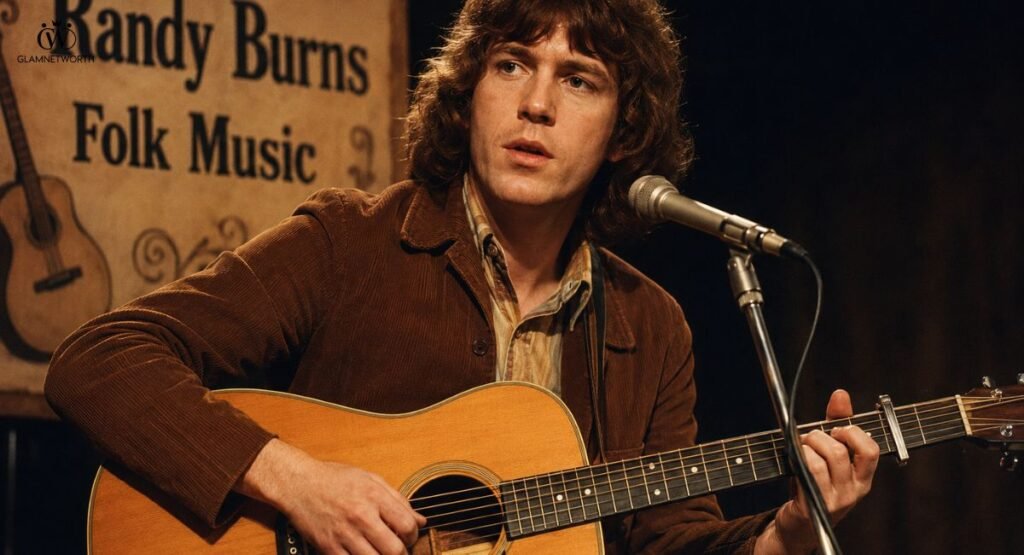
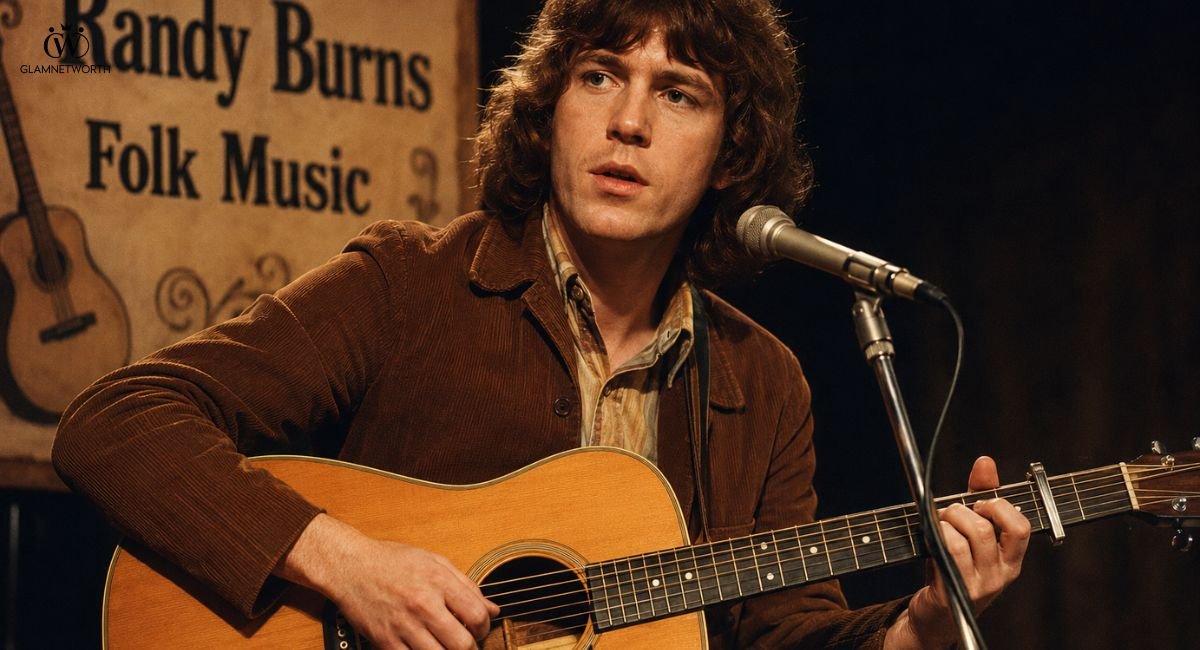

Randy Burns folk music occupies an intriguing corner of the American folk revival. Burns was never a household name like Bob Dylan, Joan Baez, or Phil Ochs, yet his work captures something special about the Greenwich Village music scene of the 1960s. His songs combined traditional acoustic folk with personal storytelling, melancholy melodies, psychedelic textures, and later country-rock influences.
Burns was born in Connecticut in 1948 and became involved with music while still a teenager. By the age of 18, he had made his way to New York City with a guitar and quickly found himself surrounded by some of the most important musicians of the American folk movement. He performed at legendary venues, recorded for the independent ESP-Disk label, and eventually worked with the Sky Dog Band.
What makes Randy Burns particularly interesting is the way his music changed with the times. He started with straightforward acoustic folk but gradually moved toward psychedelic folk, folk-rock, and country-rock. His career therefore provides a fascinating look at how the folk revival evolved during the late 1960s and early 1970s.
Who Was Randy Burns?
Randy Burns was an American folk singer, songwriter, and guitarist whose musical career became closely connected with New York’s Greenwich Village folk scene. He began performing in coffeehouses while still young and eventually became a regular opening performer at the Gaslight Cafe. His early performances placed him alongside respected musicians from the folk community, including Phil Ochs, Dave Van Ronk, Tom Paxton, and others.
Burns’ arrival in Greenwich Village came at an important moment. The traditional folk revival was still influential, but younger musicians were beginning to experiment with electric instruments, unusual arrangements, and more personal songwriting. Burns stood somewhere between those worlds. His early work had the intimacy of classic coffeehouse folk, while his later recordings became increasingly adventurous.
His voice was another important part of his identity. Rather than relying on dramatic vocal effects, Burns generally delivered his songs in a relaxed, understated manner. That approach worked especially well with reflective songs about relationships, uncertainty, travel, loneliness, and everyday life.
Although his commercial success remained limited, Burns continued making music for decades. His career eventually became less about chasing the mainstream and more about staying connected to folk audiences, small venues, festivals, and fellow musicians.
Randy Burns and the Greenwich Village Folk Revival
To understand Randy Burns folk music, it helps to understand Greenwich Village during the 1960s. The neighborhood had become one of America’s most important gathering places for folk singers and songwriters. Coffeehouses and clubs provided young performers with opportunities to develop their craft in front of attentive audiences.
Burns became part of this environment when he was still a teenager. According to the Music Museum of New England, he arrived in New York in 1966 carrying little more than a guitar and soon earned open-mic opportunities before landing a regular opening position at the Gaslight Cafe.
The Gaslight was more than simply a place to perform. It was part of a musical ecosystem where performers could hear one another, exchange ideas, and develop new approaches to songwriting. Burns benefited from this environment because he was surrounded by experienced artists while developing his own voice.
His association with performers such as Phil Ochs and Dave Van Ronk also placed him close to the social and artistic heart of the Randy Burns Folk Music revival. Yet Burns never became a major celebrity. In retrospect, that makes his recordings especially interesting because they preserve a less-commercial side of the era.
His First Album, Of Love and War
Burns’ early recording career began with ESP-Disk, an independent New York label known for releasing unconventional music. His first album, Of Love and War, appeared in the late 1960s and established him as a young Randy Burns Folk Music singer with a predominantly acoustic sound.
The album reflects the intimate style associated with mid-1960s coffeehouse Randy Burns Folk Music. Burns’ vocals and guitar form the foundation, with occasional additional guitar textures. Unlike the heavily produced records that would become common later, the arrangements remain relatively restrained.
One interesting feature of Of Love and War is its mixture of original compositions and songs associated with other writers from the Randy Burns Folk Music scene. Burns included material connected with songwriters such as Eric Andersen and David Blue, while also presenting his own compositions.
The record also demonstrates why Burns should be considered part of the broader Randy Burns Folk Music revival rather than simply a psychedelic artist. At this stage, his music remained closely connected to acoustic folk traditions. The deeper experimentation would become more apparent on his subsequent releases.
Evening of the Magician and the Rise of Psychedelic Folk
If Of Love and War represents Burns’ early Randy Burns Folk Music period, Evening of the Magician shows how dramatically his musical direction could develop. Released in 1968, the album featured the Sky Dog Band and placed much greater emphasis on Burns’ original songwriting.
The difference was significant. Instead of depending heavily on outside material, Burns wrote the songs himself for this project. All ten tracks were Burns originals, giving the album a more unified personality and allowing listeners to hear his songwriting voice more clearly.
The Sky Dog Band also expanded the musical palette. Keyboards, bass, flute, and percussion added atmosphere around Burns’ guitar and vocals. The result moved beyond traditional coffeehouse Randy Burns Folk Music without completely abandoning its acoustic foundation.
This period is often associated with acid Randy Burns Folk Music or psychedelic folk. That label makes sense because the music combines singer-songwriter intimacy with hazier arrangements and a more dreamlike atmosphere. Burns did not simply copy psychedelic rock trends; instead, he adapted some of those ideas to his existing folk-based songwriting.
The Sky Dog Band Changed His Sound
The formation of the Sky Dog Band was an important turning point in Burns’ career. The group gave him musicians who could expand his songs without overwhelming the basic singer-songwriter character of his work. The lineup included Burns on vocals and guitar, along with musicians handling keyboards, bass, flute, and percussion.
This approach allowed Burns to explore textures that would have been difficult to create with an acoustic guitar alone. His songs could breathe more freely, with instruments adding color and atmosphere around the vocal melodies.
The band’s sound also reflected the broader musical changes happening around them. Randy Burns Folk Musicmusicians were experimenting with electric instruments, while rock musicians were becoming increasingly interested in traditional songwriting. The boundary between folk and rock was becoming much less rigid.
Burns was therefore part of a larger transition. His music did not abandon Randy Burns Folk Music music; it stretched the genre into new territory. That mixture is one reason his records continue to attract listeners interested in obscure 1960s folk and psychedelic music.
Song for an Uncertain Lady: A More Mature Sound
Burns’ third ESP-Disk release, Song for an Uncertain Lady, arrived in 1970. By this point, his sound had moved further toward Randy Burns Folk Music -rock and incorporated a noticeable country influence.
The album is particularly interesting because it demonstrates Burns’ willingness to change direction. The psychedelic qualities associated with Evening of the Magician became less dominant, while country-flavored arrangements became more noticeable.
The songwriting also remained emotionally focused. Burns frequently explored fragile relationships, uncertainty, loneliness, and personal reflection. His songs were not built around huge choruses or obvious commercial hooks. Instead, they relied on mood, melody, and conversational storytelling.
This quieter approach can make the album feel very personal. It does not attempt to overwhelm the listener. Instead, it invites the audience into Burns’ world and allows the songs to unfold gradually.
Randy Burns and Country-Rock
The early 1970s brought another important shift in Burns’ career. He signed with Mercury Records and released Randy Burns and the Sky Dog Band in 1971. The record continued the movement toward country-rock that had become increasingly apparent in his earlier work.
Country-rock was becoming an important style during this period. Musicians were combining the storytelling traditions of country and Randy Burns Folk with the instrumentation and energy of rock. Burns’ songwriting fit naturally into that environment.
The Mercury album did not become a major commercial success, however. Afterward, Burns moved to Polydor, where he released I’m a Lover, Not a Fool in 1972 and Still on Our Feet in 1973.
Commercial results did not define Burns’ career. His recordings may not have generated the sales associated with major stars, but they helped document an interesting period when American Randy Burns Folk music was expanding into several different directions.
Why Randy Burns Folk Music Sounds Different
One reason Randy Burns Randy Burns Folk music remains appealing is its balance between simplicity and experimentation. His songs often begin with the familiar singer-songwriter formula: voice, guitar, melody, and lyrics. Then additional instrumentation creates a deeper atmosphere.
His vocal style is also important. Burns does not generally perform with the theatrical intensity associated with some protest singers or rock performers. His delivery is calmer and more conversational, which can make the emotional content feel understated.
The songwriting tends to focus on human experiences rather than grand declarations. Love, uncertainty, memory, travel, friendship, loneliness, and changing relationships appear repeatedly across his work.
That quality makes his recordings feel surprisingly intimate. Even when the arrangements become more complex, the central personality remains that of a person sitting down with a guitar and telling a story.
Randy Burns’ Later Career and The Simple Things
Burns did not disappear after his early albums. He continued performing through later decades and maintained connections with Randy Burns Folk festivals, coffeehouses, and regional music communities. The Music Museum of New England notes that he returned to his folksinging roots after dissolving the Sky Dog Band and continued performing in New England.
His later catalog demonstrates that the Randy Burns Folk tradition remained central to his identity. The Simple Things, released in the 2000s, includes songs such as “Right Around You,” “Sad Irish Tunes,” “The Farm Song,” “The Simple Things,” “Canadian Dancer,” and “Waiting for an Old Friend.”
The album title itself feels appropriate for Burns. Much of his career was built around direct songwriting rather than spectacle. Even after decades of changes in popular music, he remained connected to the fundamental idea that a strong song can work without excessive production.
His later work also shows that his musical identity was never frozen in the 1960s. He continued writing and performing while carrying the lessons of his early Randy Burns Folk career into new periods of his life.
Randy Burns’ Musical Legacy
Randy Burns may not have reached the commercial status of the biggest names from the Randy Burns Folk revival, but his recordings have developed a dedicated following among listeners interested in obscure folk, psychedelic folk, and singer-songwriter music. Modern music platforms continue to list his albums, including Evening of the Magician, Song for an Uncertain Lady, and The Simple Things.
His early ESP-Disk recordings have become particularly interesting to collectors and listeners exploring underground music from the 1960s. A later compilation, The Exit and Gaslight Years 1965-69, brought together material from his formative period and helped introduce his early work to another generation of listeners.
Burns’ legacy is also important because he represents the many musicians who contributed to the Randy Burns Folk revival without becoming famous enough to dominate its history books. The movement was much larger than its biggest stars.
In that sense, Burns provides a valuable alternative perspective. His recordings reveal what it was like to be a working musician inside the scene, experimenting with changing styles while maintaining a strong connection to acoustic songwriting.
What Makes Randy Burns Worth Listening to Today?
For modern listeners, Randy Burns offers something that can be difficult to find in contemporary music: a direct connection to an important period in American songwriting. His records capture the moment when traditional folk was beginning to merge with psychedelic music, rock, and country.
Listeners who enjoy obscure 1960s Randy Burns Folk may especially appreciate the atmosphere of Evening of the Magician. Those interested in the development of folk-rock and country-rock can explore Song for an Uncertain Lady and his Sky Dog Band recordings.
His music can also appeal to people who enjoy quiet singer-songwriters. Burns’ performances are rarely about technical showmanship. Instead, the songs depend on atmosphere, emotional honesty, and a distinctive vocal presence.
That may be the best reason to explore Randy Burns today. His music does not need to compete with the famous records of the era. It works on its own terms, offering a quieter and less familiar view of the American folk revival.
Frequently Asked Questions About Randy Burns Folk Music
Who was Randy Burns?
Randy Burns was an American folk singer, songwriter, and guitarist who became involved in the Greenwich Village folk scene during the 1960s. He recorded several albums for ESP-Disk and later worked with the Sky Dog Band for releases on Mercury and Polydor.
What genre was Randy Burns?
Randy Burns is primarily associated with folk music, but his recordings also include psychedelic folk, folk-rock, singer-songwriter, and country-rock influences. His style changed considerably between the mid-1960s and early 1970s.
What is Randy Burns’ most important album?
Evening of the Magician is often considered one of his strongest early recordings because it features ten Burns originals and introduces the fuller sound of the Sky Dog Band.
Was Randy Burns part of the Greenwich Village folk scene?
Yes. Burns performed at important Greenwich Village venues, including the Gaslight Cafe, and shared the broader scene with musicians such as Phil Ochs and Dave Van Ronk.
What was the Sky Dog Band?
The Sky Dog Band was Burns’ backing group during an important period of his career. It helped him move from stripped-down acoustic folk toward psychedelic folk and later country-rock.
Why is Randy Burns considered an obscure folk artist?
Burns released several respected albums but did not achieve the commercial success of better-known folk revival artists. His music has nevertheless remained available through reissues, streaming services, and collector communities.
Final Thoughts on Randy Burns Folk Music
Randy Burns folk music tells the story of an artist who followed his own musical path through one of the most exciting periods in American music. He began as a young acoustic performer in Greenwich Village and gradually explored psychedelic folk, folk-rock, and country-rock.
His career demonstrates that musical history is not made only by superstars. It is also shaped by artists who perform in small clubs, record adventurous albums, experiment with new sounds, and continue writing long after the spotlight moves elsewhere.
Burns’ recordings preserve that spirit. From the intimate atmosphere of Of Love and War to the more expansive sound of Evening of the Magician, the country influence of Song for an Uncertain Lady, and his later return to straightforward folk songwriting, his catalog reflects decades of musical curiosity.
For anyone exploring forgotten folk singers, Greenwich Village music, psychedelic folk, or the roots of American singer-songwriter culture, Randy Burns is an artist worth discovering. His story is not simply about an obscure musician from the 1960s. It is about persistence, songwriting, experimentation, and the enduring appeal of a person with a guitar and something honest to say.
YOU MAY ALSO READ

wellcome to glamnetworth i am rimsha razzaq and AI-Powered SEO , and containt writer with four years of experince i help website rank higher, grow traffic, and look amazing . my goal is to make SEO and web design simple and effective for everyone . Lets achieve more together|